

Moon Landing In Context
@moon_context
Visit our website for materials and resources from the Moon Landing in Context series and Sustainable Space, Sustainable Earth: From Ideas to Action symposium!
You might like


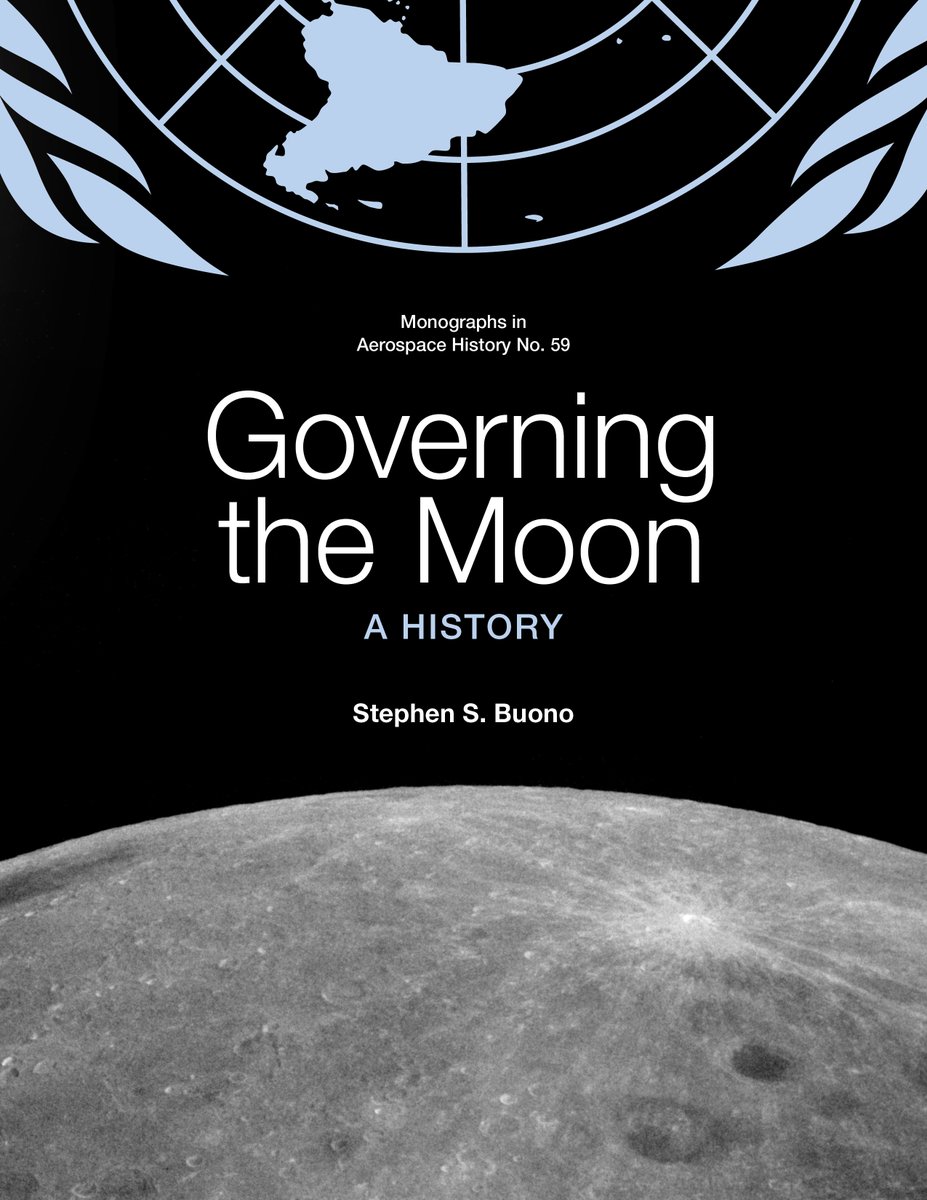
Ever heard of the Moon Treaty? Read the story behind a fascinating episode in space history and law, as nations negotiated over how they might handle human activity on the Moon. Download the free e-book 📖 go.nasa.gov/4jRHPtF

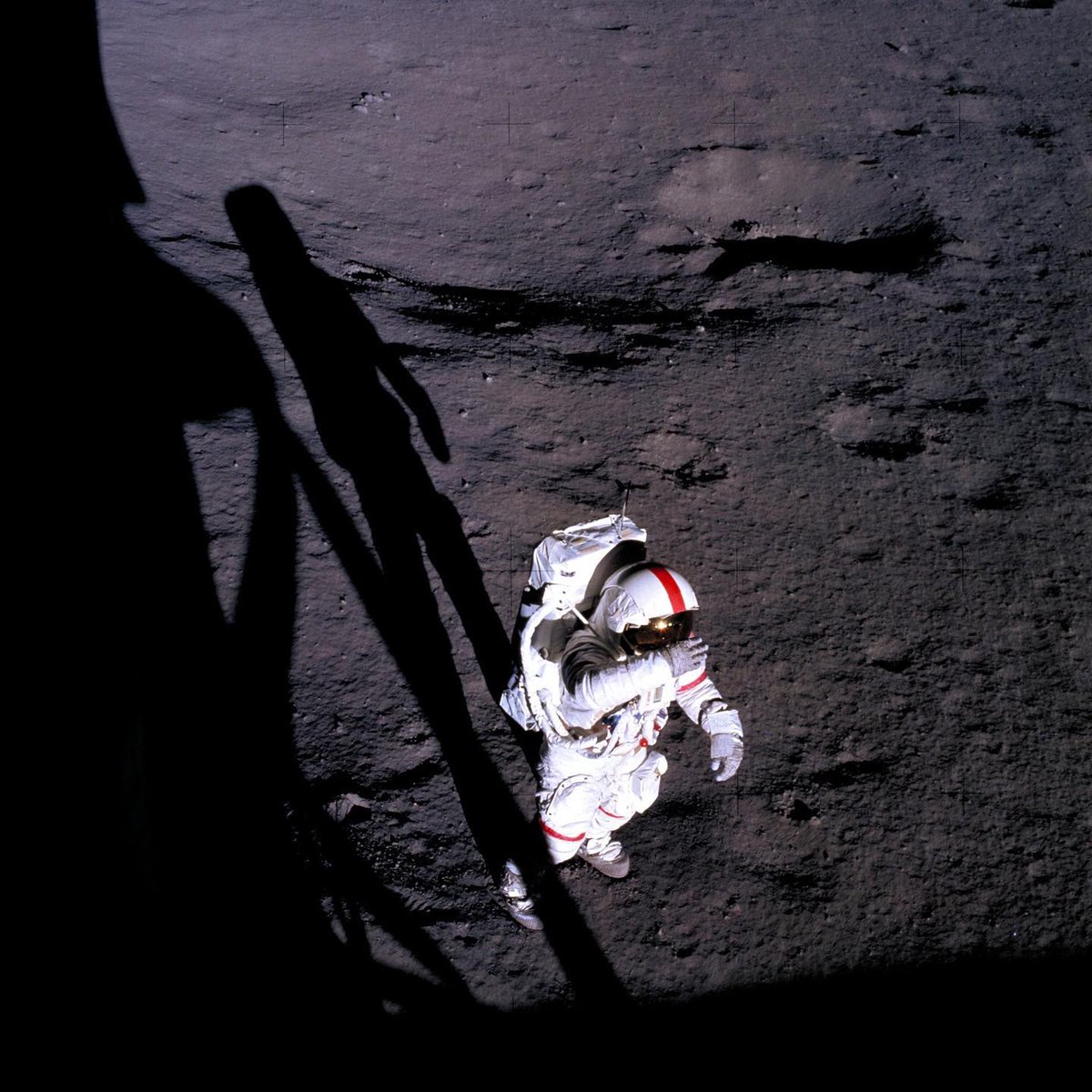
On this week in history in 1971, Apollo 14 commander Alan Shepard took his first steps on the surface of the Moon. It was an incredible next step after becoming the first American in space 10 years earlier. Shepard was the only Mercury astronaut to walk on the Moon.
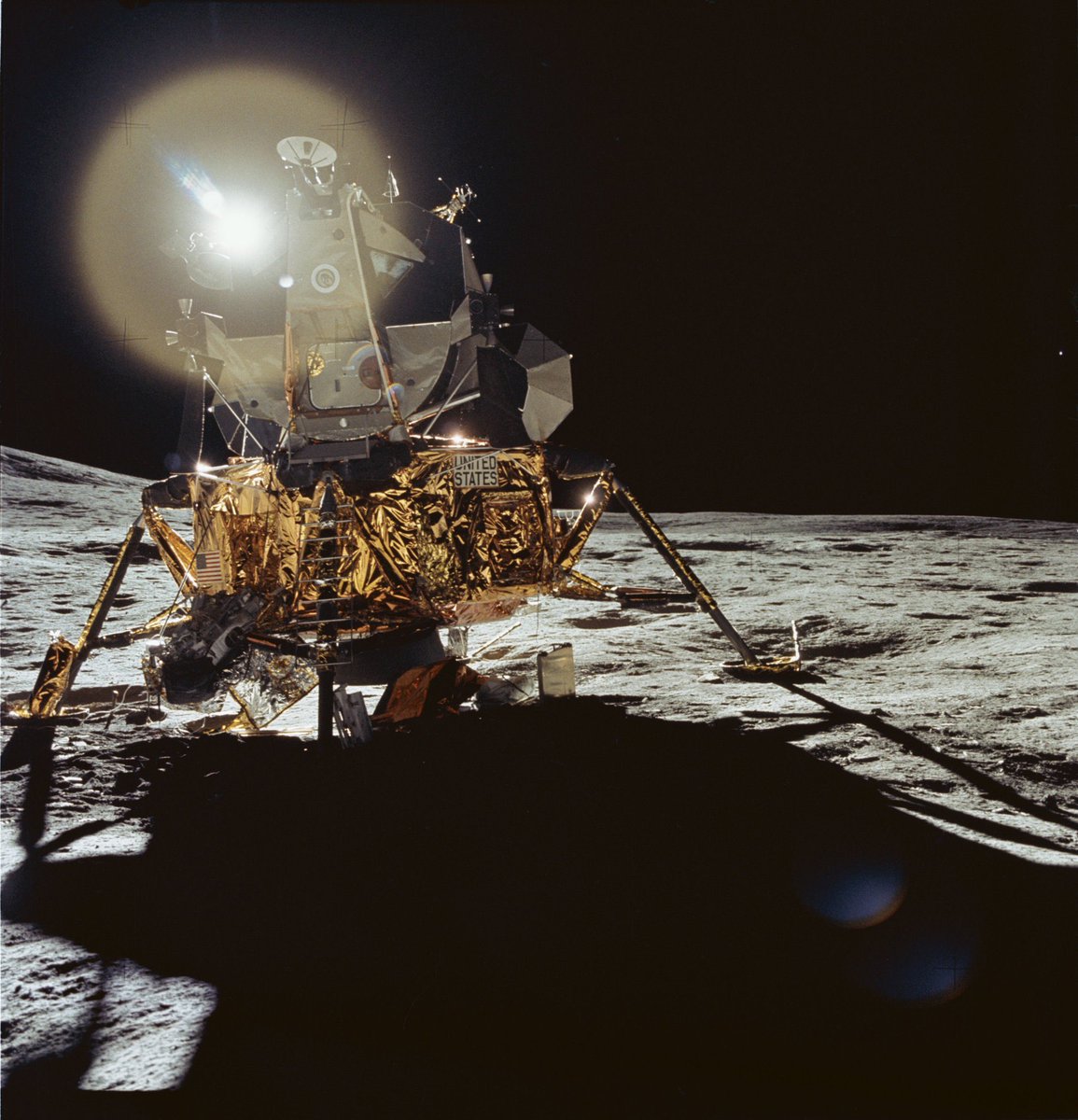
#OTD in 1971, the Apollo 14 lunar module “Antares” landed on the Moon. It landed in the Fra Mauro Highlands—the intended landing site of Apollo 13.
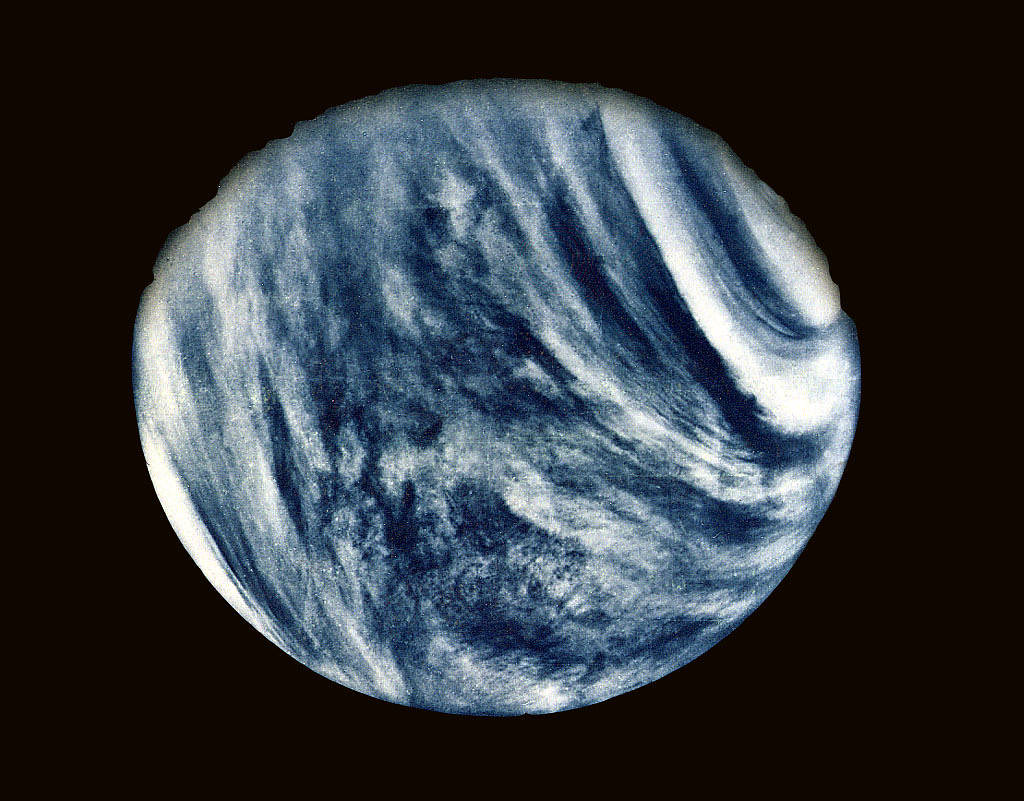
Today in 1974, Mariner 10 reached Venus and returned the first close-up photo of the planet. This image was taken using an ultraviolet filter on Mariner 10's imaging system and is color-enhanced to capture Venus's cloudy atmosphere.
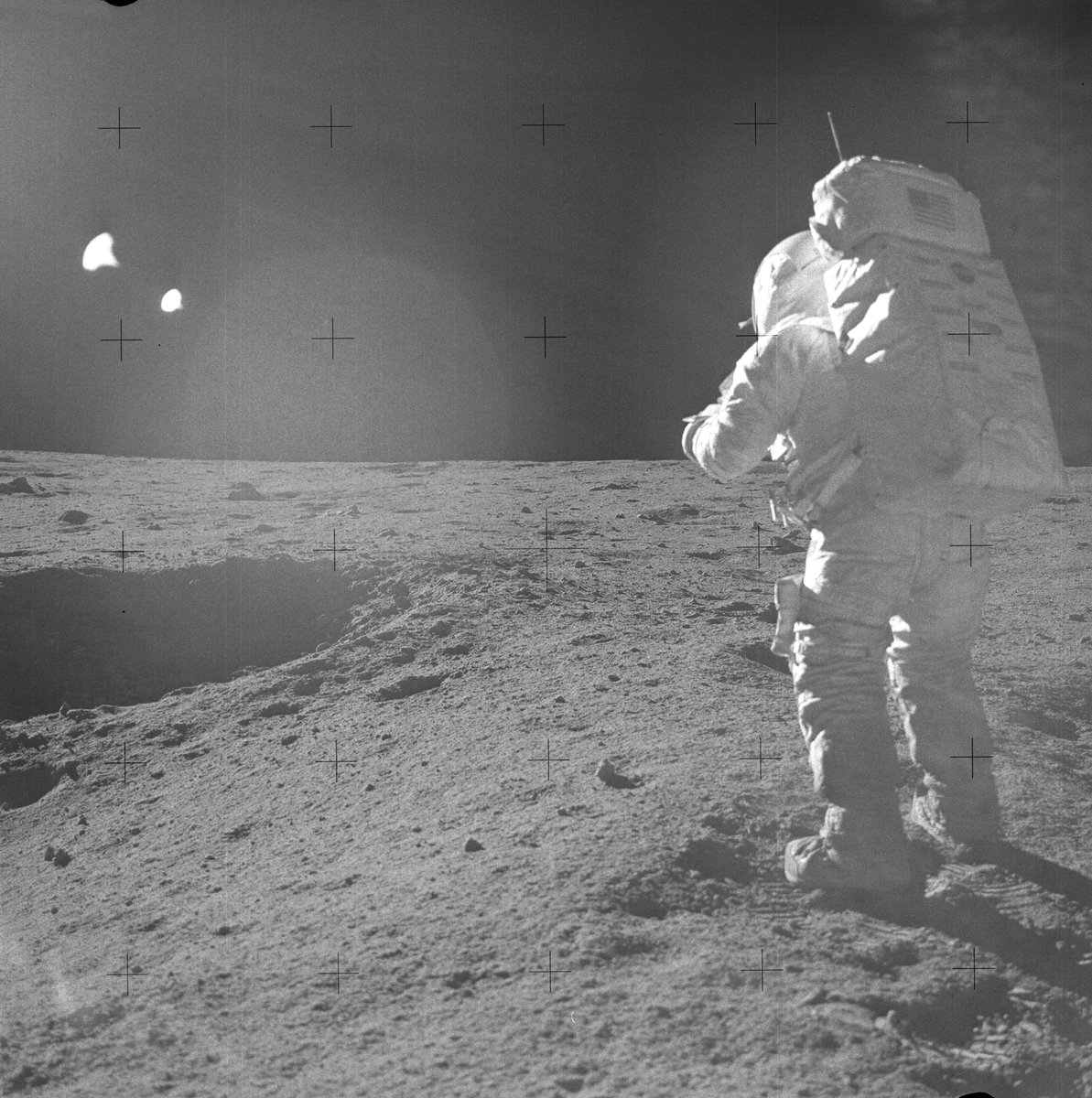
Where no one had gone before Astronauts Alan Shepard and Ed Mitchell landed the Apollo 14 Lunar Module in the Moon's Frau Mauro highlands #OTD in 1971. Six hours later, they set off on their first of 2 moonwalks, becoming the 5th and 6th humans to set foot on the lunar surface.
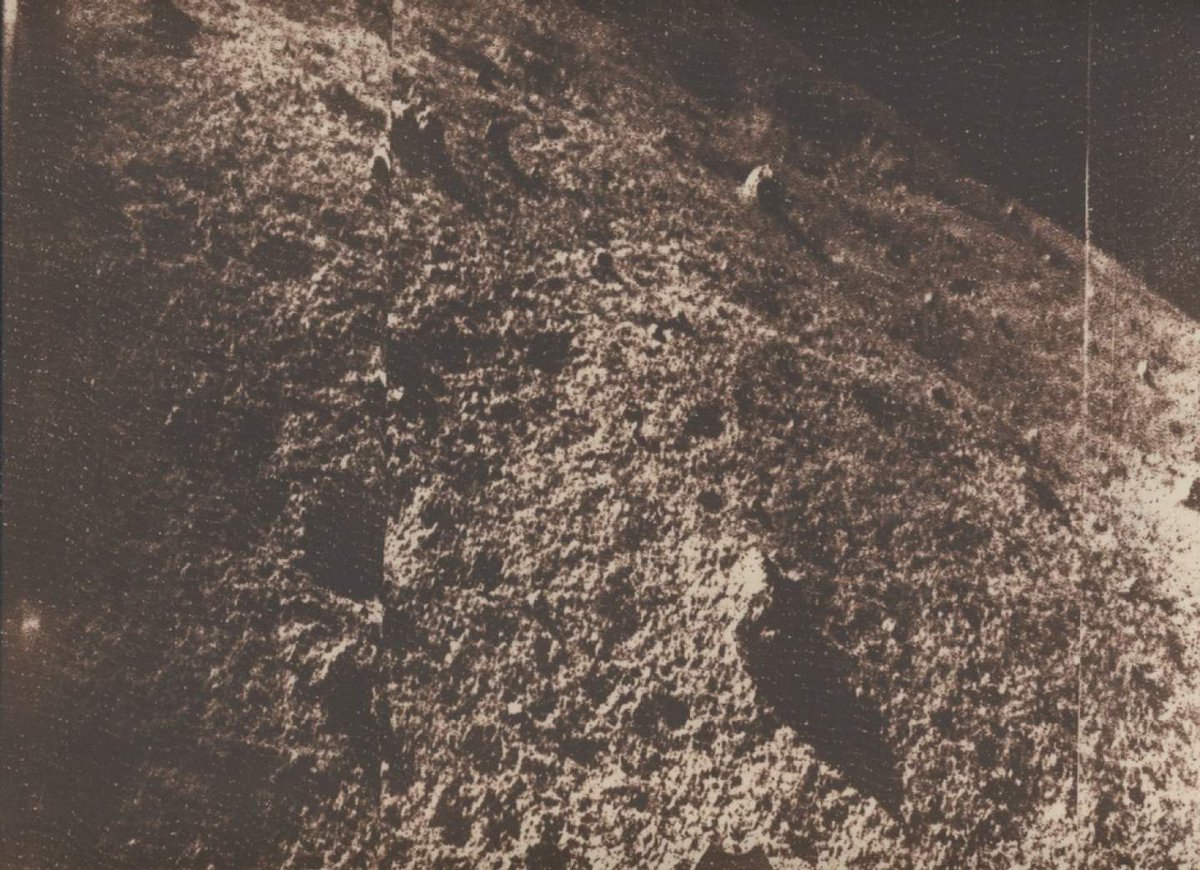
On this day in 1966, Soviet spacecraft Luna 9 sent the first photo from the lunar surface. It was intercepted by astronomers in England, who released it to the press before the USSR did: s.si.edu/2OsoWQH

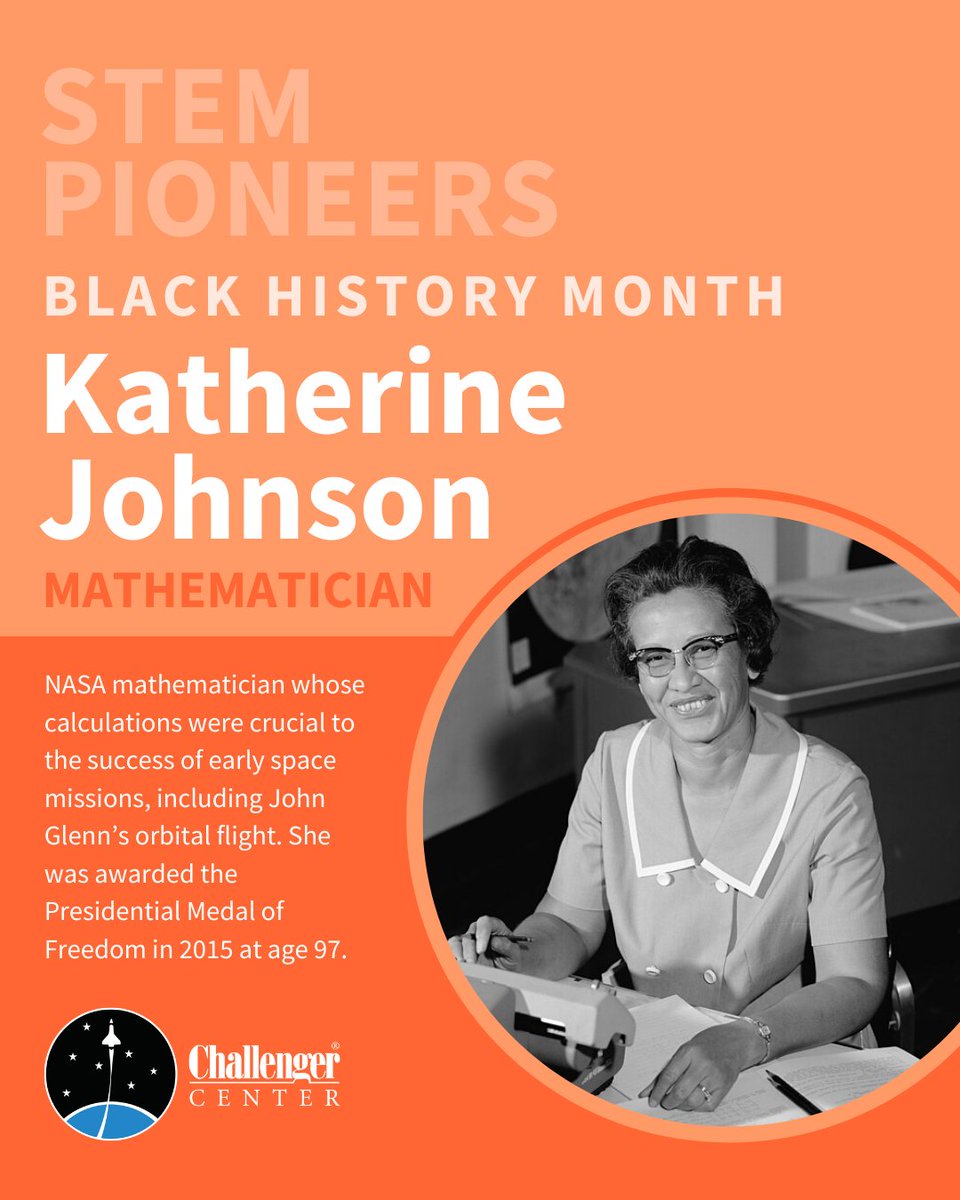
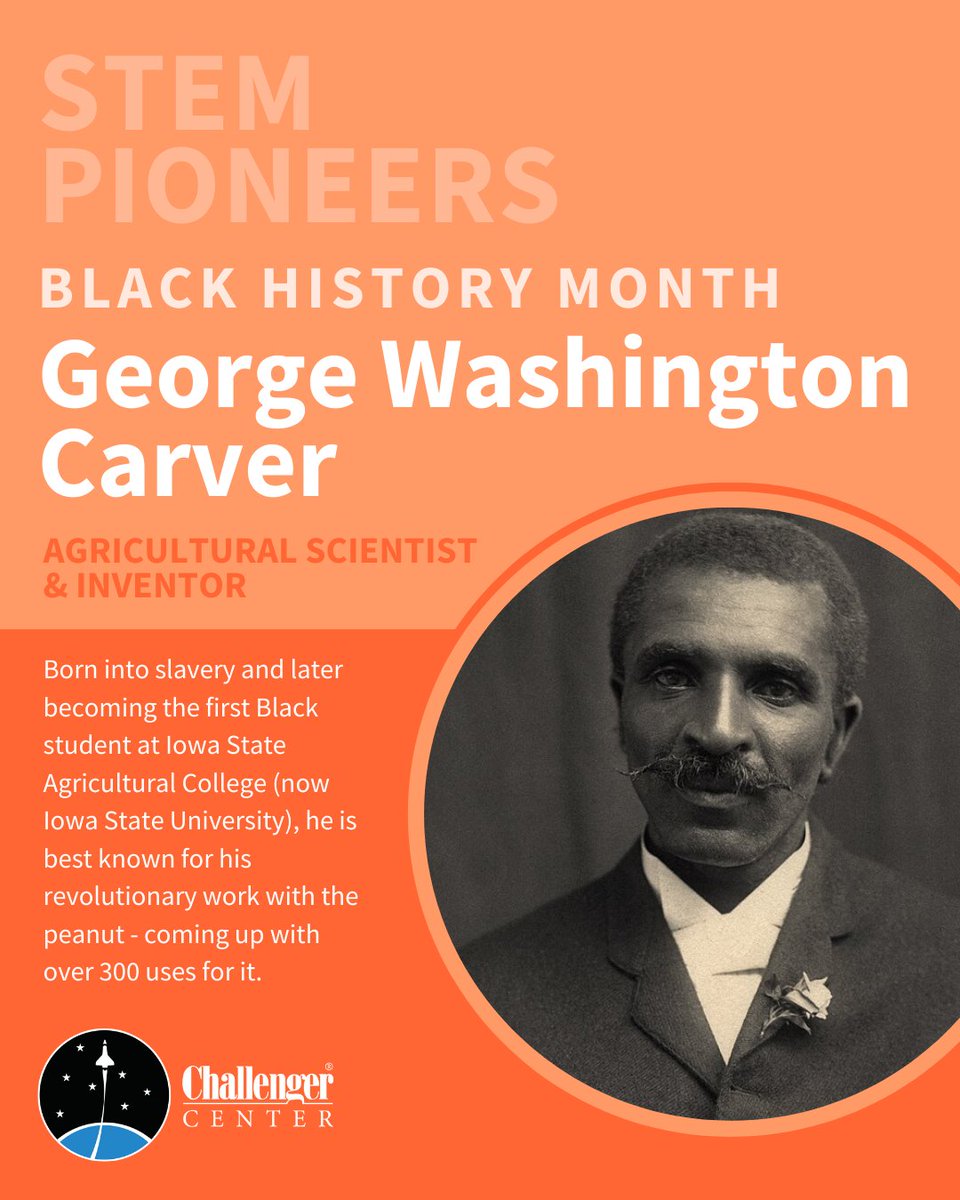
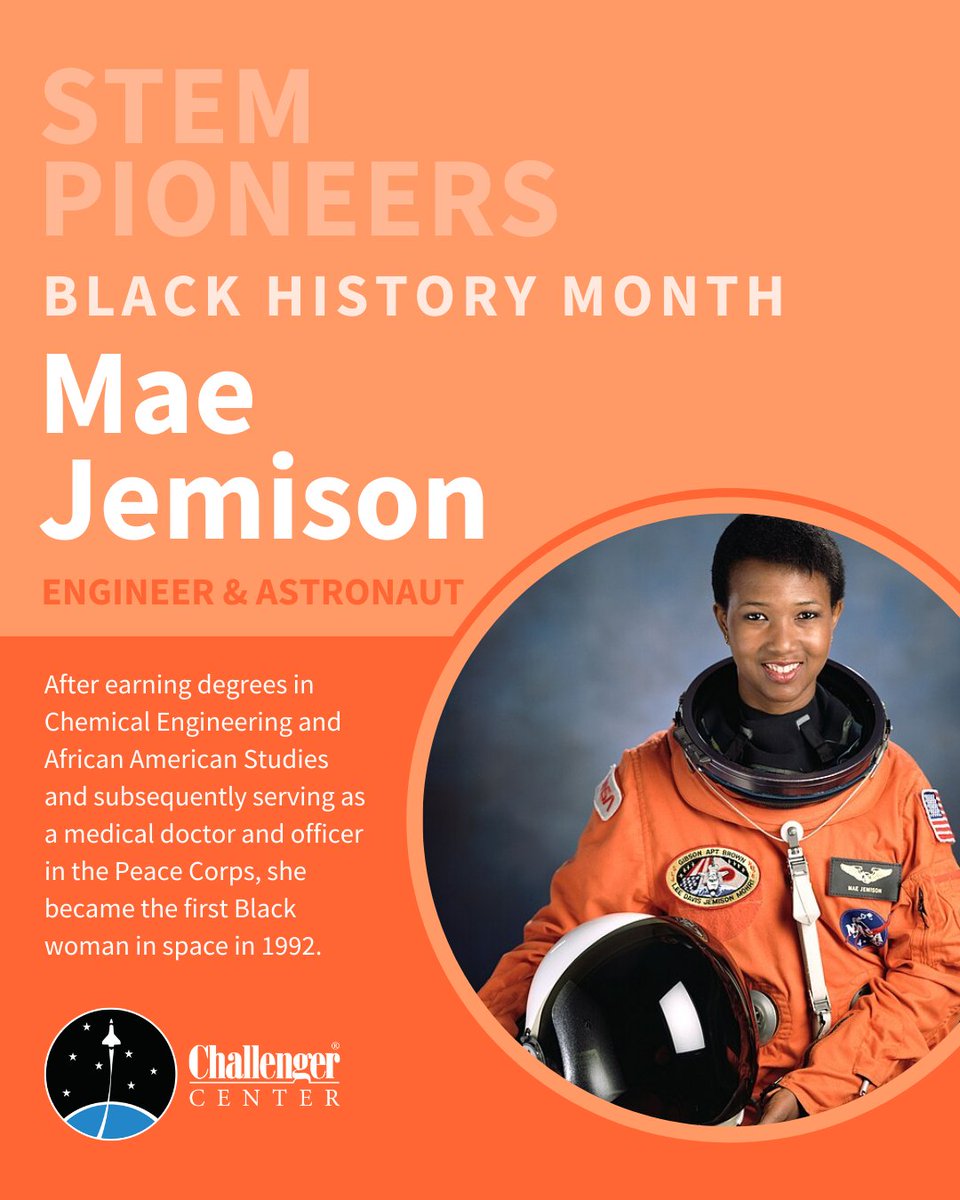
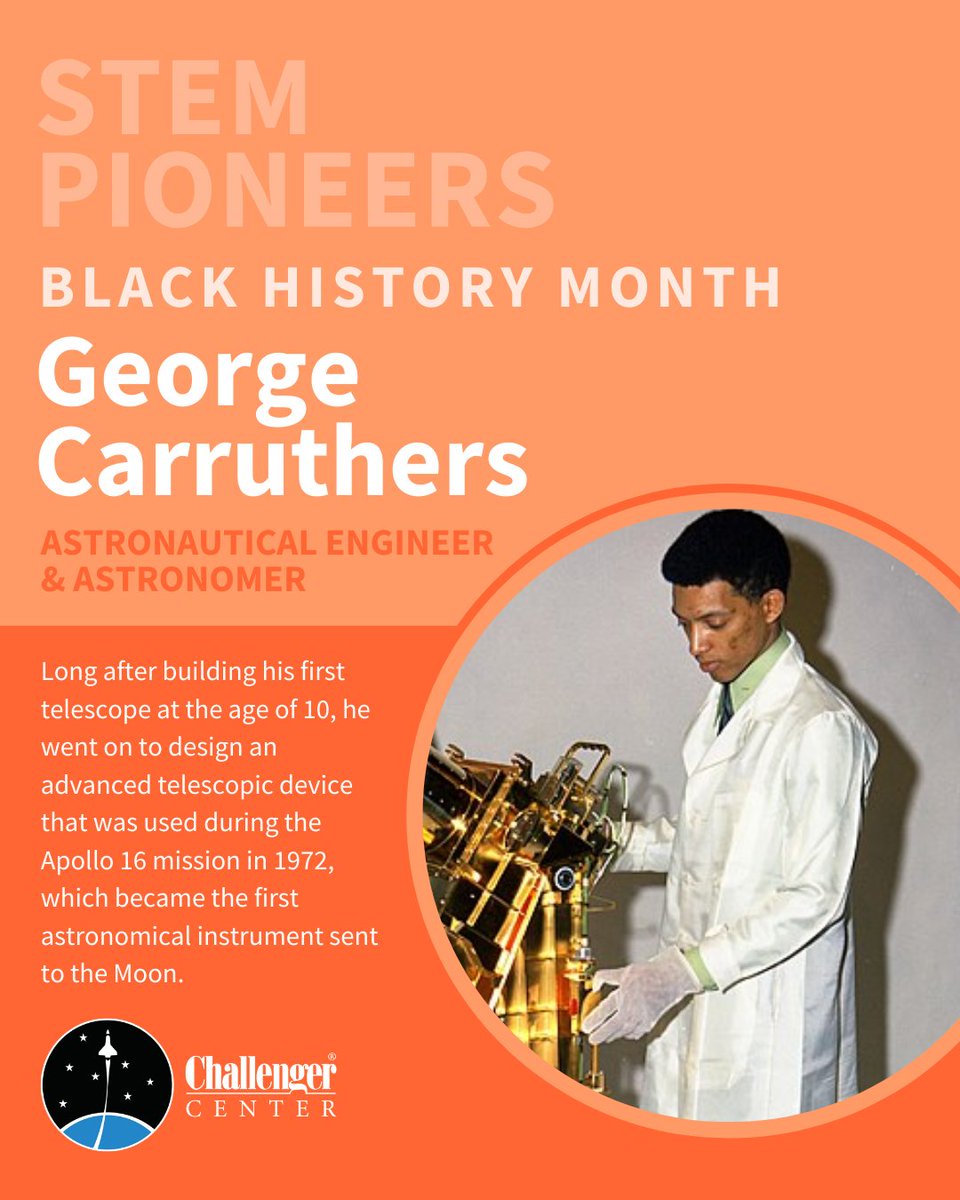
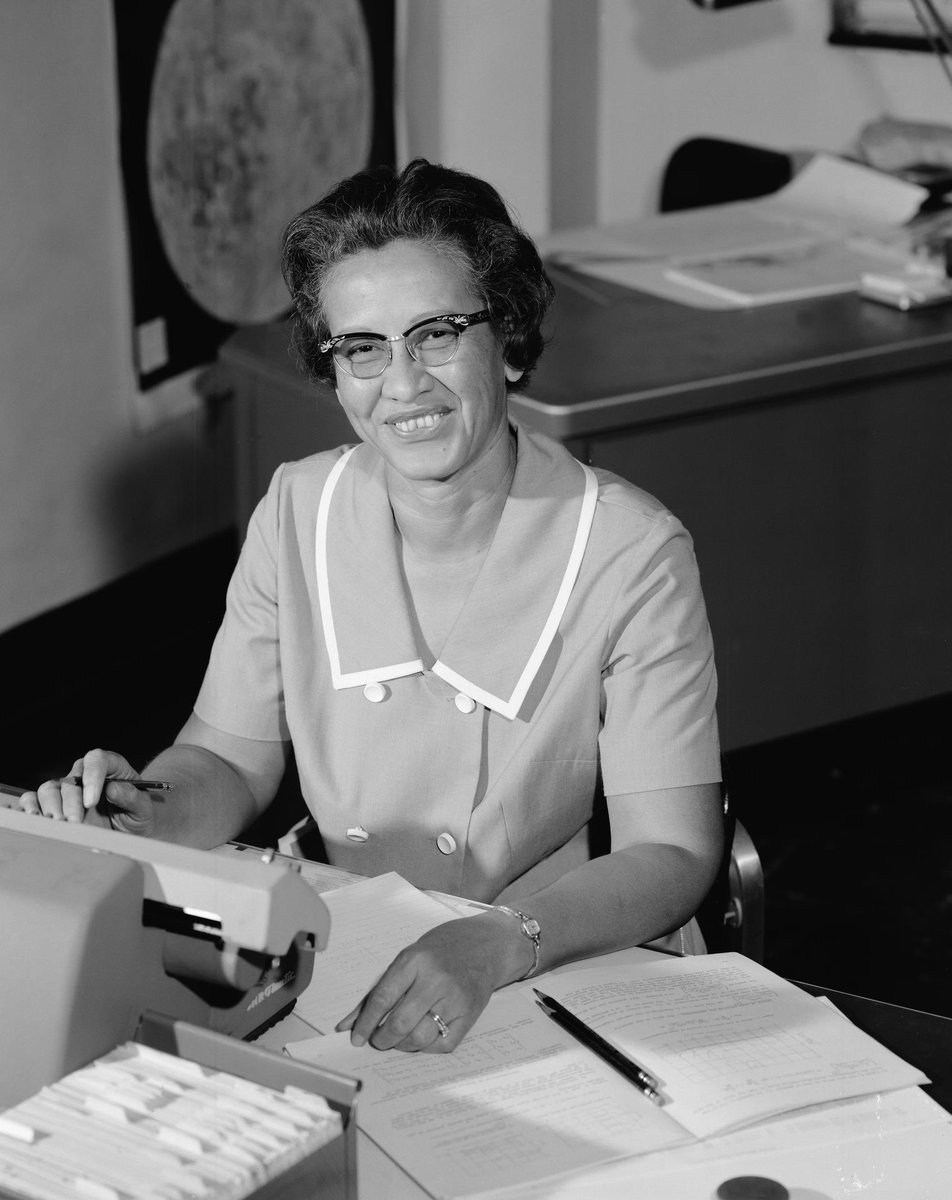
In honor of #BlackHistoryMonth, we're spotlighting just a small fraction of the many Black American #STEM pioneers whose incredible achievements & innovations have benefited humankind: Katherine Johnson📐, George Washington Carver🌱, Mae Jemison👩🚀, and George Carruthers🔭
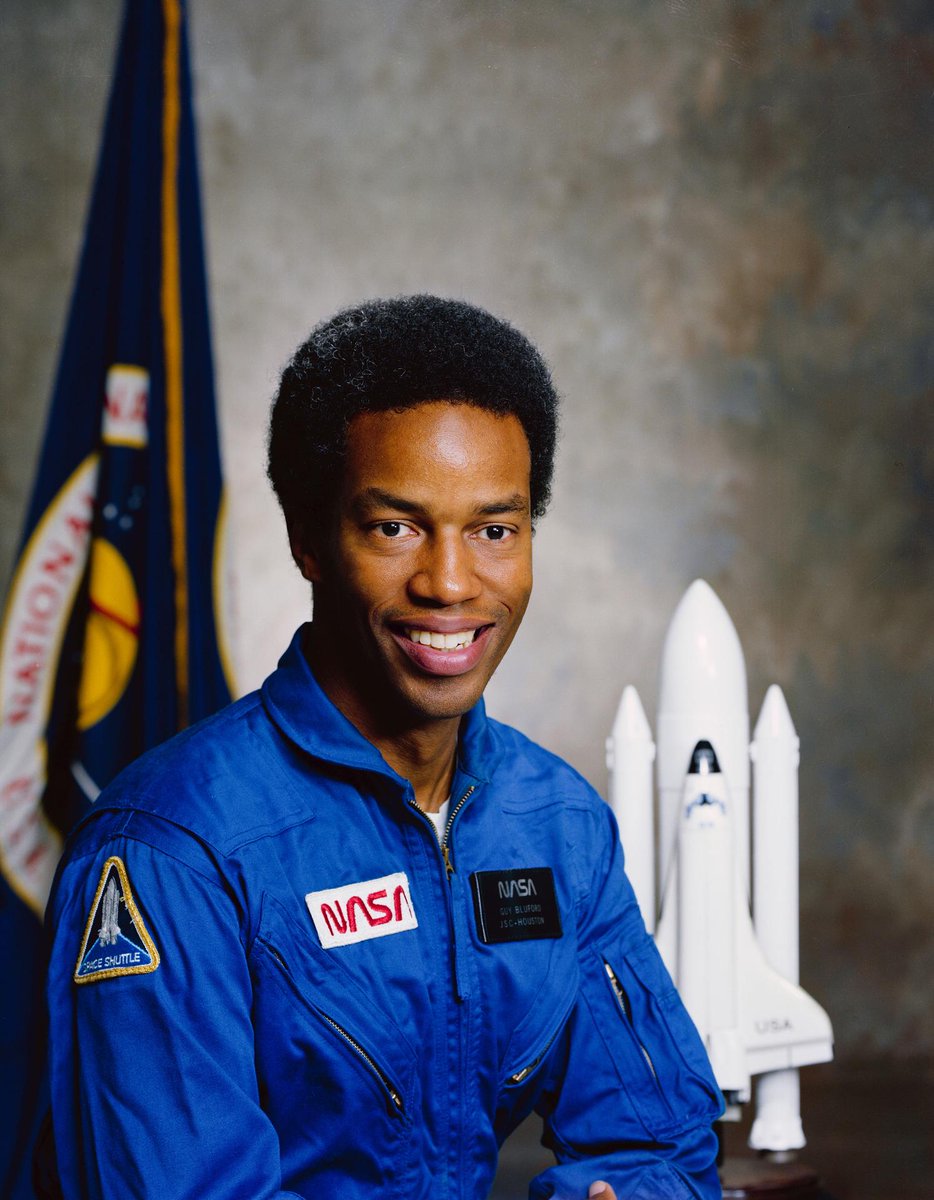
When Guy Bluford launched on STS-8 in 1983, he became the first African American in space. He holds a doctorate in aerospace engineering and flew F-4C fighters for the Air Force in Vietnam. More on Bluford's career: s.si.edu/45RJwze #BlackHistoryMonth
Mathematician Katherine Johnson calculated trajectories for some of NASA's’s most important missions. She made incredible contributions to space history, though they were overlooked for decades. More on her legacy: s.si.edu/3uT0kGM #BlackHistoryMonth
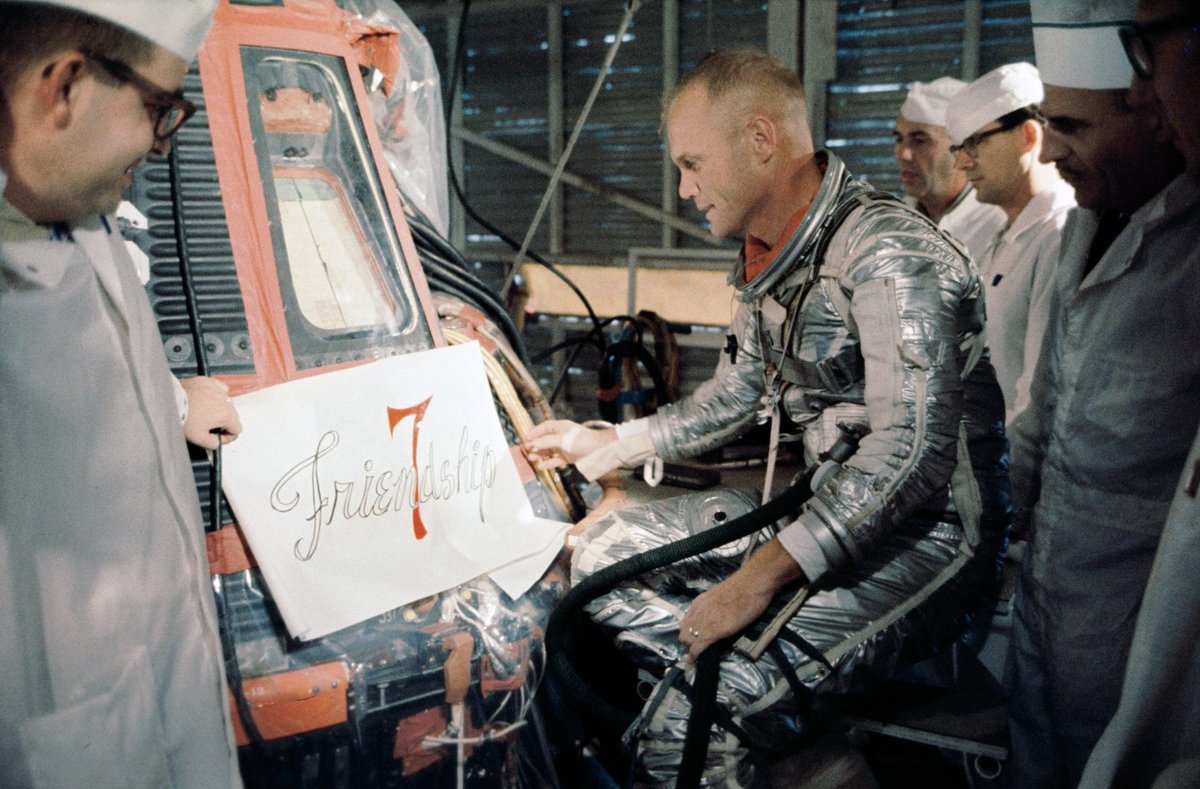
"The more I thought about it, the more I leaned toward the name Friendship. Flying around the world, over all those countries, that was the message I wanted to convey." –Astronaut John Glenn on how he and his family chose the name for his MA-6 spacecraft.
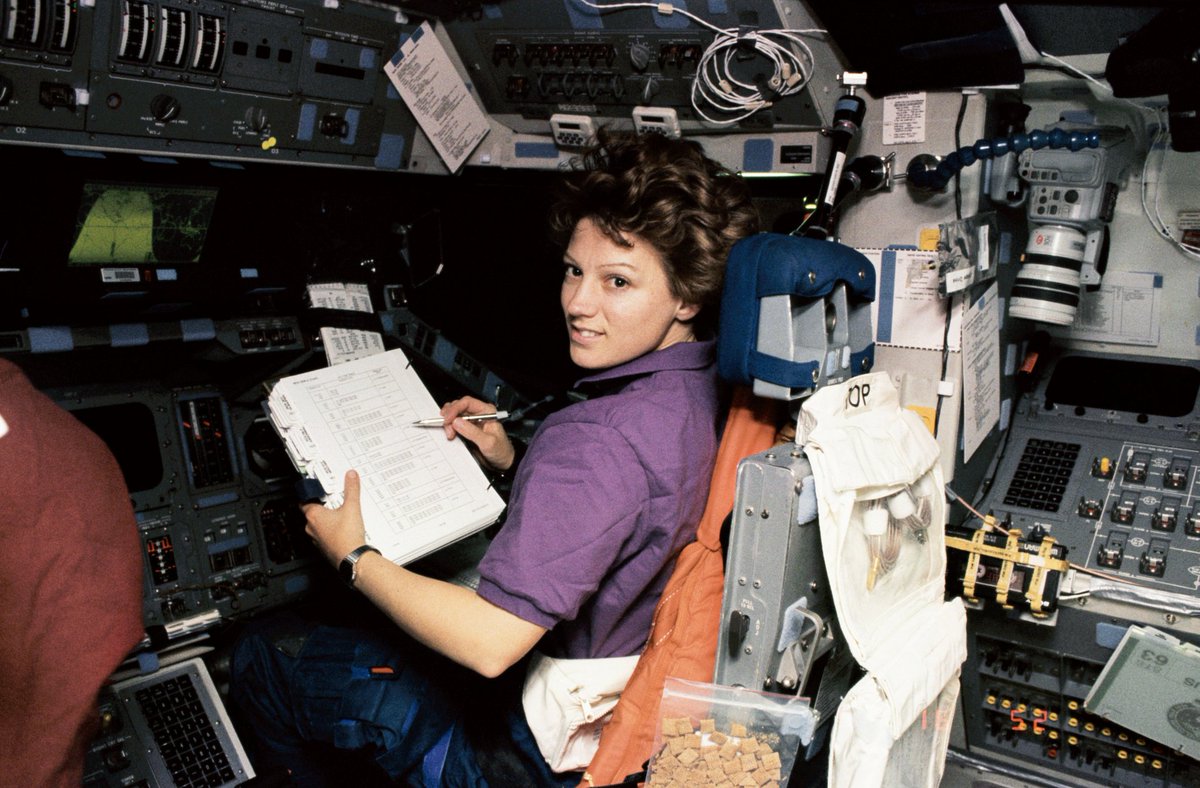
30 years ago today, Eileen Collins became the first woman to pilot the space shuttle, piloting Discovery on its STS-63 mission. She later also became the first woman to command the space shuttle. She reflects on her career in #ASQ: s.si.edu/3SJEOQq
Attached to the high-gain antenna on Mars Exploration Rover Spirit is a memorial plaque to the crew of STS-107. The Columbia disaster occurred as the rover team at JPL was finishing preparations of the rovers and the engineers, mourning the loss of fellow space explorers, wanted…
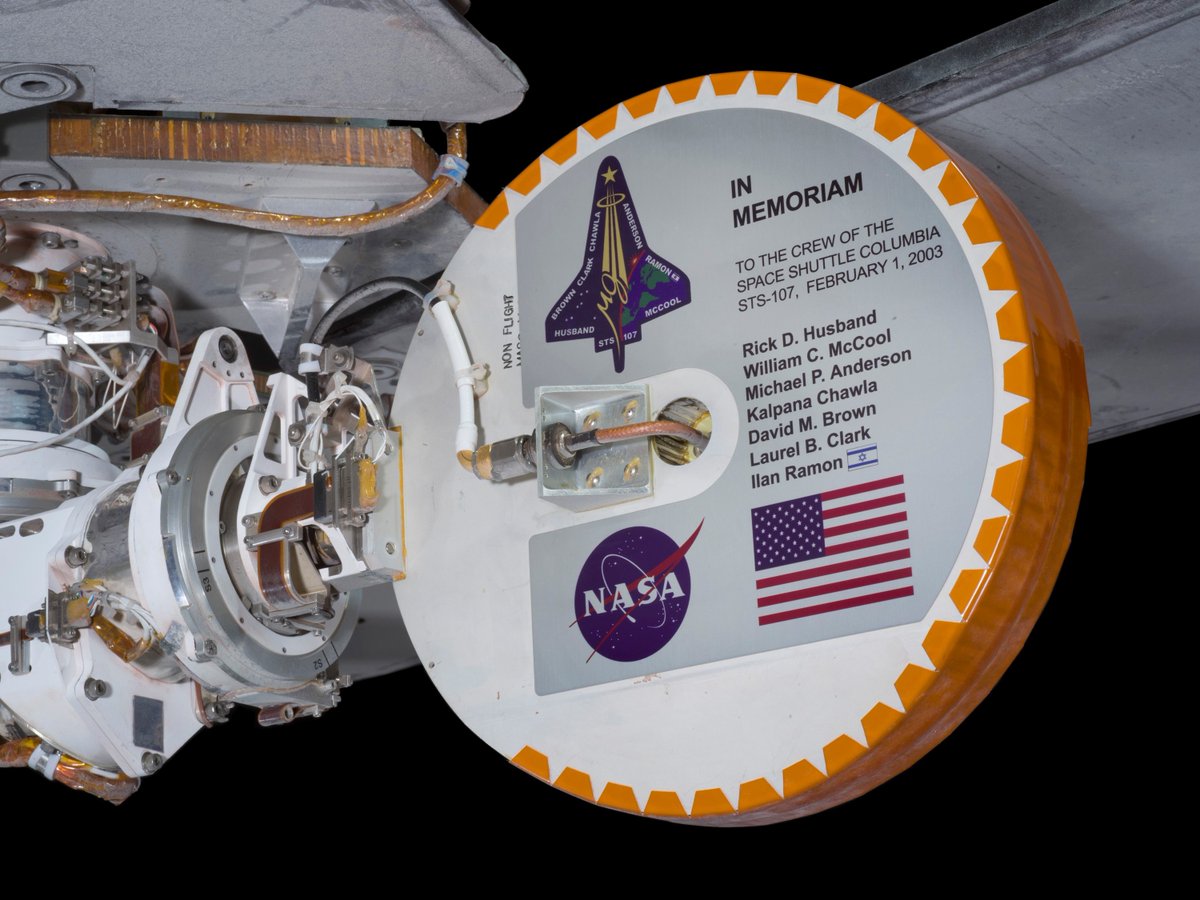

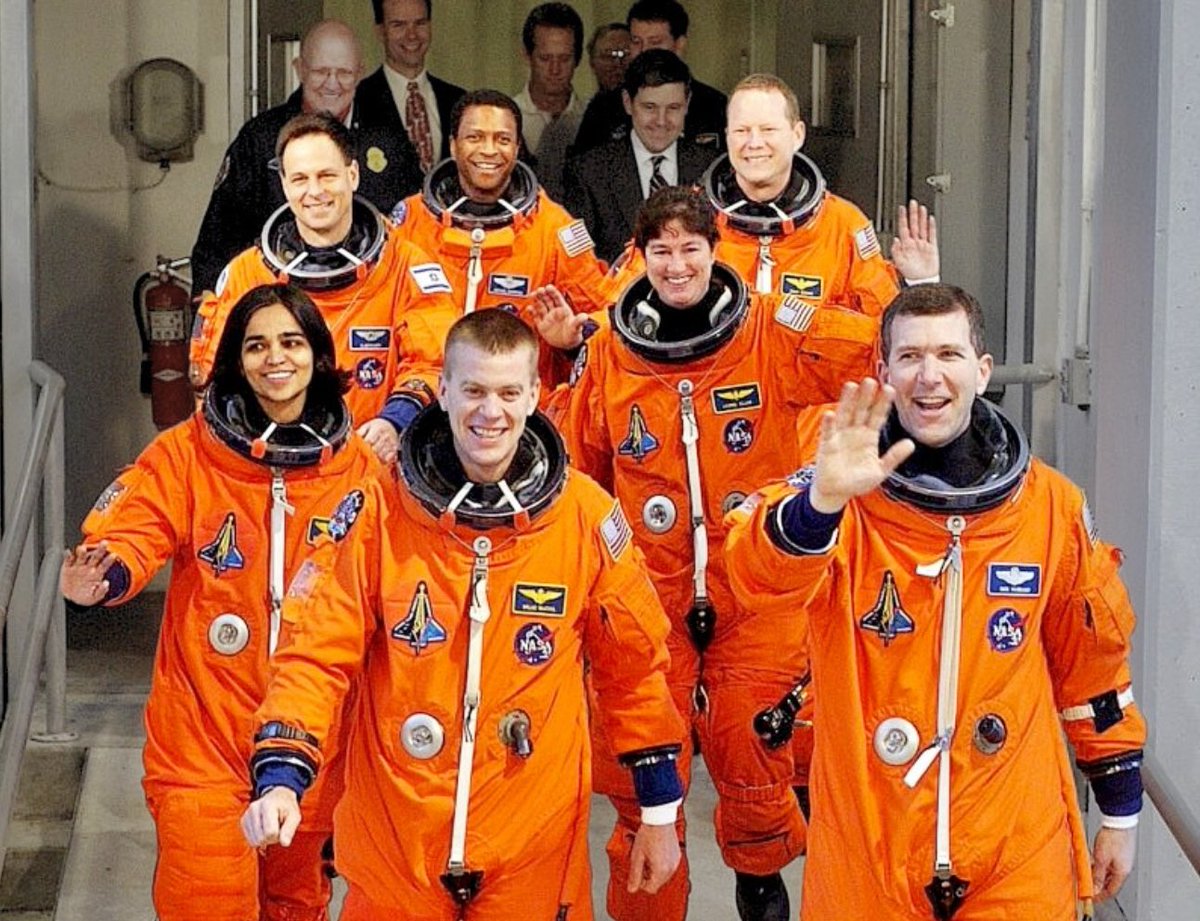
#OnThisDay in 2003, Columbia broke apart during reentry over the skies of Texas, resulting in the loss of all seven crew members of STS-107. Today we honor: - Rick Husband - William McCool - David Brown - Kalpana Chawla - Michael Anderson - Laurel Clark - Ilan Ramon 🇮🇱
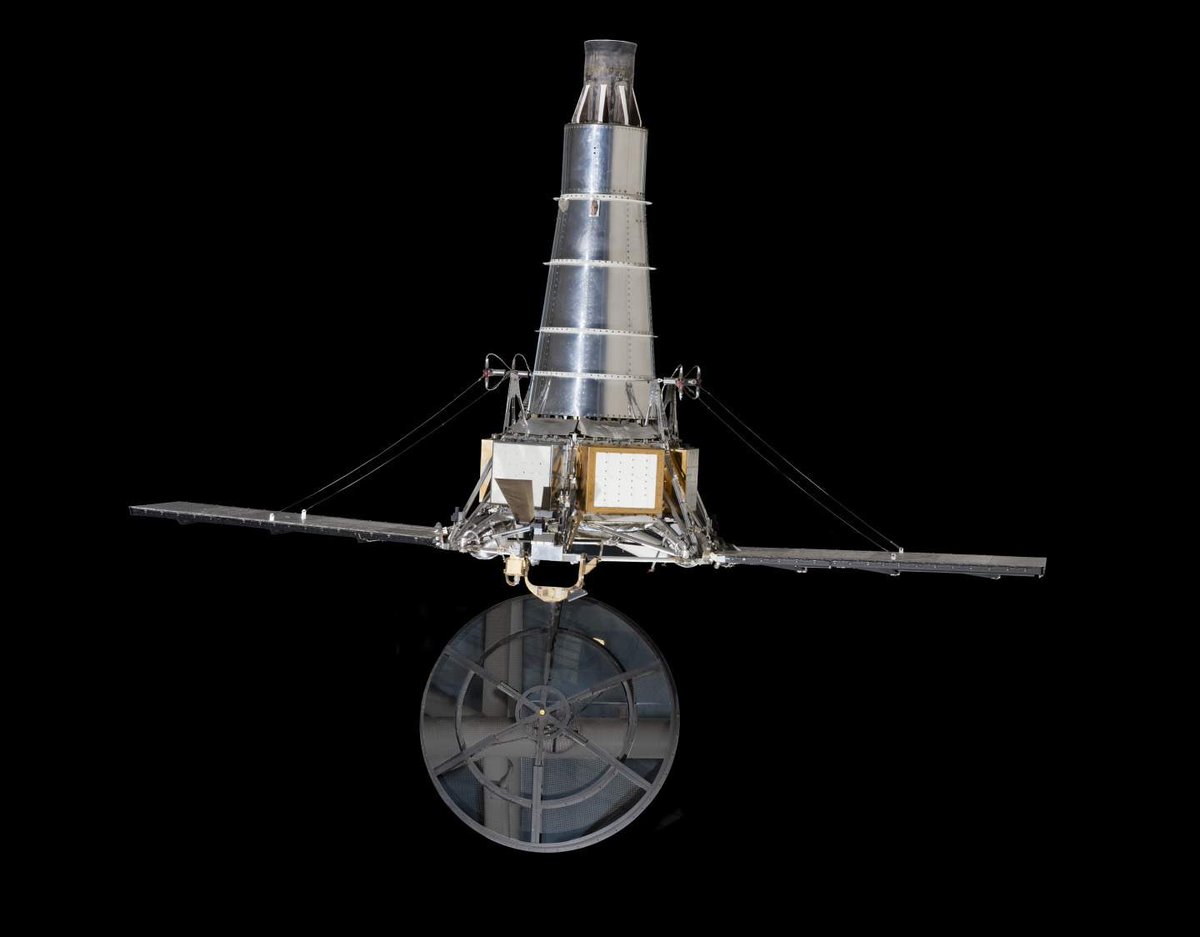
Today in 1964, Ranger 6 launched on a mission to capture TV images of the Moon before crashing into its surface. Impact it did, but the cameras failed. 6 months later, Ranger 7 launched and sent back over 4,000 images of the lunar surface. #AirSpacePhoto
105 years ago today, President Woodrow Wilson appointed Orville Wright to the National Advisory Committee for Aeronautics (NACA). NASA’s work in space travel and exploration would not have been possible without the aeronautics-focused work of the NACA.

In many ways, the crew of STS-51L represented a cross section of the American population, with each crew member hailing from diverse walks of life. We reflect on their stories in "Remembering the Challenger Seven": s.si.edu/4jP63Vt

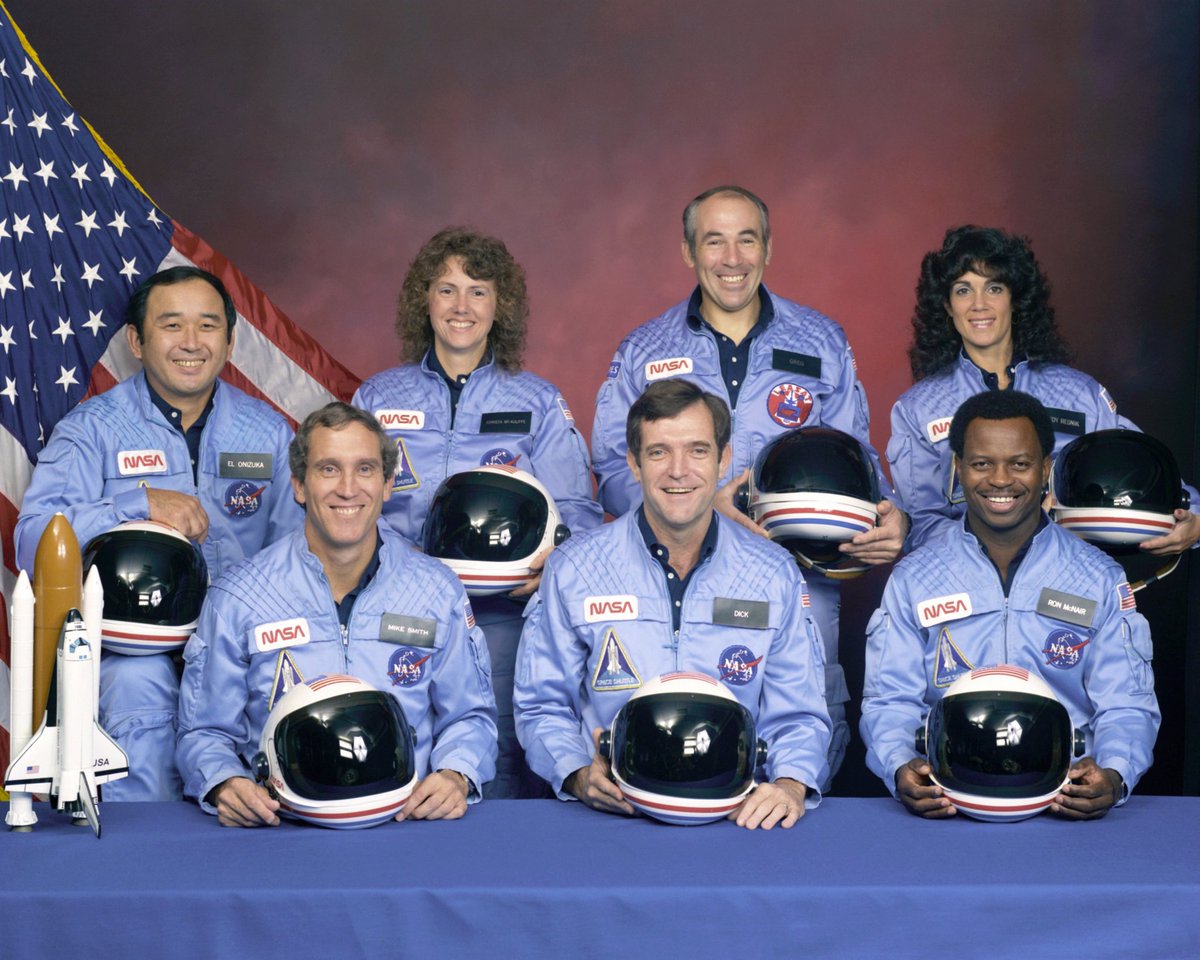
Remembering the crew of STS-51L: Ellison Onizuka, Christa McAuliffe, Greg Jarvis, Judith Resnik, Mike Smith, Dick Scobee, and Ron McNair. On #TDIH in 1986, the launch of STS-51L ended in tragedy when Space Shuttle Challenger and crew were lost 73 seconds after liftoff.
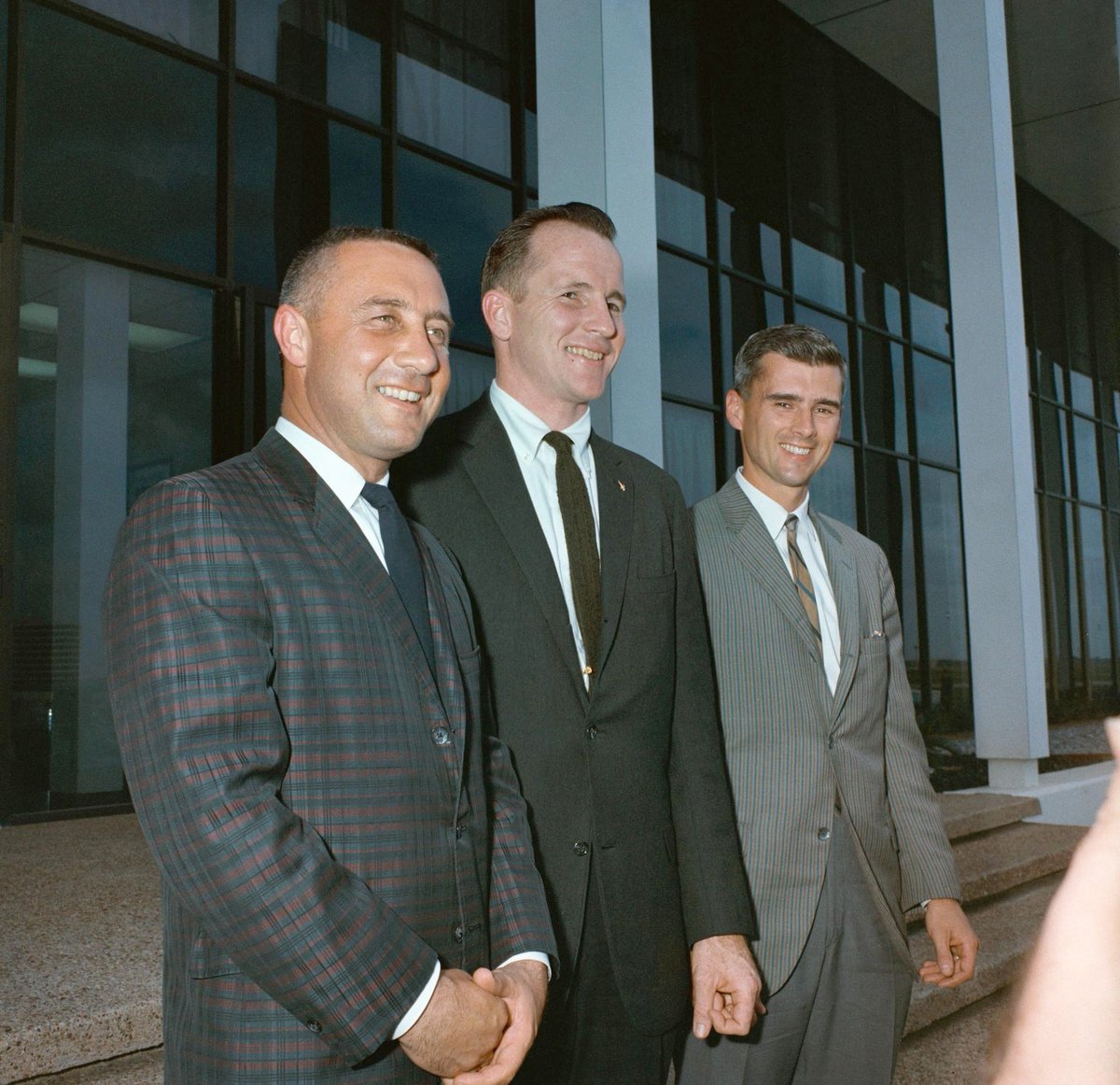
#OTD in 1967, the NASA family was gripped with heart-wrenching tragedy. At 6:31 pm EST, during a pre-launch test, the first Apollo crew—Gus Grissom, Ed White, and Roger Chaffee—were killed when fire broke out in the Apollo Command Module. #NASARemembers
Remembering the crew of STS-51L (Challenger) who were lost on this day in 1986, 73 seconds after launch. Scobee Smith McNair Onizuka Jarvis Resnik McAuliffe We will never forget the lessons learned at such a high cost.

58 years ago today, we tragically lost the Apollo 1 crew. Today, and every day, we remember and honor the lives of Astronauts Virgil I. “Gus” Grissom, Edward H. White, and Roger B. Chaffee.


























































United States Trends
- 1. Jaylon Tyson N/A
- 2. #DragRace N/A
- 3. #SmackDown N/A
- 4. #OPLive N/A
- 5. Cavs N/A
- 6. Sixers N/A
- 7. Darryn Peterson N/A
- 8. Embiid N/A
- 9. #LetEmKnow N/A
- 10. #JustinStrong N/A
- 11. Maxey N/A
- 12. Chelsea Gray N/A
- 13. Duke N/A
- 14. Mobley N/A
- 15. Mandy Mango N/A
- 16. 76ers N/A
- 17. Nick Nurse N/A
- 18. Jay Huff N/A
- 19. Briar N/A
- 20. Jordan Oliver N/A




Something went wrong.
Something went wrong.