

You might like



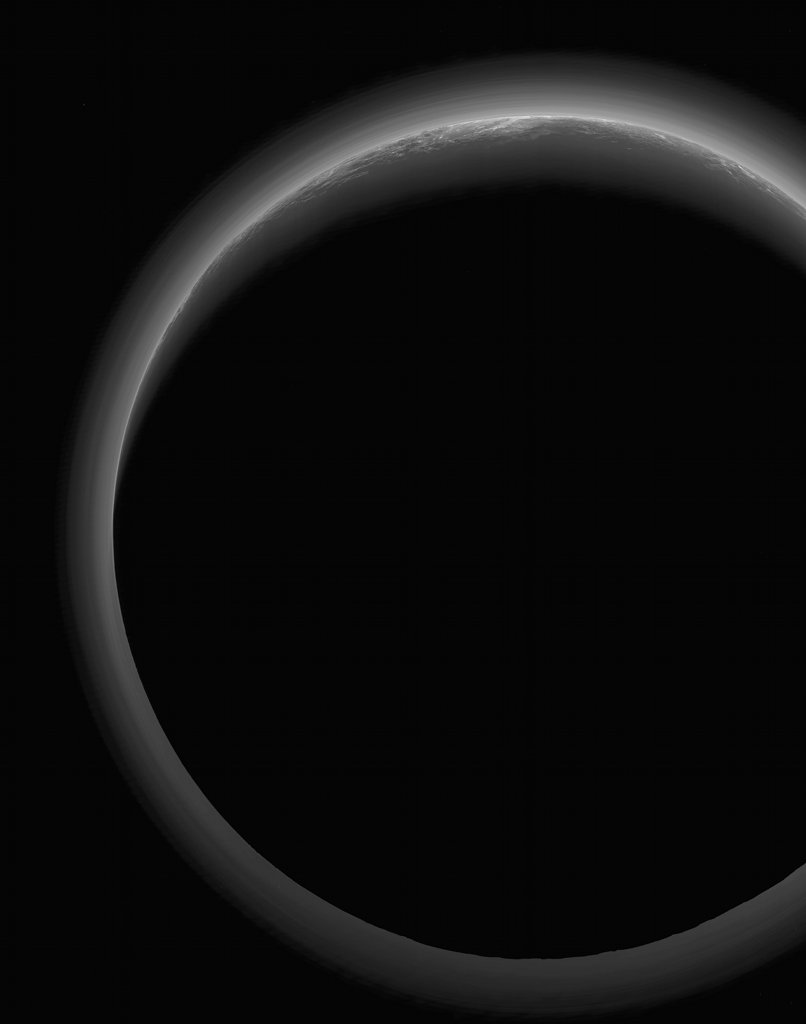
The night side of Pluto spans this shadowy scene. In the stunning spacebased perspective the Sun is 4.9 billion kilometers (almost 4.5 light-hours) behind the dim and distant world. It was captured by far flung New Horizons in July of 2015 when the spacecraft was at a range of
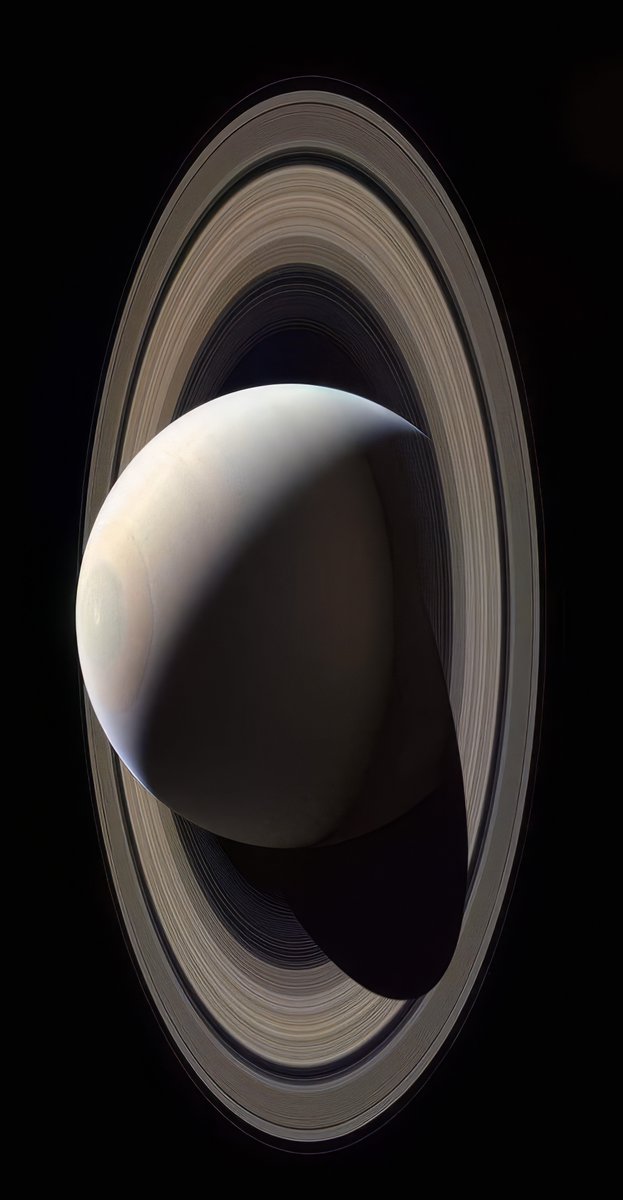
A breathtaking view of Saturn captured by NASA’s Cassini spacecraft! 😍
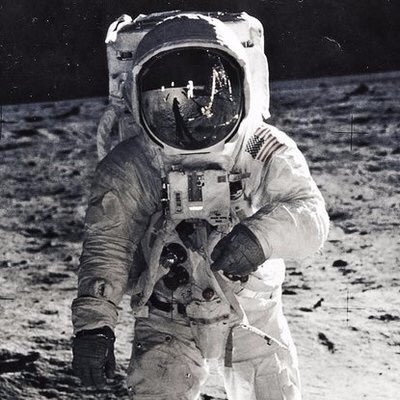
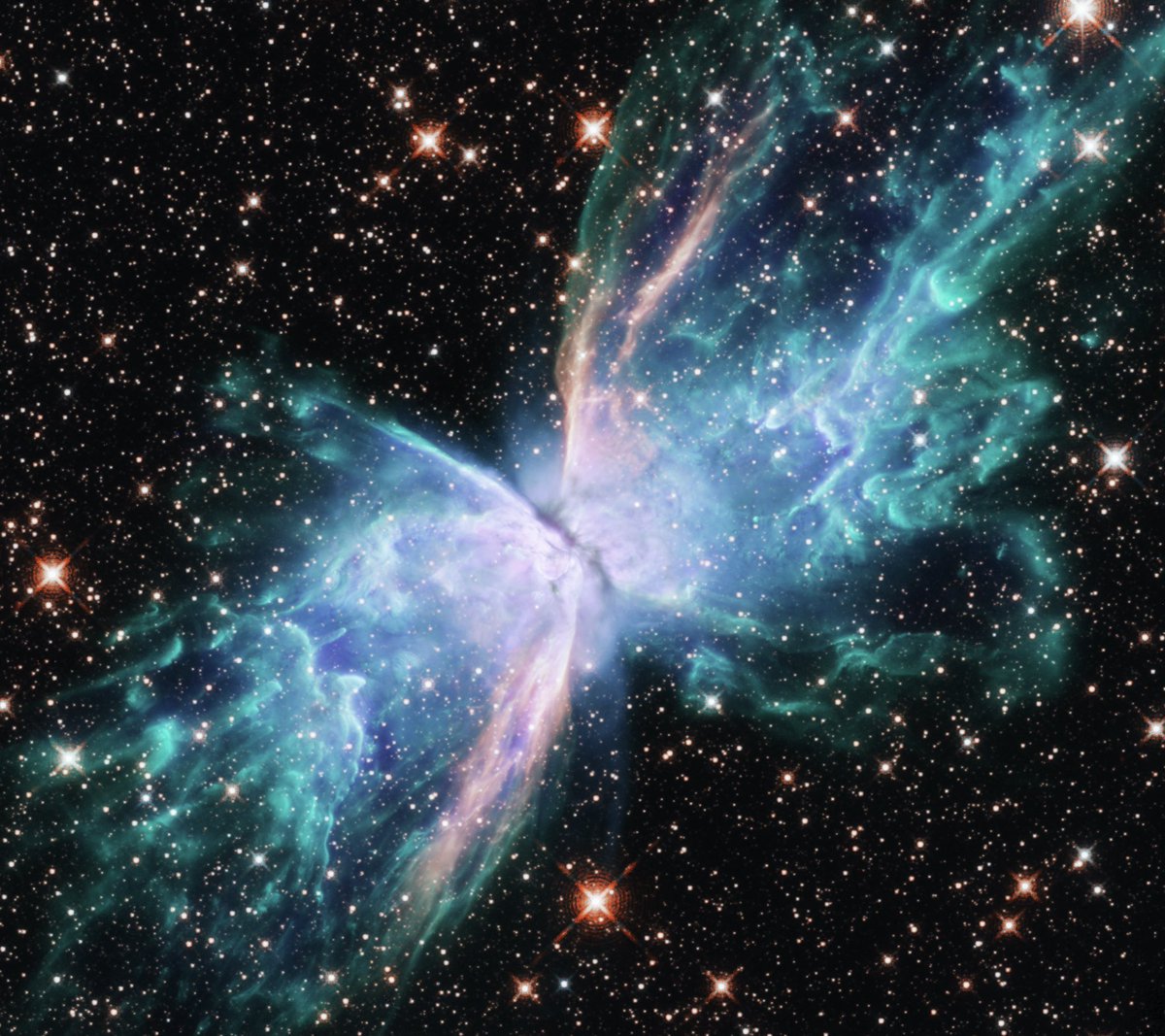
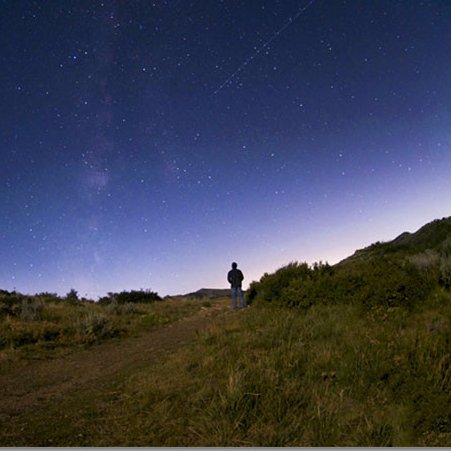
Did you know? The Earth's magnetic field deflects a huge amount of solar material. Each second, 1.5 million tons of solar material shoot off of the Sun, traveling at hundreds of miles per second. [📹 NASA]
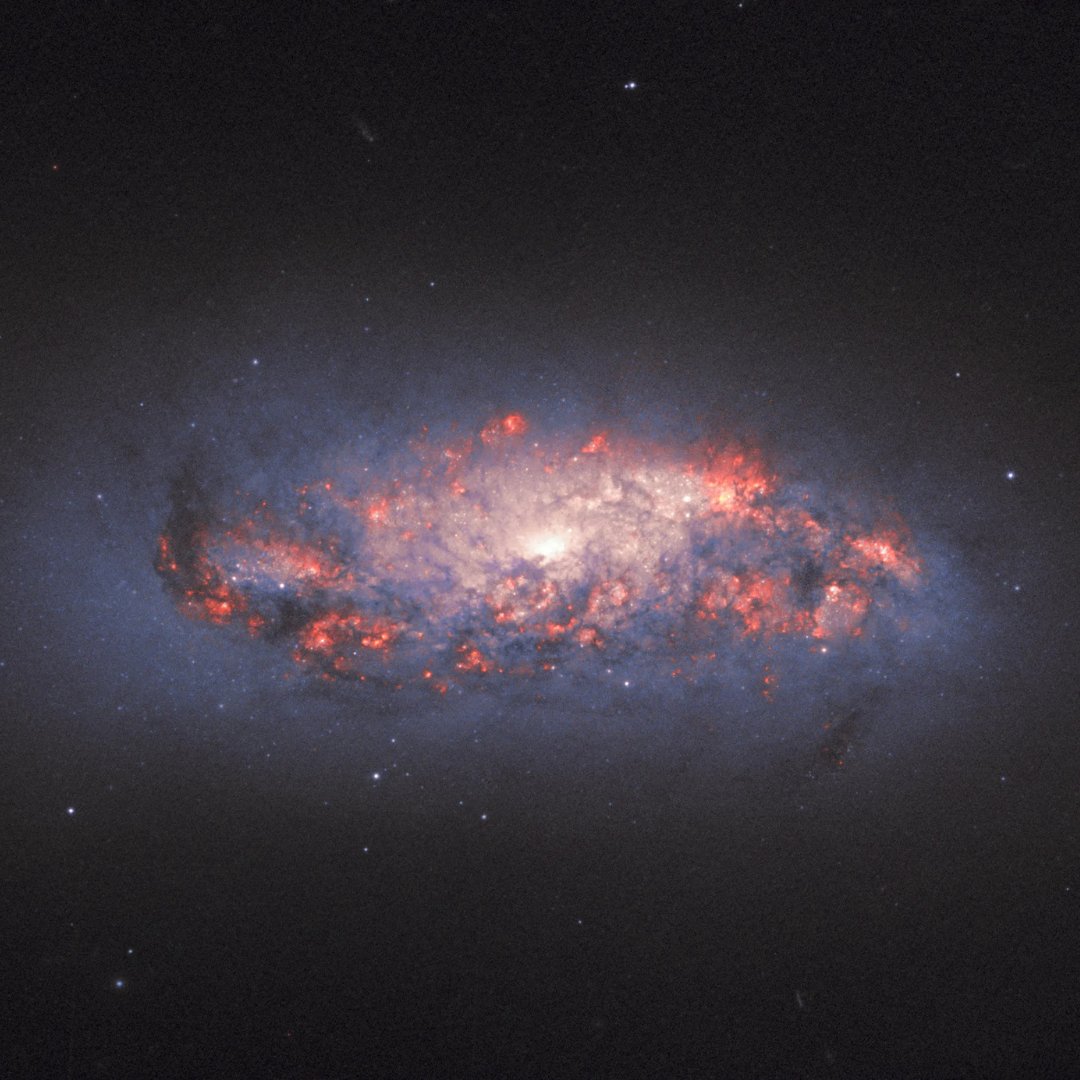
Stars in bloom 🌹 Bright, colorful patches of star formation unfurl like red roses in this #HubbleClassic image. Known as NGC 972, this spiral galaxy is just under 70 million light-years away from us. Discover more: go.nasa.gov/4ejzYRo
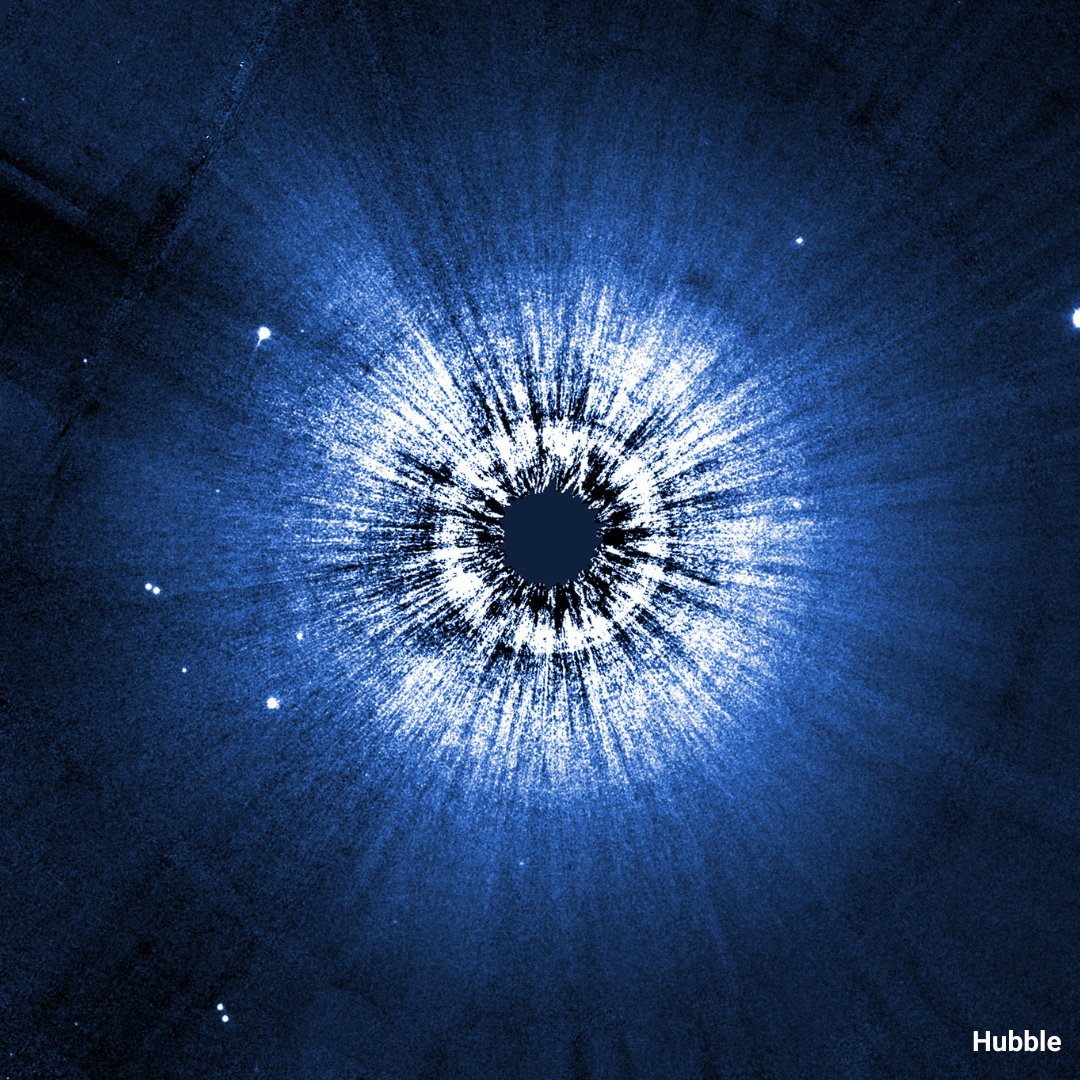
A nearly 100-billion-mile-diameter debris disk encircles the star Vega. Astronomers have long assumed this was a disk of planet-forming material, but new observations with Hubble and @NASAWebb offer a different verdict. "The Vega disk is smooth, ridiculously smooth."

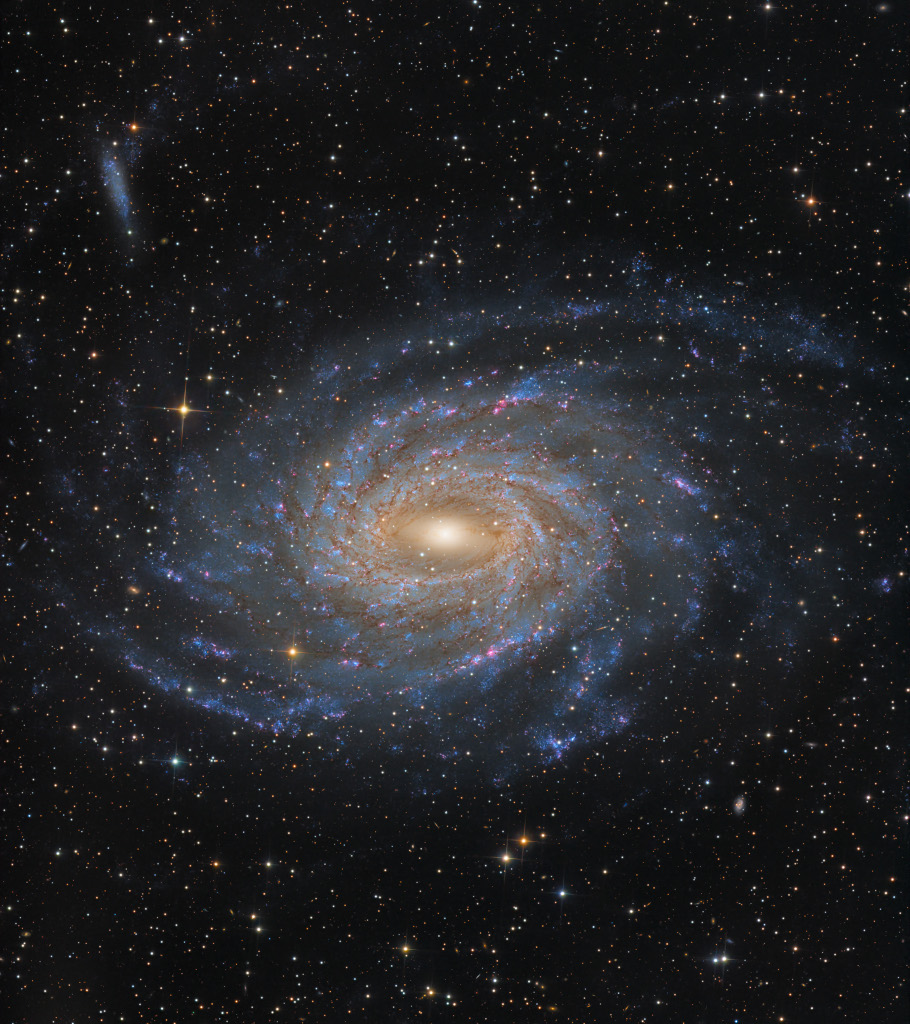
Big, beautiful spiral galaxy NGC 6744 is nearly 175,000 light-years across, larger than our own Milky Way. It lies some 30 million light-years distant in the southern constellation Pavo but appears as only a faint smudge in the eyepiece of a small telescope. We see the disk of
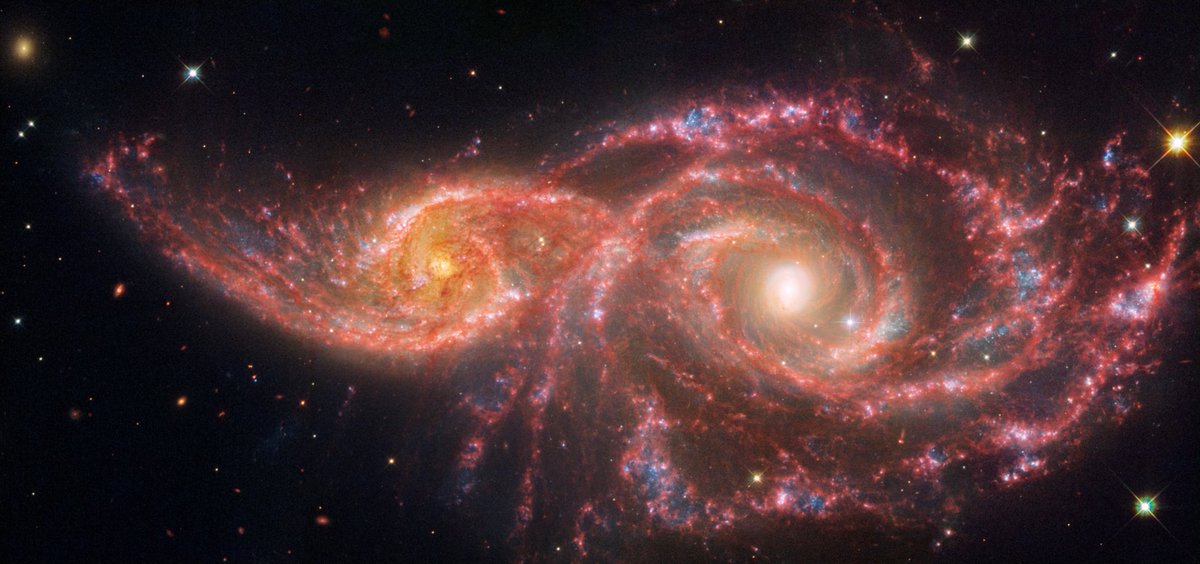
It’s behind me… isn’t it? 👀 Happy Halloween from Hubble and @NASAWebb! This joint image shows a pair of "eyes" that are really the cores of two galaxies. The colors come from Webb's infrared data combined with visible and ultraviolet light from Hubble: go.nasa.gov/3NKwD2S
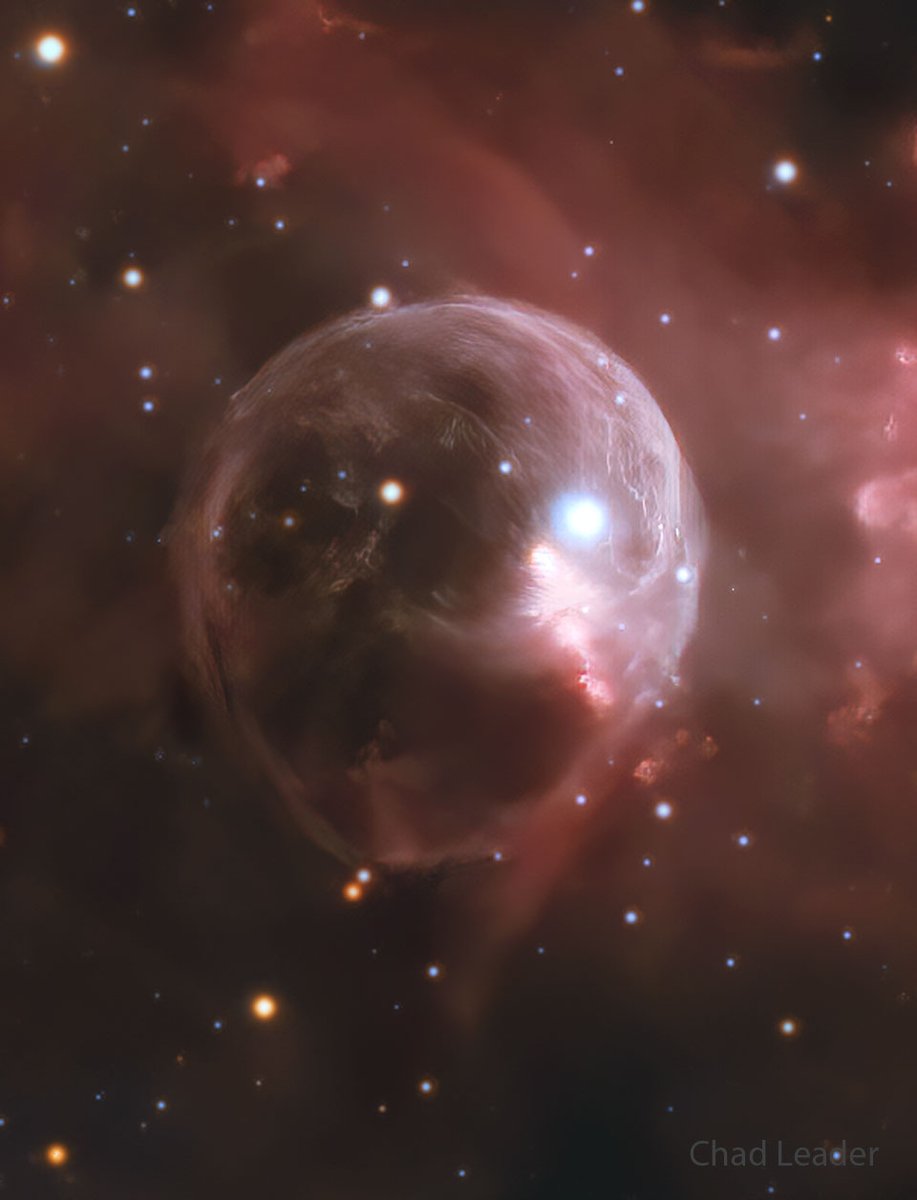
What created this huge space bubble? Blown by the wind from a star, this tantalizing, head-like apparition is cataloged as NGC 7635, but known simply as the Bubble Nebula. The featured striking view utilizes a long exposure to reveal the intricate details of this cosmic bubble
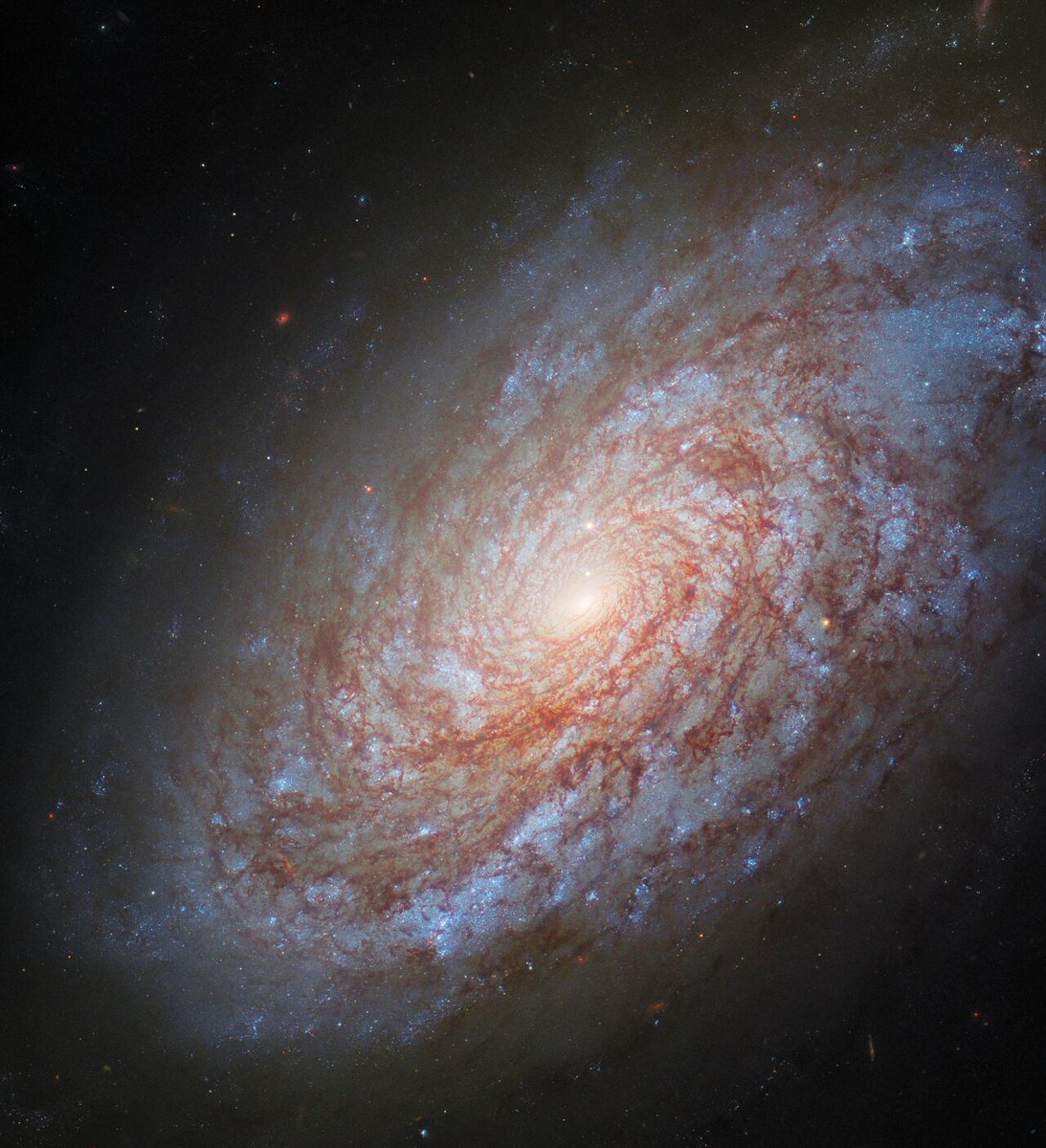
Our ESA/Hubble Picture of the Week features the unbarred spiral galaxy NGC 4414 ✨ 1/5
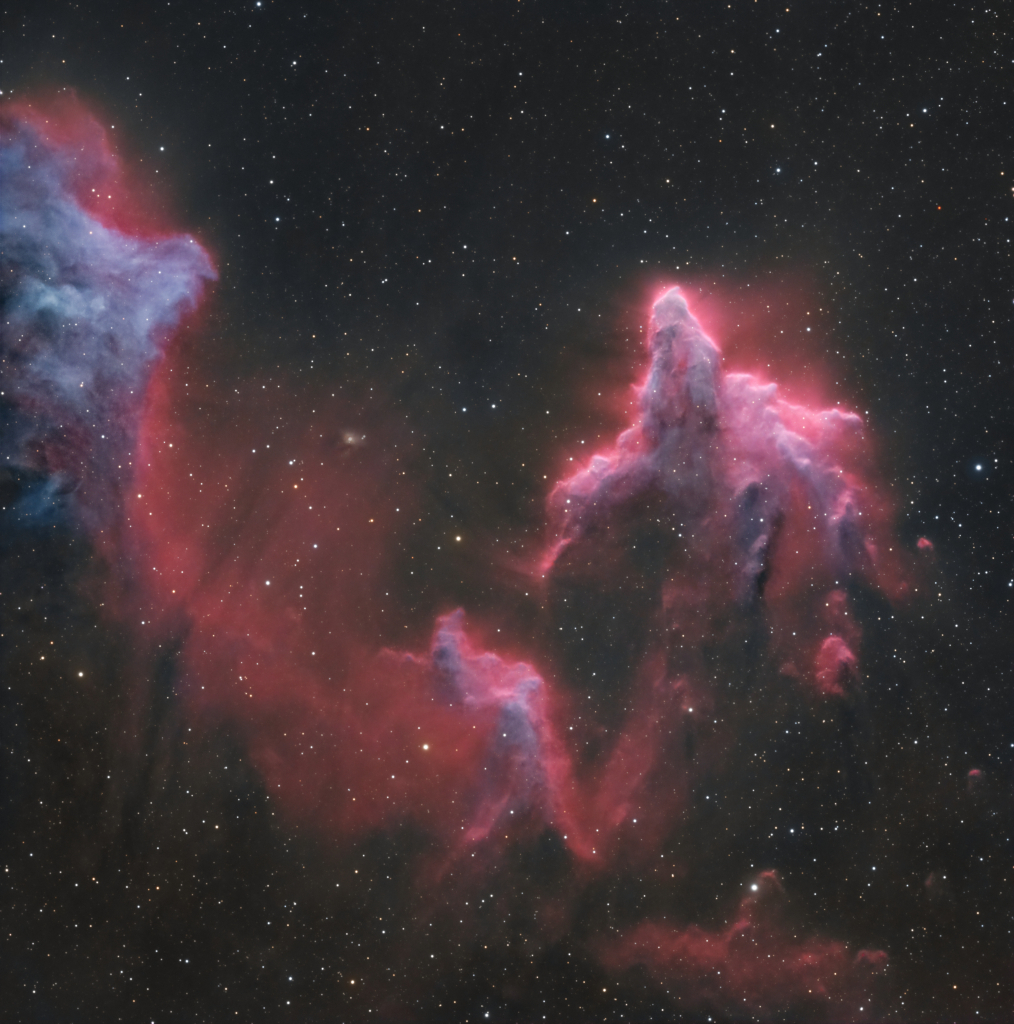
These brightly outlined flowing shapes look ghostly on a cosmic scale. A telescopic view toward the constellation Cassiopeia, the colorful skyscape features the swept-back, comet-shaped clouds IC 59 (left) and IC 63. About 600 light-years distant, the clouds aren't actually
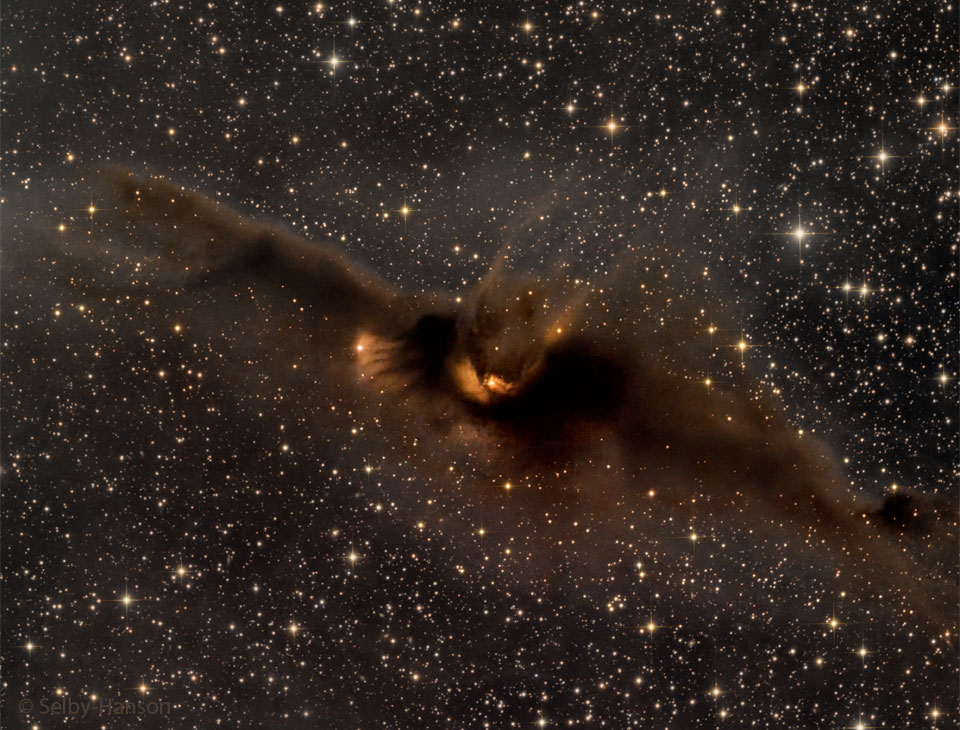
What is the most spook-tacular nebula in the galaxy? One contender is LDN 43, which bears an astonishing resemblance to a vast cosmic bat flying amongst the stars on a dark Halloween night. Located about 1400 light years away in the constellation Ophiuchus, this molecular cloud

Happy #SunDay! This week’s space weather report includes: · 6 M-class flares · 1 X-class flare · 29 coronal mass ejections · 0 geomagnetic storms This video from NASA’s Solar Dynamics Observatory shows the week’s activity. 🔥 Hot tip: The X3.3 flare is at 2:44!
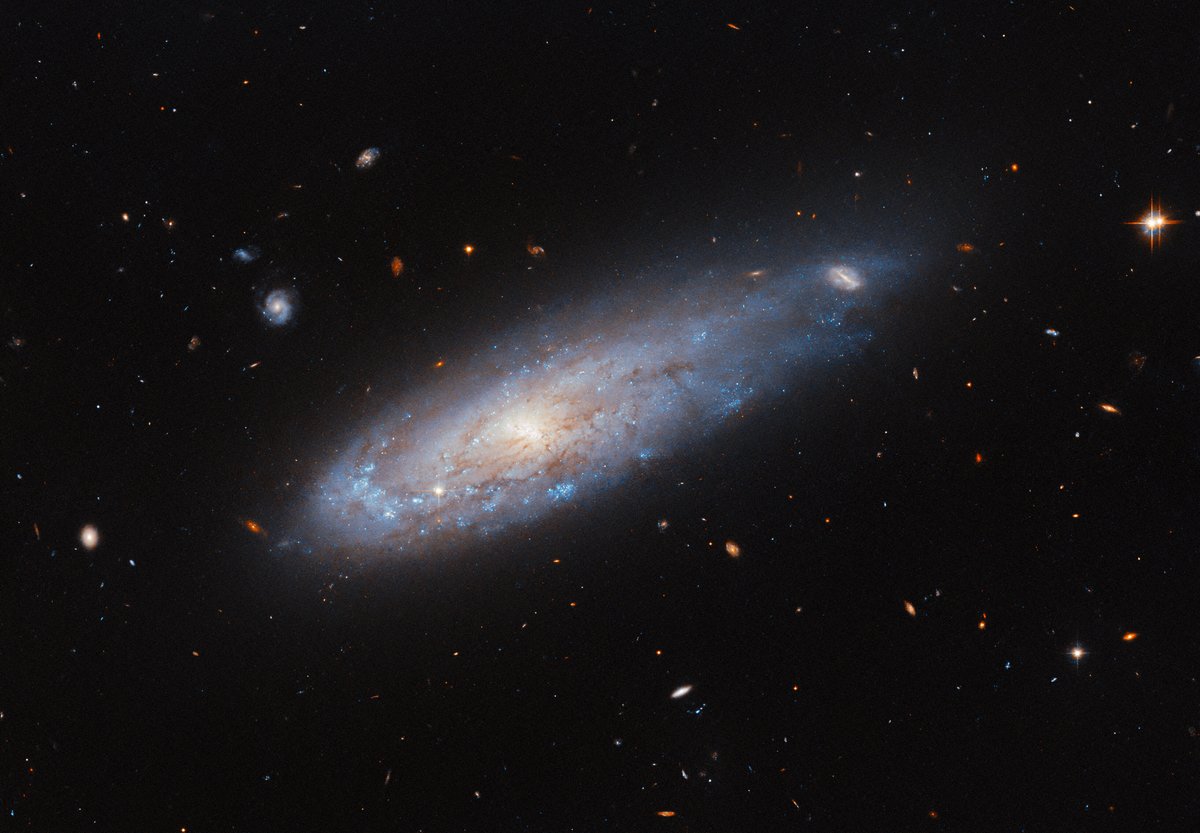
On the move 👋 This new #HubbleFriday view shows the galaxy IC 3225, which looks like it's speeding through space. Its distorted shape likely formed when it rammed through a thick intracluster medium of gas and dust, which stripped IC 3225 of some gas: go.nasa.gov/48CT2ZX
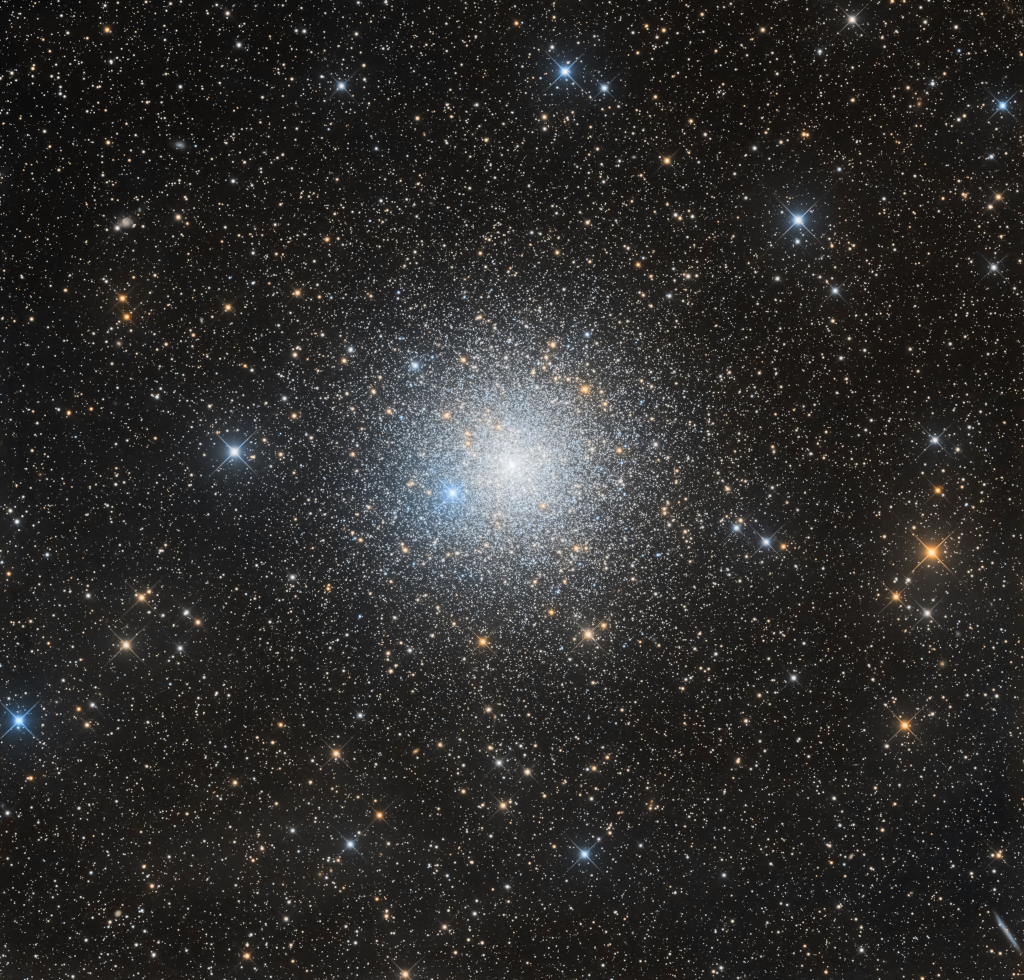
Some 13,000 light-years away toward the southern constellation Pavo, the globular star cluster NGC 6752 roams the halo of our Milky Way galaxy. Over 10 billion years old, NGC 6752 follows clusters Omega Centauri, 47 Tucanae, and Messier 22 as the fourth brightest globular in
Let's go stargazing with Hubble & @NASAWebb! NGC 602 is a gorgeous star cluster within the Small Magellanic Cloud, a satellite galaxy that orbits our own Milky Way. Hubble took a look in visible light (left) and found that NGC 602 hosts very young, low-mass stars.


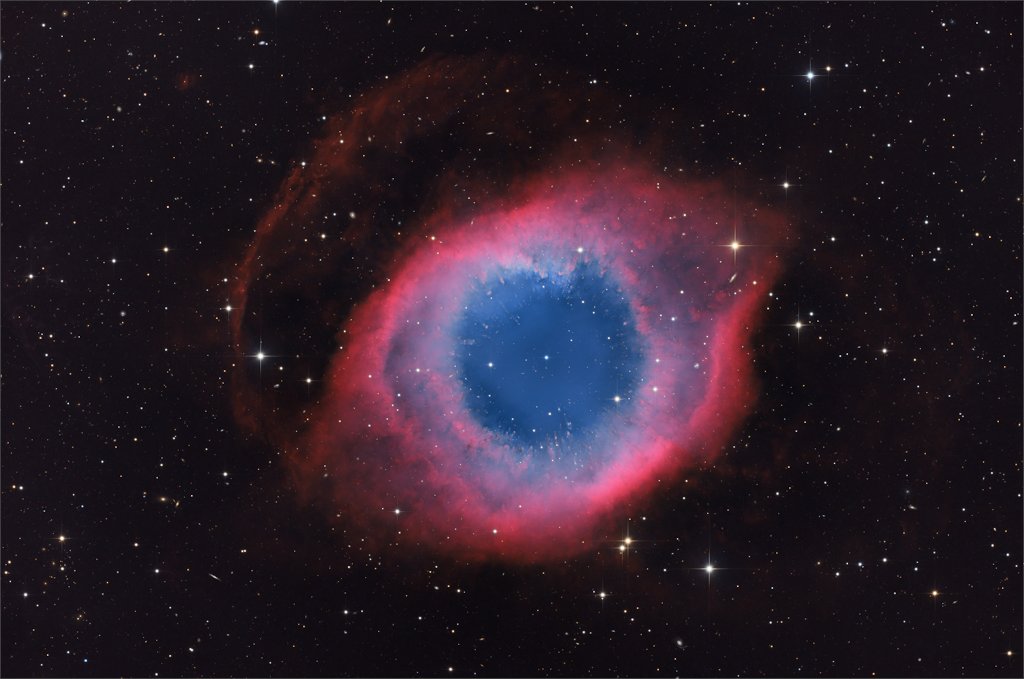
A mere seven hundred light years from Earth toward the constellation Aquarius, a star is dying. The once sun-like star's last few thousand years have produced the Helix Nebula. Also known as NGC 7293, the cosmic Helix is a well studied and nearby example of a Planetary Nebula,
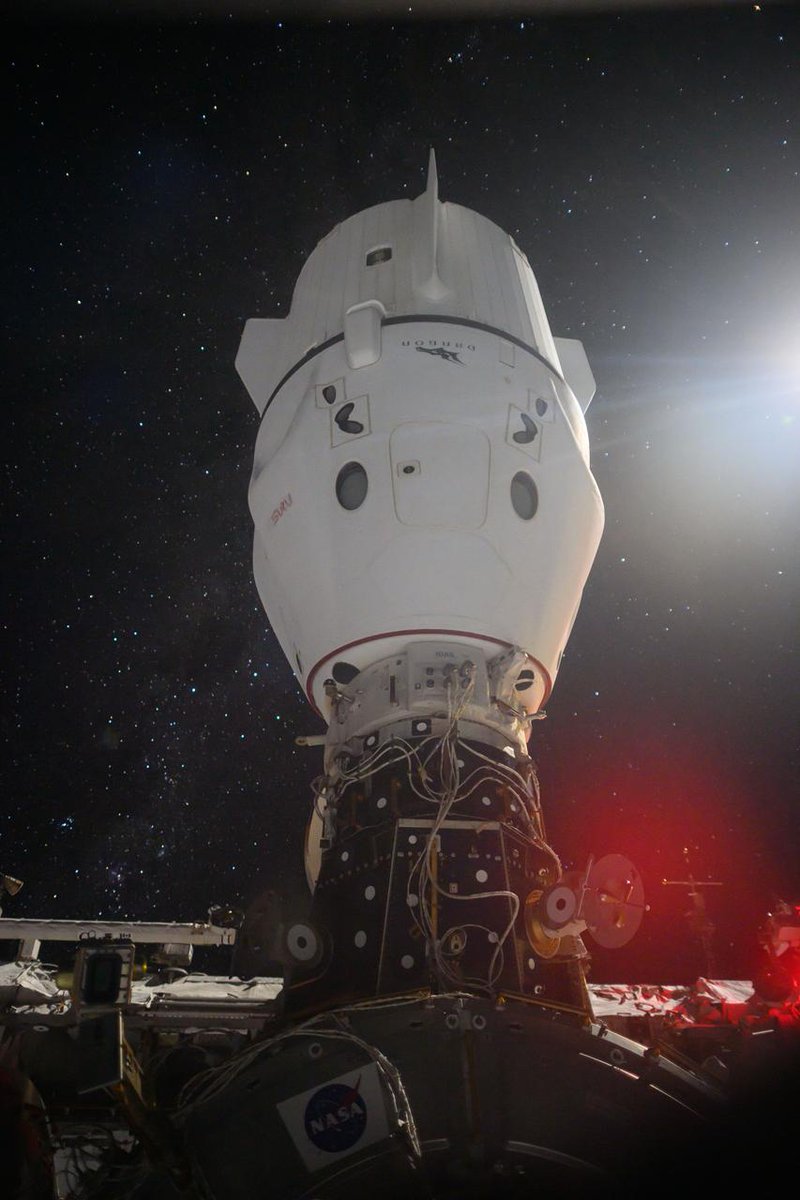
A new solar science instrument is about to be mounted on the International Space Station. How does it work, and what could it discover? 🤔 Find out this Wednesday at 1pm ET, when experts will be answering YOUR questions about new science heading to space! 👇

Looking forward to a fa-boo-lous webinar. 👻 Researchers will answer questions about science heading to @Space_Station, including measuring solar winds and testing cold-welding in space. Submit your Qs using #ISSNationalLab. Join us on 10/23 at 1pm ET. issnationallab.org/press-releases…




























































United States Trends
- 1. Luka N/A
- 2. Clippers N/A
- 3. #SmackDown N/A
- 4. Manon N/A
- 5. Dr. Pepper N/A
- 6. Tucker N/A
- 7. #LakeShow N/A
- 8. Ayton N/A
- 9. #DragRace N/A
- 10. Batum N/A
- 11. #PrestigeRoseland N/A
- 12. Huckabee N/A
- 13. #OPLive N/A
- 14. Marcus Smart N/A
- 15. Austin Reaves N/A
- 16. Dunn N/A
- 17. Ty Lue N/A
- 18. Sami N/A
- 19. Mathurin N/A
- 20. John Collins N/A
You might like
-
 Salt Communications
@saltcontrol -
 KAUST Startups
@KAUSTStartups -
 DEVELOP3D
@develop3d -
 Ephemera Guy
@johnnyeponymous -
 Rick Kovalcik
@paradoox02459 -
 TechniSpace
@TechniSpace -
 Lisa Deutsch Harrigan
@LisaMarli -
 Horizon CDT
@HorizonCDT -
 Janice Gelb
@smofbabe -
 Ulrika O'Brien
@rikabeet -
 🧡 البزخ المزﯕـيطي
@K7al_L3afta
Something went wrong.
Something went wrong.