

Joakim William Hauge
@Monetisedev
Building @ Monetise | Architect of Unit Flow for AI-native firms. Master Unit Economics from Day 1. Documenting the journey from Start to Supersonic. 🇬🇧🇳🇴
I’m building Monetise, a business gateway for AI builders. Building apps is easy now. Monetising them isn’t. Monetise helps solo founders and small teams turn usage into revenue, connecting payments, AI, and performance insights in one system that just works. My goal here is…
Automation used to mean “do more with less.” In 2026, it means: Spend more, but govern it, agents can scale output, but they can also scale losses. If your AI doesn’t know when to stop thinking, you don’t have leverage, you have a liability with a credit card. The next edge…
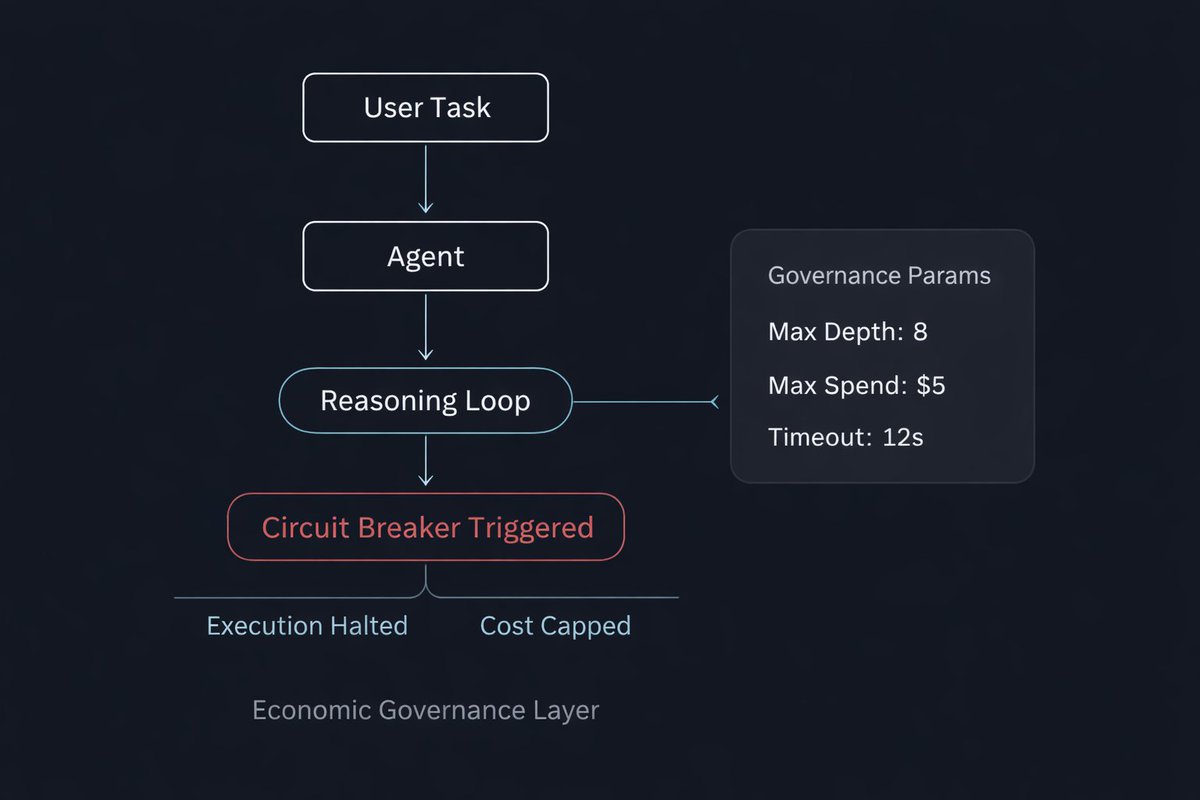
I see founders still think in cost per token, in the agentic era, the real unit of cost is the reasoning path. One recursive loop can turn a $1 task into a $50 loss. That’s the silent P&L killer. I’m trying to understand the new math of AI solvency where margins depend on…
SEO builds your asset, when your CAC trends toward zero and retention stays healthy, your unit economics stop being your problem and start working for you.

If you're not doing SEO from day one, you're already too late. It’s one of the easiest ways to get traction, backlinks, and real users. Build → Ship → Distribute. Repeat. 🚀
AI native businesses don’t fail in accounting. They fail in the gap between forecasted unit economics and actual cash movement. Recursive agents execute thousands of decisions per user. Averages look healthy. Margins quietly erode. There’s a missing control layer between…
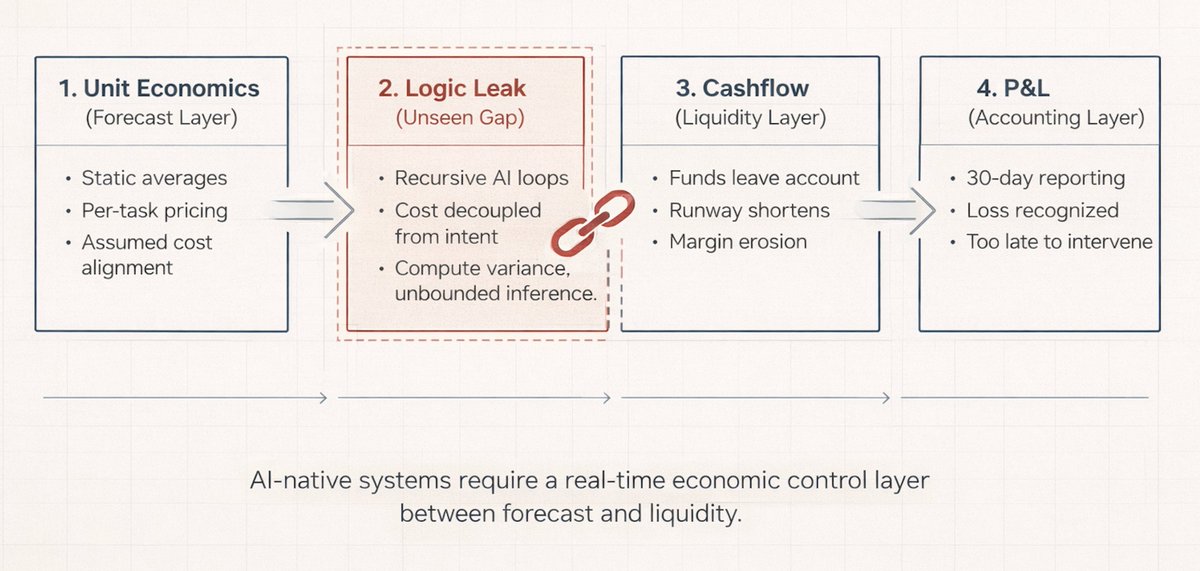
Been looking at a lot of early-stage startups, there’s one thing almost all of them miss: Unpriced behavior. One feature that’s “free for now.” One workflow nobody ever costed. One user path that scales usage faster than revenue. Whats scary is? Top-line can look healthy,…
We are testing features that looked profitable on paper. Unit economics were fine. Averages checked out. Then test users showed up. One weird usage pattern later and the margin was gone, no alert, no error, no spike. Just… vanished. Building for AI-native products means you…
Looking at AI native startups, they don’t have a growth problem. They have a “one user is quietly destroying margins” problem. We ran an experiment: Took the unit-economics budgets -> then manually calculated real-time unit economics per session. The averages matched,…
So, tools are getting smarter, the real upgrade is when they reflect you back at yourself, turning usage insights into intention.

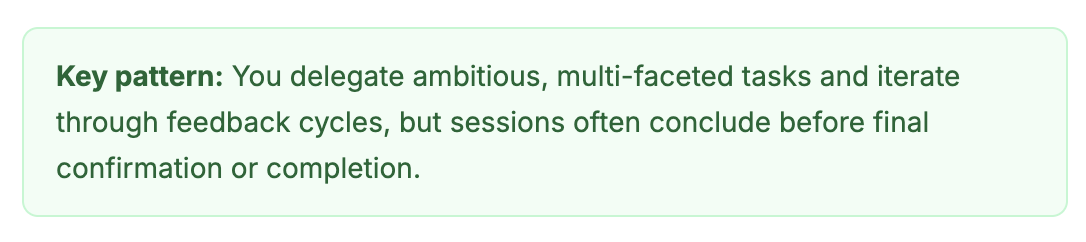
Claude Code insights feature with the CALLOUT, ouch! Also learned that I have 200+ messages with Claude Code per day. Honestly thought it would have been higher. And that I love multi-clauding. And that I'm a night owl (or...night lobster?). Will be updating my…
SPAs are a state sync nightmare, but that's where the money leaks." Spent the morning debugging how our frontend handles token usage. Most devs look at "hydration speed." I’m looking at Unitflow, how much that specific state-sync just cost us in API credits vs. the user's…
Unit economics are static, AI businesses aren’t. We’re exploring “Unitflow”, real-time unit economics that update based on user type, usage costs, retention, and actual value captured. Not averages, not cohorts, live economics, per unit. Feels like where AI-native businesses…
Traditional graphs are clear, but not actionable. A revenue curve can tell you what happened, but unless you’re an analyst, it doesn’t tell you what to do next. Builders don’t need more charts, they need: clear takeaways prioritized actions context for today’s decisions…
Traditional dashboards are for post-mortems. Builders need a diagnostic. Staring at a curve doesn't fix a Logic Leak. If feedback isn't a bulleted priority, it’s just noise in a busy day-to-day. We are pulling our hair out to bridge the "Analyst Gap." Turning raw usage data…
I wasted months building “smart” agents. The fix was stupid simple, agents are workers, files are memory. Everything else is cope.
Truth be told, If swapping models breaks your system, you didn’t build agents. You built prompts, memory belongs in files. Agents are disposable workers. This one shift fixes scaling and vendor lock-in.


































United States Trends
- 1. #tellmelies N/A
- 2. #WWERaw N/A
- 3. Bree N/A
- 4. Houston N/A
- 5. Pippa N/A
- 6. Wrigley N/A
- 7. Stephen N/A
- 8. Tyra N/A
- 9. #ANTM N/A
- 10. #RealityCheck N/A
- 11. Happy Lunar New Year N/A
- 12. $MAYA N/A
- 13. Kingston Flemings N/A
- 14. Robert Dorgan N/A
- 15. Marianne N/A
- 16. Hilton Magic N/A
- 17. Dogs N/A
- 18. Rhode Island N/A
- 19. Stephanie N/A
- 20. #TheRookie N/A
Something went wrong.
Something went wrong.