

Daily dumb of brain: Working with images (PNG, JPEG) in Python is easy using PIL: open, resize, layer images, change RGB or alpha (transparency), or loop through pixels to modify them — e.g. make white pixels transparent.
Daily dumb of brain: Web scraping with Python is quite easy. Using the requests library, you can load a URL and get its source code. BeautifulSoup formats and helps navigate the HTML like a code editor. To scrape multiple pages, use .format() in a loop — stop when an error occurs



A game-changing moment for fungi! The UK and Chile have launched a global pledge to protect fungi, recognizing them as an independent kingdom of life. This historic move, championed by my friend @Giulifungi and the @fungifoundation, aims to conserve the essential role fungi play…
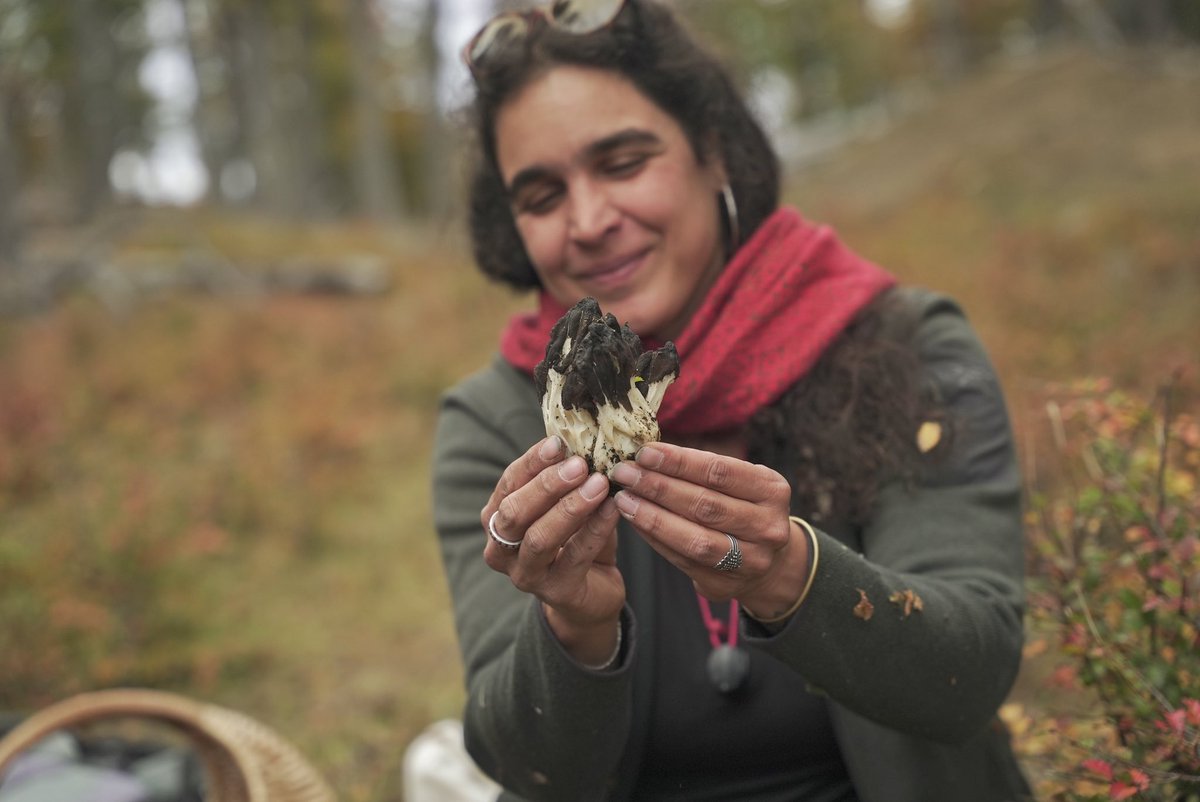
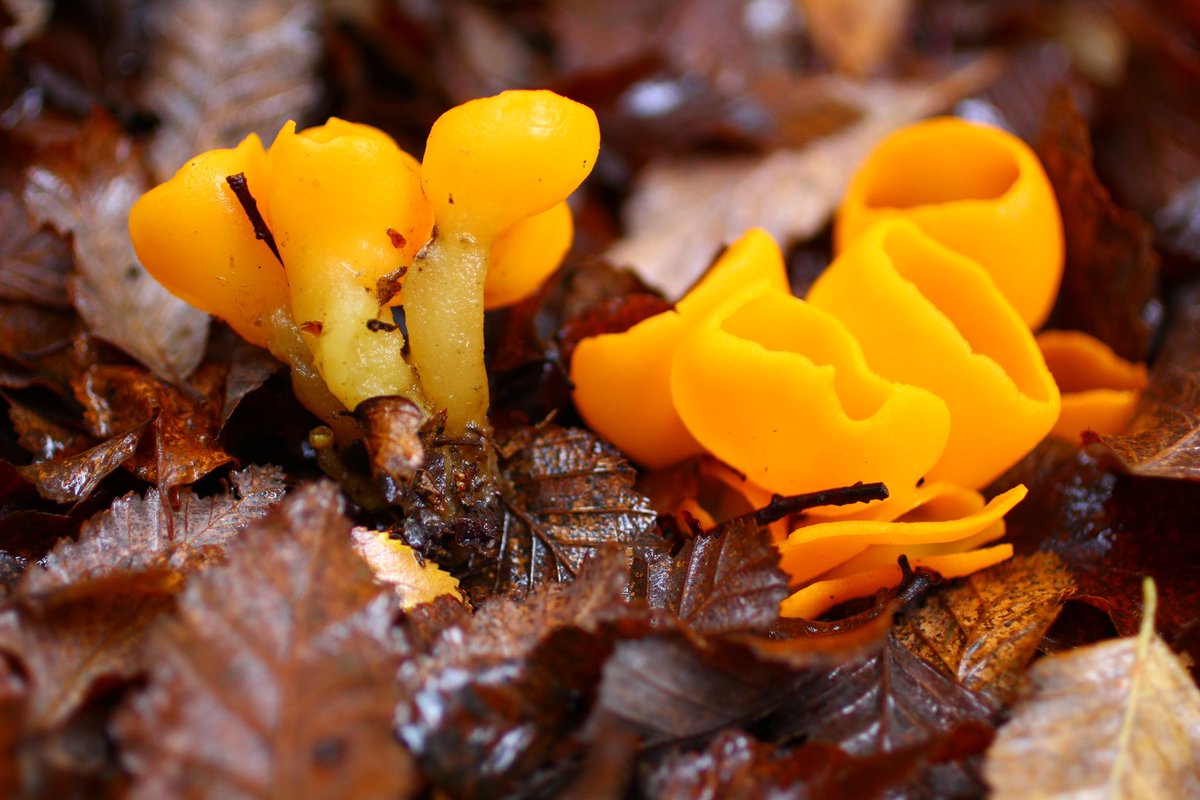
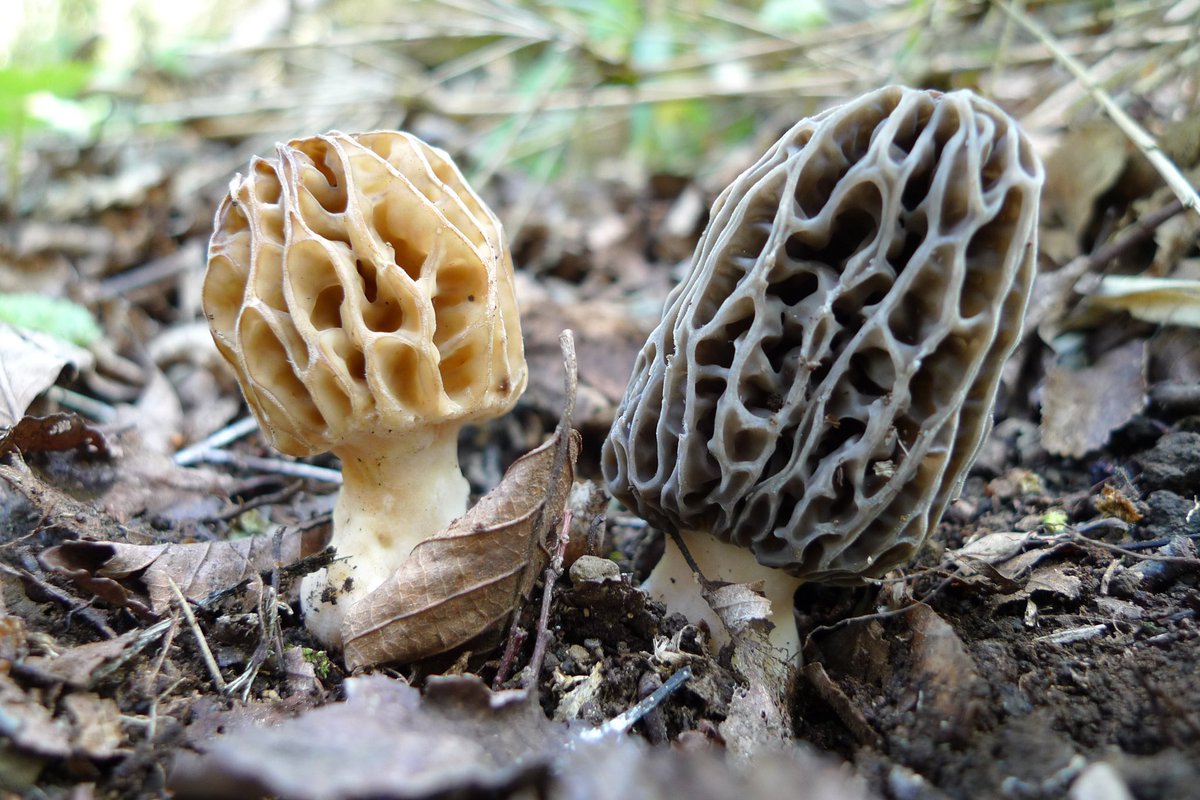
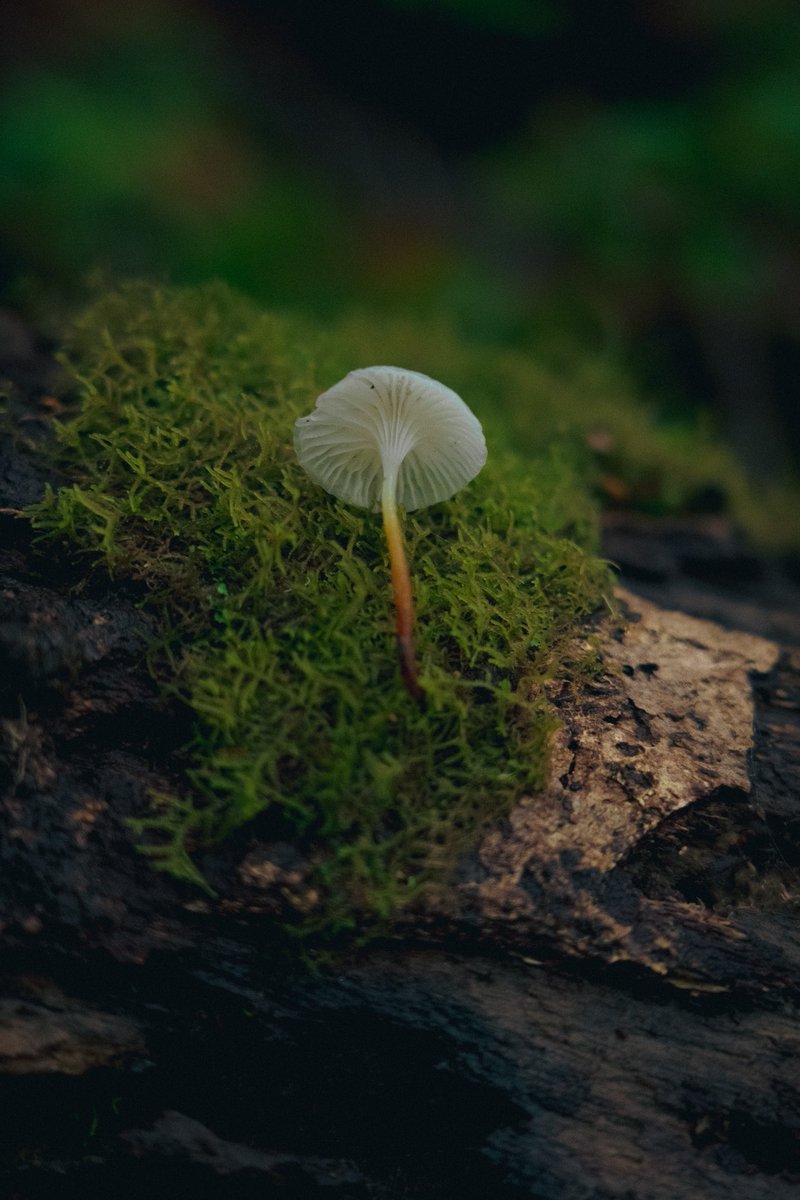
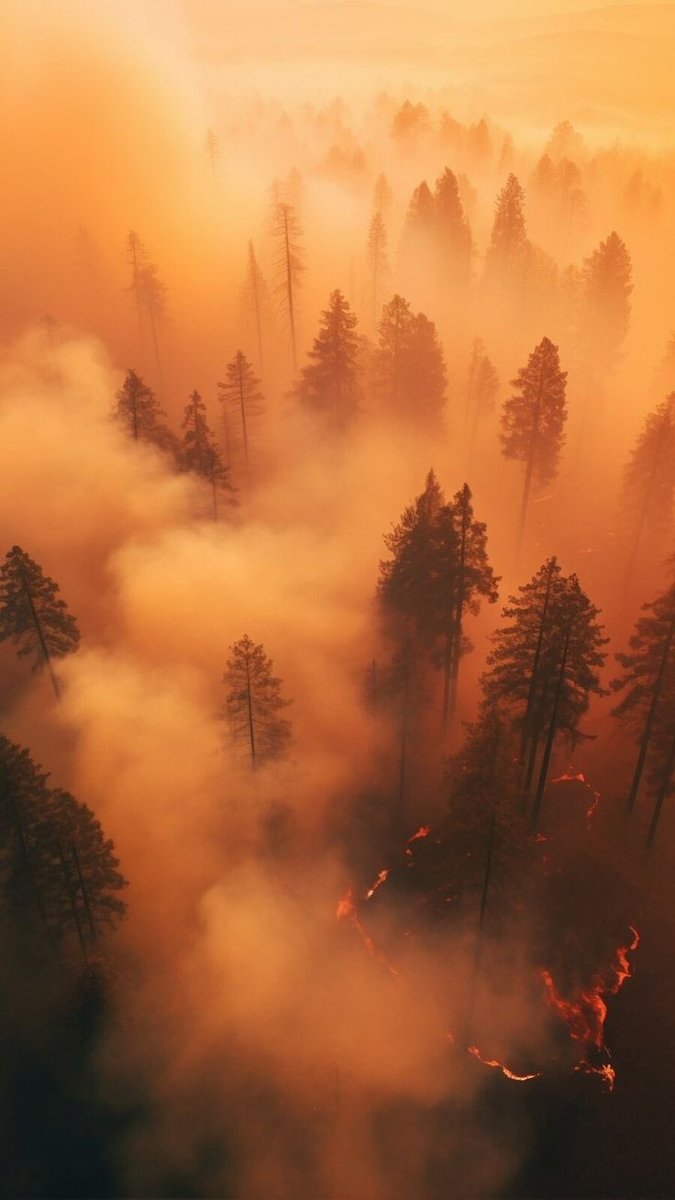
Pyrophilus fungi, “fire-loving” fungi, are species that colonize burned soil post-wildfire. Notable examples include Morchella (morels) and Pyronema omphalodes, which decompose charred organic matter, facilitating nutrient cycling and ecosystem recovery in fire-affected forests.
Radiotrophic fungi withstand radiation levels thanks to melanin. This pigment helps absorb ionizing radiation and convert it into energy for growth - almost like plants using sunlight! These unique fungi even thrive in radioactive environments, like Chernobyl. Nature is amazing!
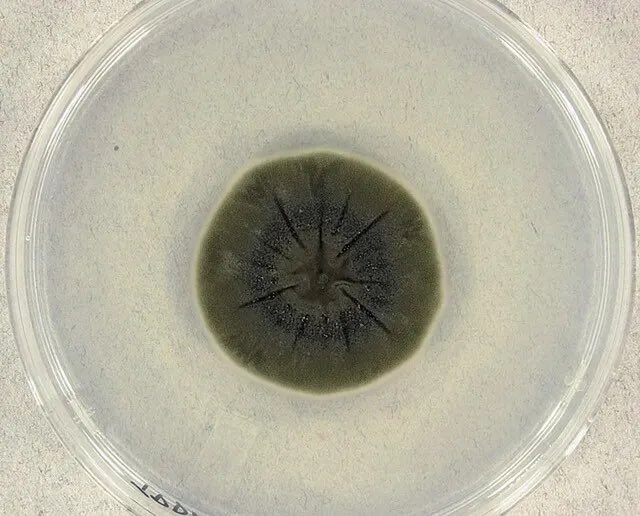
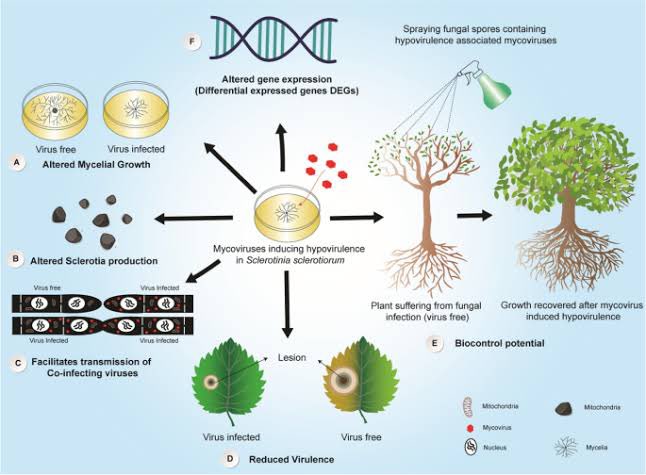
Some fungi carry viruses! 🦠 These “mycoviruses” can affect growth, reproduction, and even toxicity. Unlike in plants or animals, these viruses often don’t harm fungi but live in a kind of peaceful symbiosis, sometimes helping them withstand environmental stress. 🧬🍄
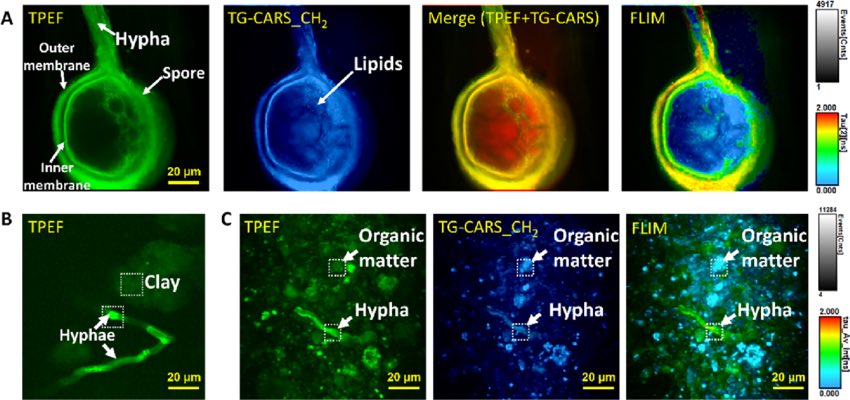
Some fungi emit tiny flashes of light to help spread their spores! The slime mold Fuligo septica can create microscopic “biophotonic” bursts that are invisible to the naked eye. These flashes may attract insects or respond to air currents, aiding in spore distribution.
Certain fungi can create their own “wind” to disperse spores. The common mushroom (Agaricus bisporus) releases water vapor, increasing humidity and cooling the air around it. This process generates a tiny airflow that helps spores spread, even in still air.
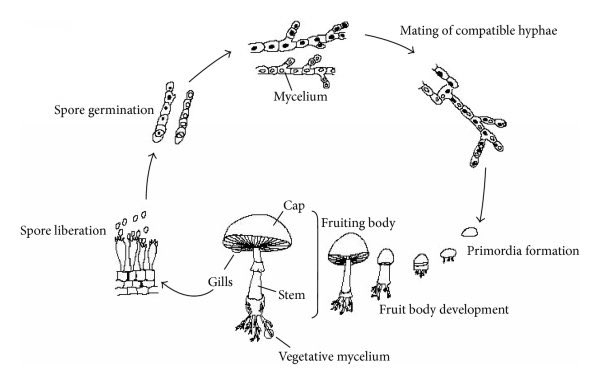

Take a moment to read "Bringing the Fungi Kingdom Out of the Dark," an in-depth look at the significance of the 'Fungal Conservation Pledge' presented by Chile and the UK at #COP16. Thank you, @anjahuja & @FinancialTimes! @Giulifungi @MerlinSheldrake ft.com/content/a23e7a…

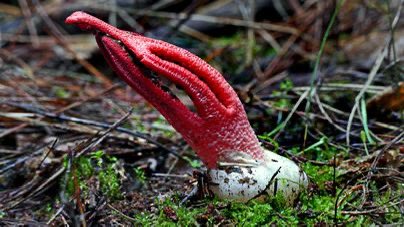
The octopus stinkhorn mushroom (Clathrus archeri) emits a foul, rotting smell to attract flies, which then help spread its spores. Native to Australia and New Zealand, this mushroom’s eerie red, tentacle arms and pungent odor are both designed to lure insects for spore dispersal
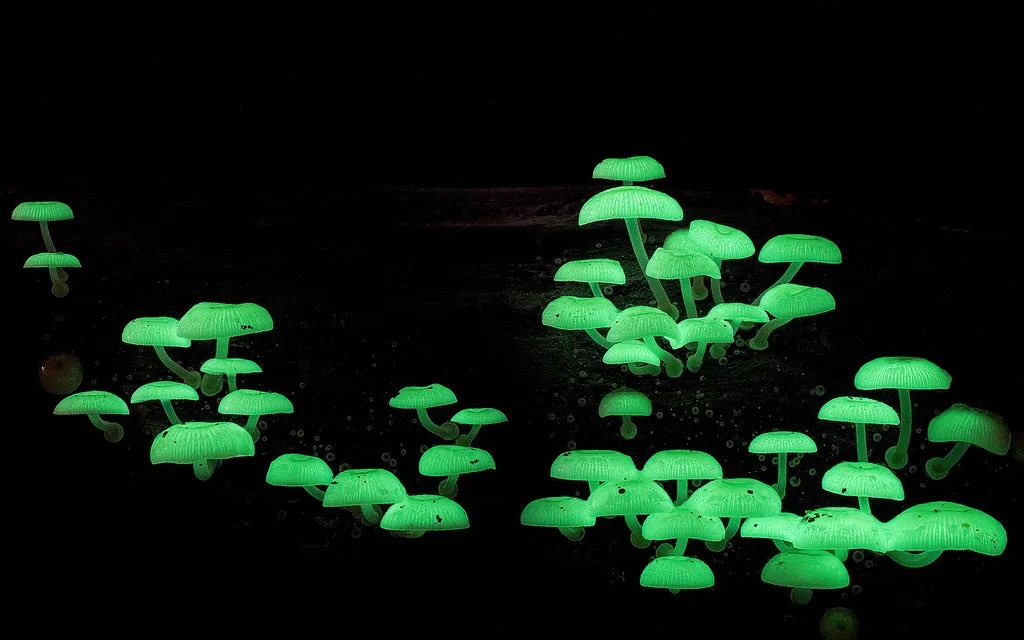
Some fungi can glow in the dark! Over 80 species of bioluminescent fungi, like the Jack O’Lantern (Omphalotus olearius), produce light through a reaction between luciferase and luciferin. This glow likely attracts insects to help spread their spores.
"The proposal, submitted to the UN conference on biodiversity this week, calls for 'funga' to be granted a global legal consideration distinct from flora and fauna, and experts say this could change the future path of the planet." 👇🏽 Read more at theweek.com/environment/th…

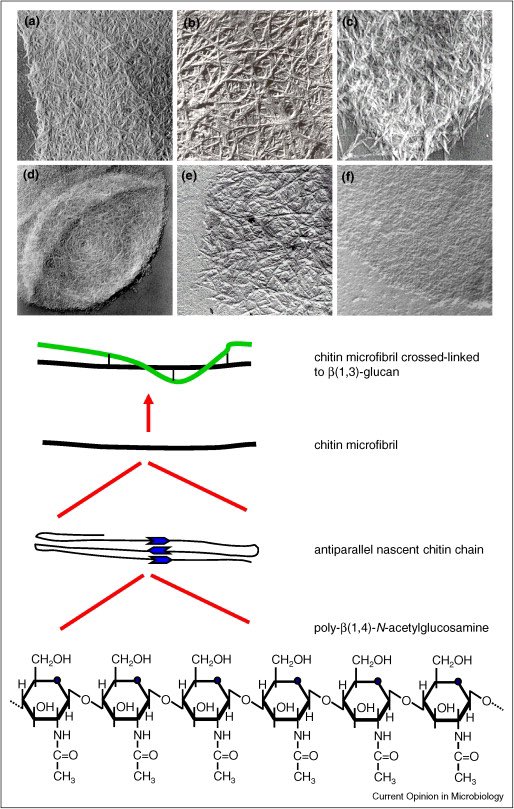
Fungi aren’t plants! They belong to their own biological kingdom. Unlike plants, whose cell walls are made of cellulose, fungi have walls made of chitin—the same material found in the exoskeletons of insects and crustaceans.

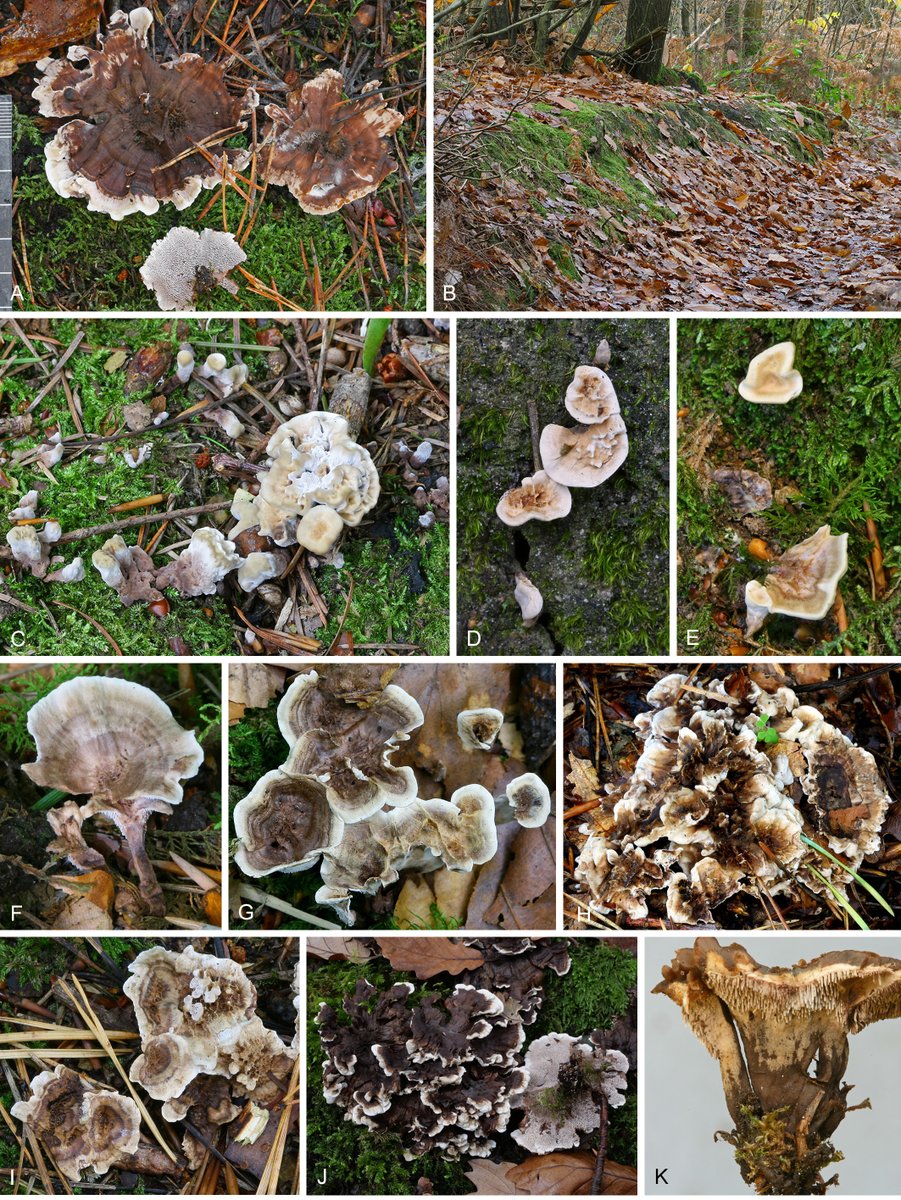
Phellodon species have declining populations in Europe, and are used as indicators of forests with high conservation values. A key to all species of Phellodon currently known in Europe is provided. doi.org/10.3114/fuse.2… #fungi #fungus #OpenAccess
Fungi play a critical role in the carbon cycle. By breaking down plant material, they release CO2, while some species, like mycorrhizal fungi, form symbiotic relationships with plants, helping to store carbon in the soil. This makes fungi essential for mitigating climate change.


Great piece in @Forbes about how @spununderground is using ML technologies to document underground systems - and why this matters for fungal conservation. So proud of @Giulifungi @fungifoundation as they advocate for the Fungal Pledge at #COP16. forbes.com/sites/danielad…
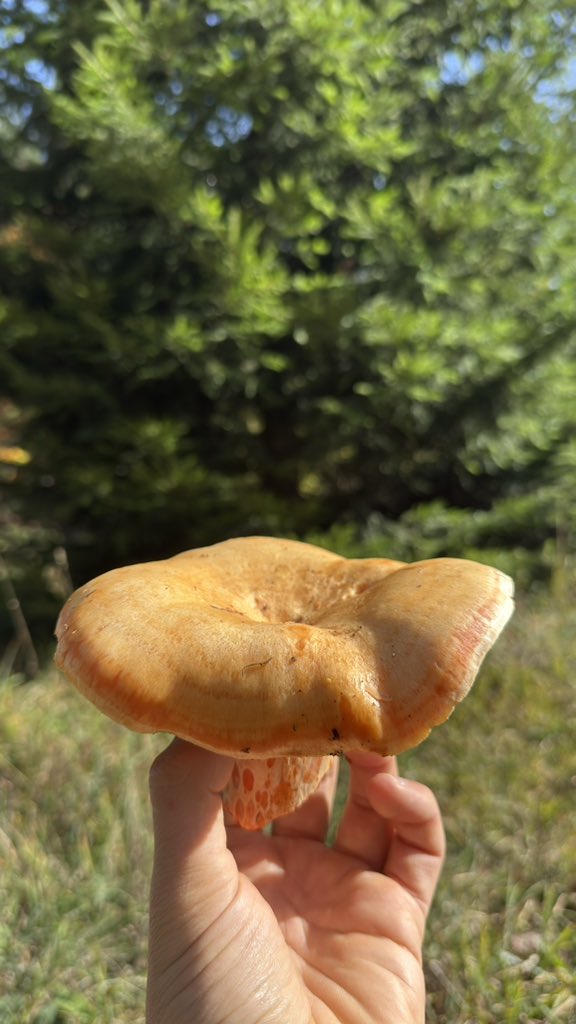
The Orange Milk Cap (Lactarius deterrimus) is a very common and edible mushroom found under spruce trees, known for its orange “milk” when cut. General all orange-milking mushrooms are edible and offer antiviral, antioxidative, anticancer, and antibiotic properties.



















































United States Trends
- 1. #AEWDynamite N/A
- 2. Ciampa N/A
- 3. Bondi N/A
- 4. Sam Merrill N/A
- 5. Silver Spring N/A
- 6. Briscoe N/A
- 7. #Unrivaled N/A
- 8. #TheMaskedSinger N/A
- 9. #SistasOnBET N/A
- 10. James Van Der Beek N/A
- 11. Paige N/A
- 12. Veronica Burton N/A
- 13. Massie N/A
- 14. Roddy N/A
- 15. Dawson N/A
- 16. SAVE America Act N/A
- 17. Bassitt N/A
- 18. Rhyne N/A
- 19. Culver City N/A
- 20. The Dow N/A
Something went wrong.
Something went wrong.