

MENA conflict tracker
@menamapper
Tracking MENA geopolitics with context and clarity. Insights, conflict analysis, and real stories that go beyond borders. #MiddleEastConflict #FactsBeyondBorder
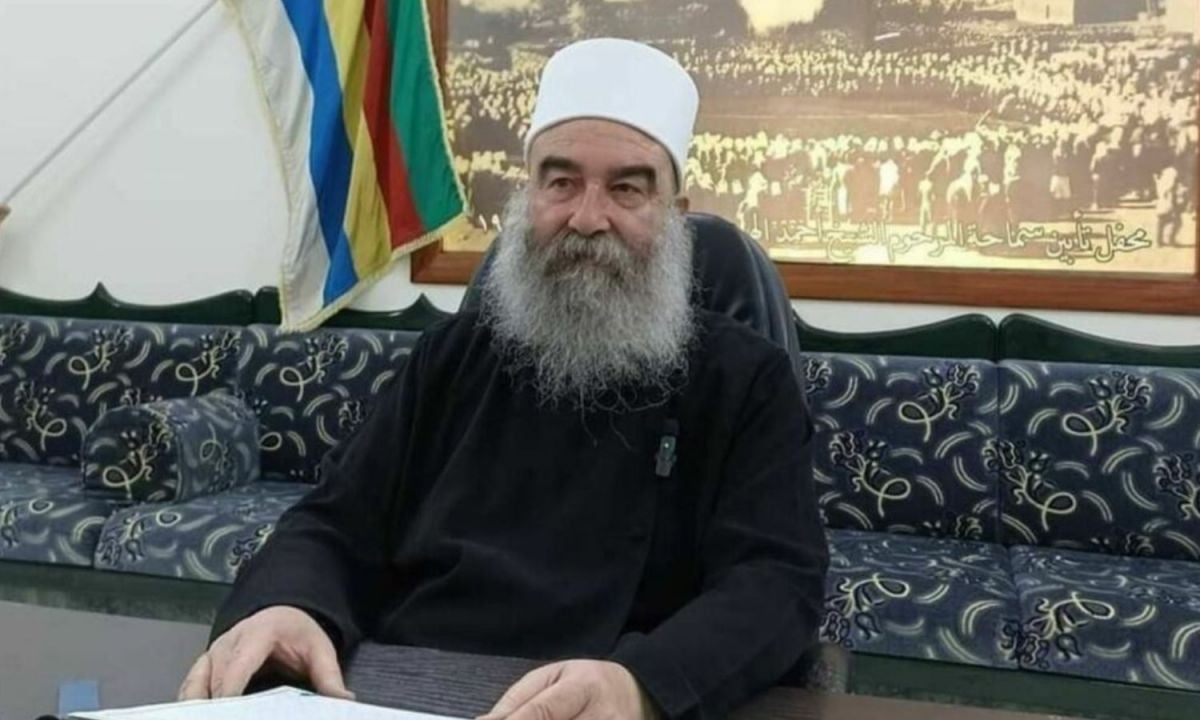
Suwayda’s break from Damascus marks a major shift. After Assad’s fall and Muhammad al-Sharaa’s failure to assert control through HTS-backed Druze militias, the community has chosen self-rule—rejecting both jihadist influence and external power.

BIG: Suwayda officially severs ties with Damascus. Israel-backed Suwayda’s Supreme Legal Committee declared self-rule, naming a new internal security chief and forming an interim executive council to manage all local affairs.
It’s a question worth asking. In Western democracies where people are free to protest without fear, widespread silence on Hamas suggests a deeper ideological or communal alignment—not just fear or ignorance. Understanding that dynamic is essential to grasping the broader conflict
It’s been almost two years, and you still haven’t asked the most fundamental question: Why aren’t Palestinians in Western liberal democracies protesting against Hamas? If you can’t answer that, you don’t understand anything.
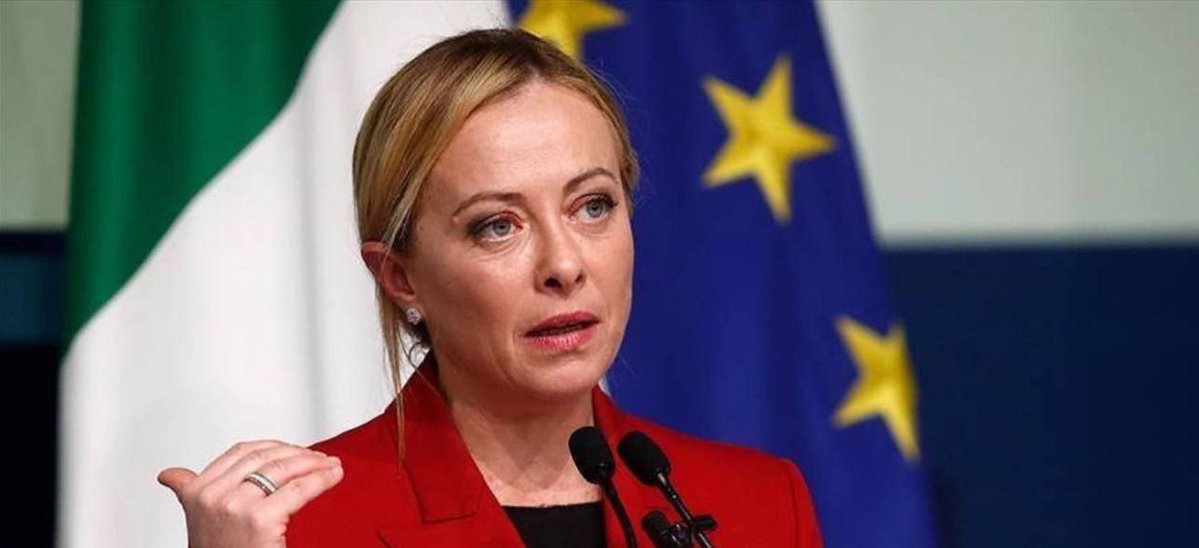
Meloni's stance reflects a growing recognition that symbolic recognition of a Palestinian state - absent borders, governance, or peace agreements - only undermines the very outcome it claims to support. Statehood without negotiations rewards intransigence and sets peace back.
Recognizing a Palestinian state before it is established is counterproductive, says Giorgia Meloni. “I strongly support a Palestinian state, but I am against recognizing it before it is established,” said Italian Prime Minister Meloni.
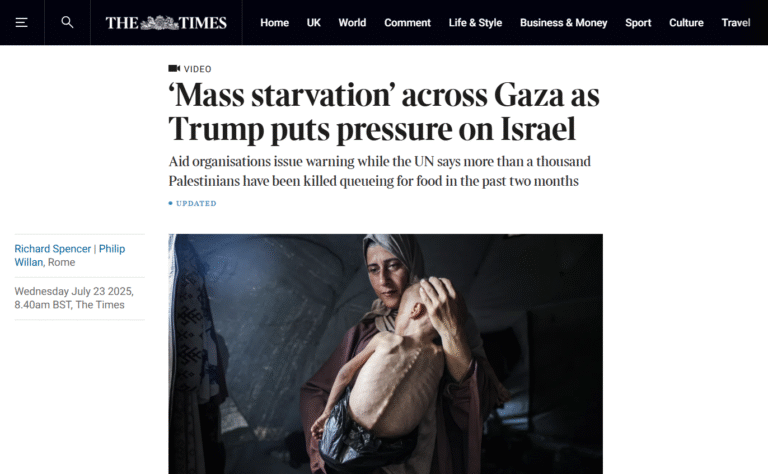
This isn’t the first time an image has been weaponized to push a narrative. The photo of Mohammed al-Matouq has gone viral as proof of ‘famine,’ but closer scrutiny shows it’s being used out of context - another case where emotional impact trumps accuracy.
1/5 The Truth Behind the Viral Gaza Famine Photo By : @mishtal A recent viral image of a malnourished child from Gaza, identified as Mohammed al-Matouq, has been widely circulated by international media outlets as evidence of a famine in the region. However, a deeper…
Hamas is a case study in why Arab states like Egypt, Jordan, and the UAE outlaw Islamist groups: because they’ve seen firsthand how radical ideology devours its host. When political Islamists gain power, prosperity dies and suffering spreads, and Gaza is just the latest victim.
Dear West, Hamas is a living example of why many moderate, successful Arab states fight radical Islamists so fiercely. Their dogma is suicidal, and wherever they rule, they drag entire populations into misery, just as Hamas has done with innocent Gazans. Ban radical Islamists.
This isn’t about negotiations—it’s about control. While Israel, the U.S. and Egypt push for a ceasefire, Hamas stalls, calculating how much more blood can be leveraged for political gain. The group claiming to defend Palestinians is the one prolonging their suffering.
This threat is more than sectarian hate - it’s a declaration of religious war. By equating the Druze with Jews, the speaker reveals the motive: not land, but the same Islamist vision that targets Israel is now turning on the Druze, using religious language to justify genocide.

Syrian Islamist issues warning to the Druze: “Get out of Jaramana. Get out of every mixed area. Your fight isn’t just with Syrians, it’s with the entire Muslim world. We’ll hunt you down wherever you are, just like the Jews. You’re no different from the Israelis.”
While Druze and Christians are being slaughtered in Syria, it’s Jolani’s jihadists leading the charge—with horrifying impunity. The victims aren’t just forgotten—they’re abandoned, as Islamist groups fill the power vacuum and wage religious war with little global outcry.

Catholics are routinely slaughtered by radical Islamists in Africa and the Middle East — a situation which routinely elicits no comment from church leaders
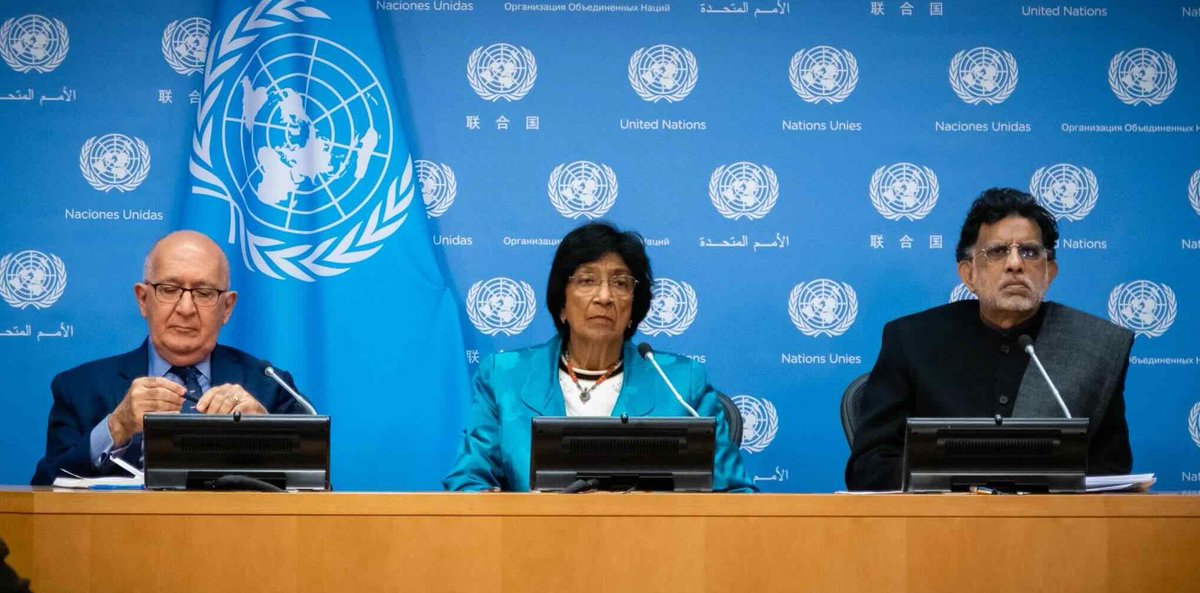
The resignation of all three members of the UN’s anti-Israel inquiry follows years of documented bias and growing international pressure—now catalyzed by U.S. sanctions on Francesca Albanese.

Dominoes Are Falling: UN Watch Hails Resignation of All Three Members of UN's Anti-Israel Inquiry — “This is All Due to U.S. Sanctions on Albanese” unwatch.org/un-watch-hails… FOR IMMEDIATE RELEASE GENEVA, July 14 – UN Watch welcomed today’s sudden resignation of all three…
If true, this signals a major shift: Syria quietly pivoting toward Israel to secure its regime, even at the cost of Golan claims. Iran’s weakening grip is forcing old enemies to reconsider survival over ideology.
NEW 🔴 Syria's Ahmad Al-Sharaa, met with the Israeli National Security Advisor, Tzachi Hanegbi, in Abu Dhabi. Al-Sharaa reportedly ceded the Golan Heights to Israel in exchange for support to remain in power. Three demilitarized zones will soon be established in southern…

Across the ME, the Muslim Brotherhood is banned for inciting extremism and destabilizing governments and is classified as a terrorist group. Yet in the U.S., it’s still treated like a legitimate political movement. That disconnect says more about Washington than it does about it.

Muslim brotherhood is a designated terrorist organization in Egypt, Jordan, UAE, Saudi Arabia. Not in America

The MV Matthew cocaine bust shows how Iran and Hezbollah use global crime networks to fund their operations. With help from the Kinahan cartel, they brought terror-linked narcotics into Europe—until Irish forces intercepted them. Iran’s reach is global, and so is the threat.
The Iranian regime and its Hezbollah proxies allegedly financed the importation of €157 million worth of cocaine into Ireland in 2023. This was done with support from the Kinahan organized crime group and other transnational gangs providing funding and logistics. The drugs…

This defiant speech from a bunker shows Hezbollah’s dilemma—loud rhetoric masking strategic insecurity. The vow not to disarm is more a message to internal critics than to Israel. As Hezbollah suffers repeated blows and loses regional support, its threats sound less intimidating.
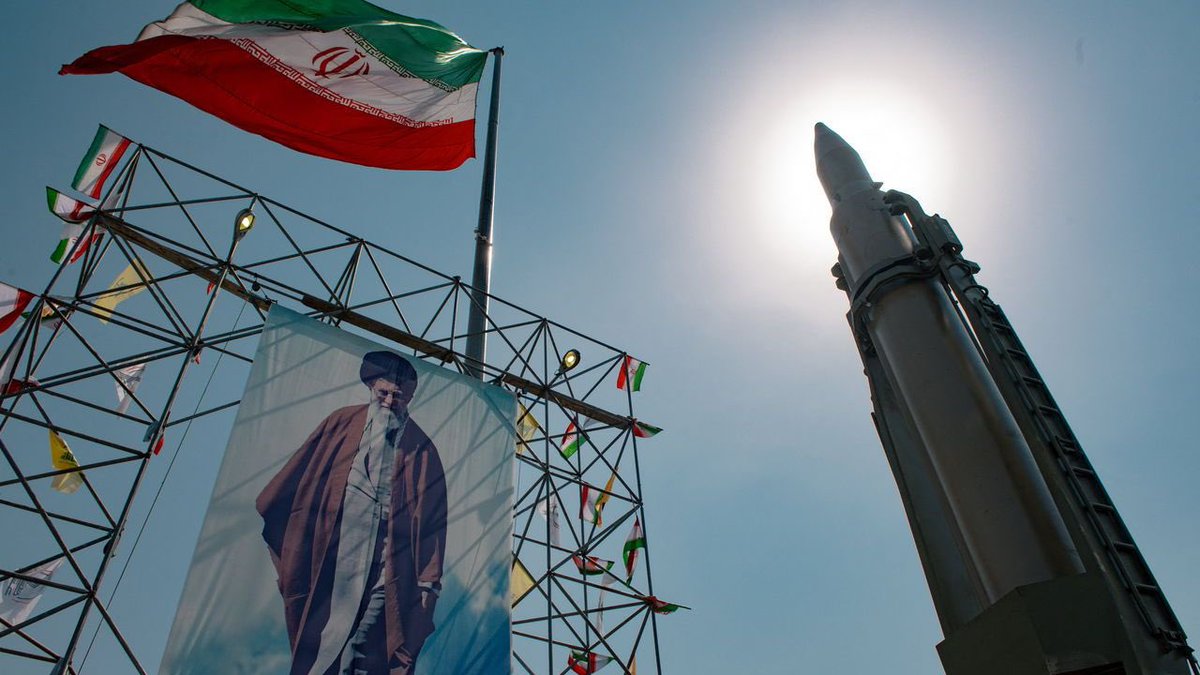
U.S. strikes exposed the regime’s vulnerability, pushing hardliners to double down on nuclear deterrence. This isn’t a new conclusion—it’s the regime’s long-standing calculus, but growing instability and military setbacks are making it more urgent than ever.
Wall Street Journal: U.S. strikes have heightened political tensions in Tehran and reinforced the view among Iranian officials that the best deterrent is having the ability to build a nuclear bomb.
This cooperation isn’t surprising—Saudi Arabia and other regional players discreetly helped intercept Iranian drones during previous attacks too. What’s notable is how open the acknowledgment is becoming. As Iran loses prestige,more countries move toward normalization with Israel
If true, such a meeting would mark a huge geopolitical shift. Unlikely alignment, due to a shared interest in curbing Iran and Hezbollah, but the claim that Damascus would concede the Golan Heights seems far-fetched—more likely some early-stage signaling than a serious concession
The Abu Zayed family’s public vow of revenge marks a major shift. When large, influential clans in Gaza turn openly against Hamas, it signals growing cracks in the group’s control. This isn’t just personal—it’s political.
This massacre at St. Elias Church in Damascus is another horrifying reminder that Christians in the Middle East remain gravely at risk. Killed while at prayer, these victims were targeted for their faith. Christians facing persecution, is part of a broader, often-ignored crisis.

These are the people massacred in the Orthodox Church Damscus Syria. Just an hour before they were killed. Christians are being hunted like animals, 1 in 7 Christians worldwide face persecution, and many pay with their lives. It's a hidden holocaust.
This isn’t just a violation of terms; it’s a message. Tehran is testing the resolve of its adversaries and showing it won’t be bound by diplomacy when it sees an opportunity for escalation. The question now is how far Israel—or its allies—will let this go unanswered.
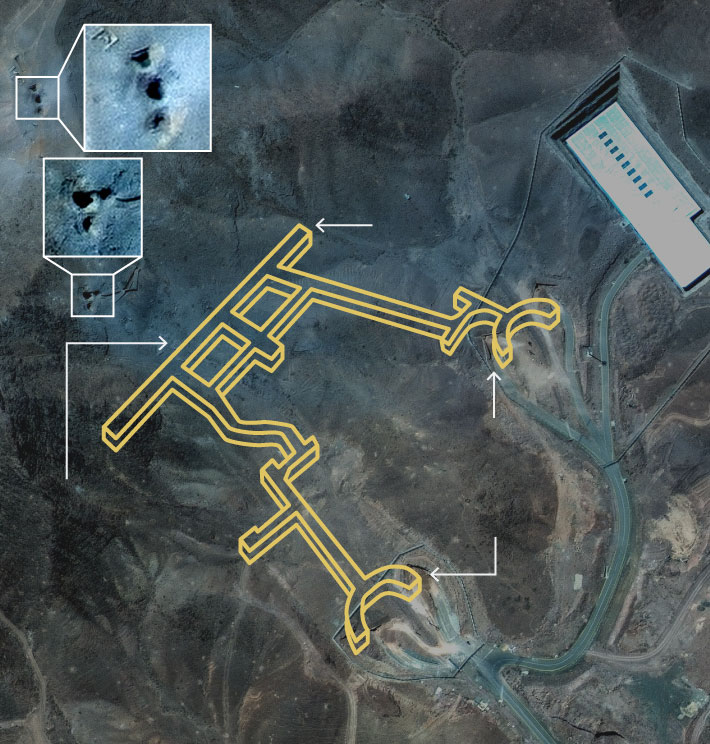
Fordow's hardened facility near Qom was enriching uranium to 60% using advanced centrifuges, placing Iran just a short technical step from weapons-grade. Built to withstand airstrikes and hidden from the world until 2009, Fordow crossed every red line.

🇮🇷 WHY THE U.S. BOMBED FORDOW: IRAN’S NUCLEAR RED LINE Fordow isn’t just a facility - it’s a fortified bunker carved into a mountain near Qom, built to survive aerial bombardment. It was never meant for civilian use. Iran moved enrichment there after Natanz was exposed in…
















































United States Trends
- 1. Seahawks N/A
- 2. Sam Darnold N/A
- 3. Rams N/A
- 4. Stafford N/A
- 5. Vikings N/A
- 6. Pats N/A
- 7. McVay N/A
- 8. #RHOP N/A
- 9. Puka N/A
- 10. Woolen N/A
- 11. Kupp N/A
- 12. gerard N/A
- 13. #AKnightOfTheSevenKingdoms N/A
- 14. Drake Maye N/A
- 15. #BaddiesUSA N/A
- 16. #IndustryHBO N/A
- 17. Mike Macdonald N/A
- 18. Xavier Smith N/A
- 19. #mcrperu N/A
- 20. Stacey N/A
Something went wrong.
Something went wrong.