#veterinaryterminology resultados da pesquisa
#VeterinaryTerminology of the Day Rosette - A specific type of coat pattern similar to spots comprised of a ring rather than a solid dot. One of the best ways to tell Leopards apart is that they have Rosettes instead of spots on their torso! #NashvilleZoo

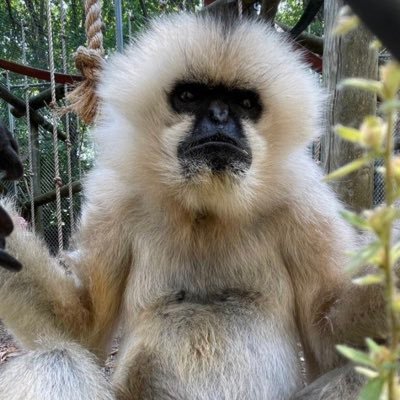
#VeterinaryTerminology of the Day Rete Mirabile - A dense net of blood vessels often found in warm-blooded animals for a variety of reasons. Giraffes have one near their head that prevents blood from rushing directly to the brain when they lean down to drink. #NashvilleZoo
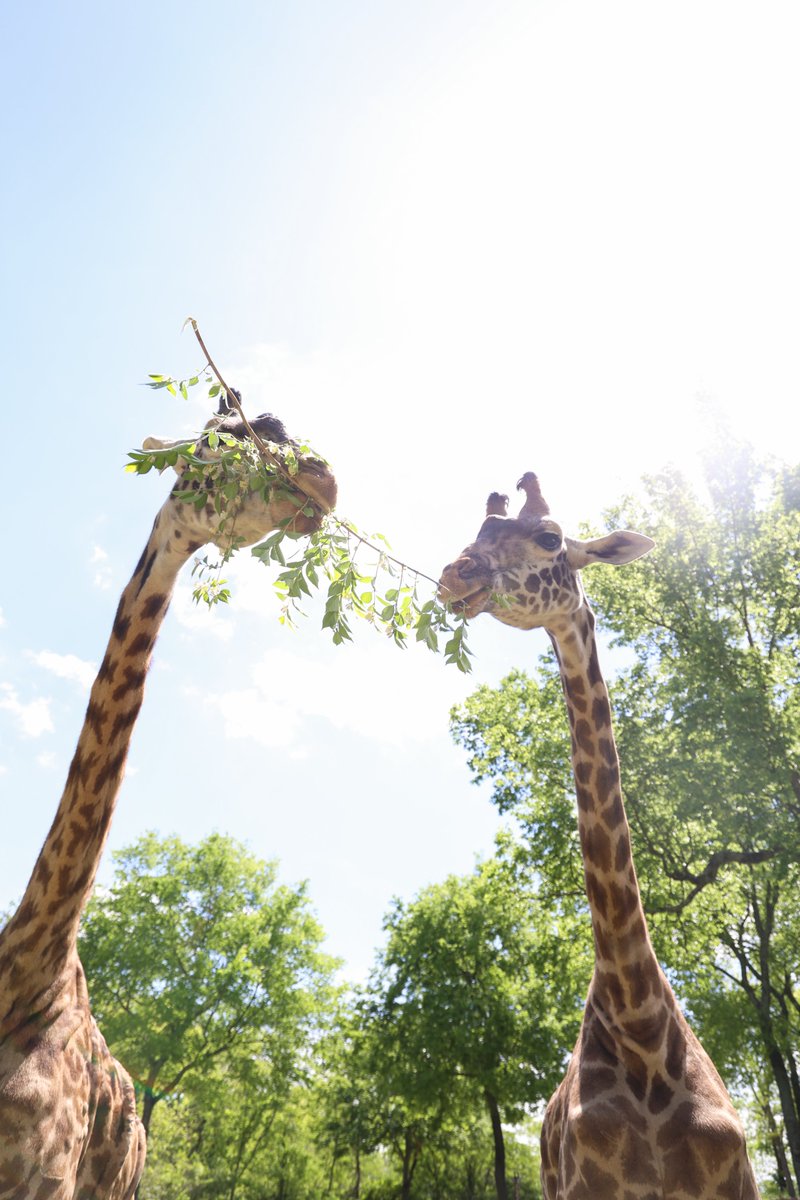
#VeterinaryTerminology of the Day Hyoid Bone - A small bone in the voice box critical for vocalization. Differences in the Hyoid Bone between different cat species allow some to purr and others to roar, but never both. #NashvilleZoo
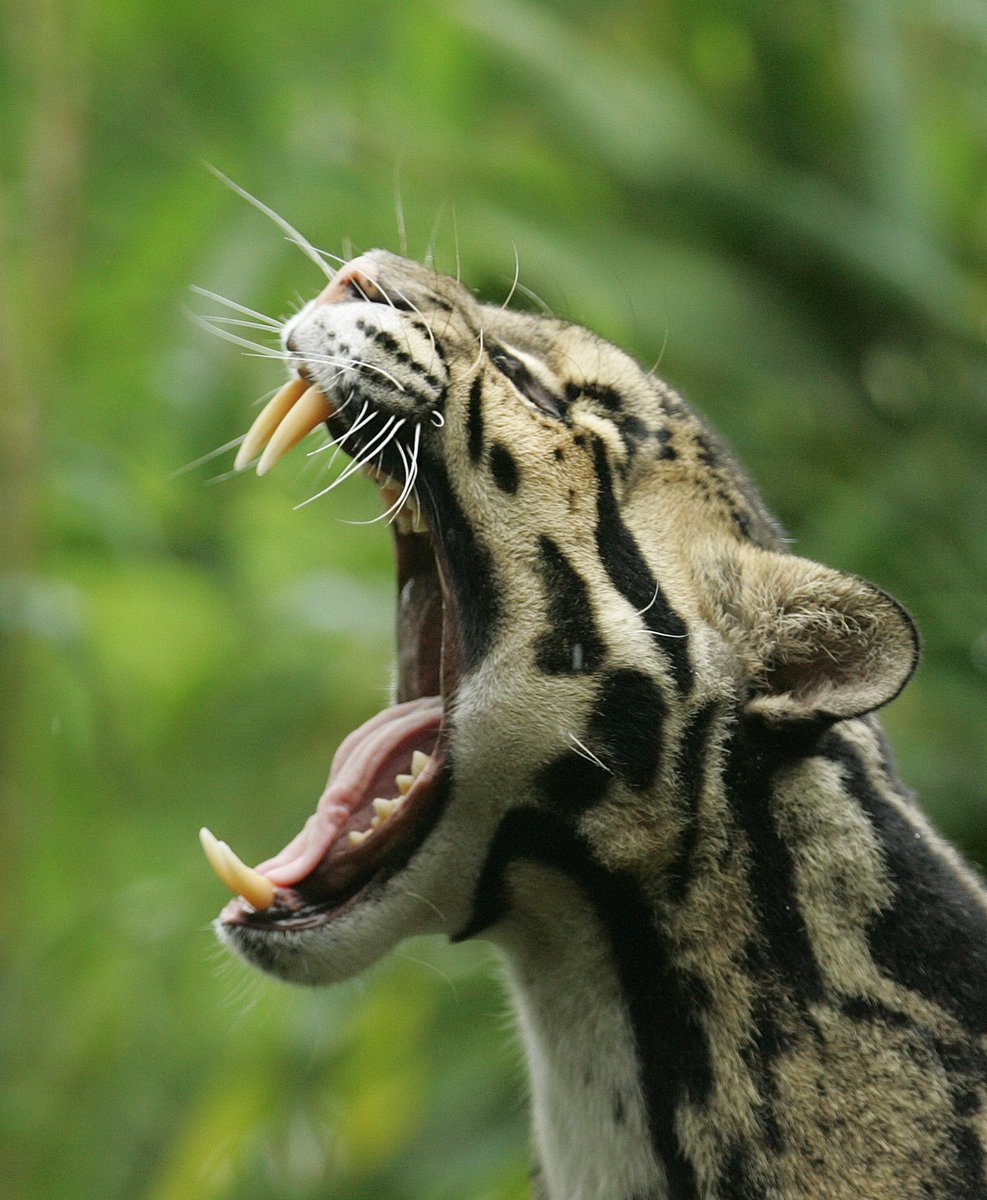
#VeterinaryTerminology of the Day A #congenitaldefect is an abnormality that is present at birth, as a result of heredity or environmental influence such as a toxin or infection. Examples include scoliosis or a cleft palate. Our beautiful #Kangaroo Alinta was born with scoliosis

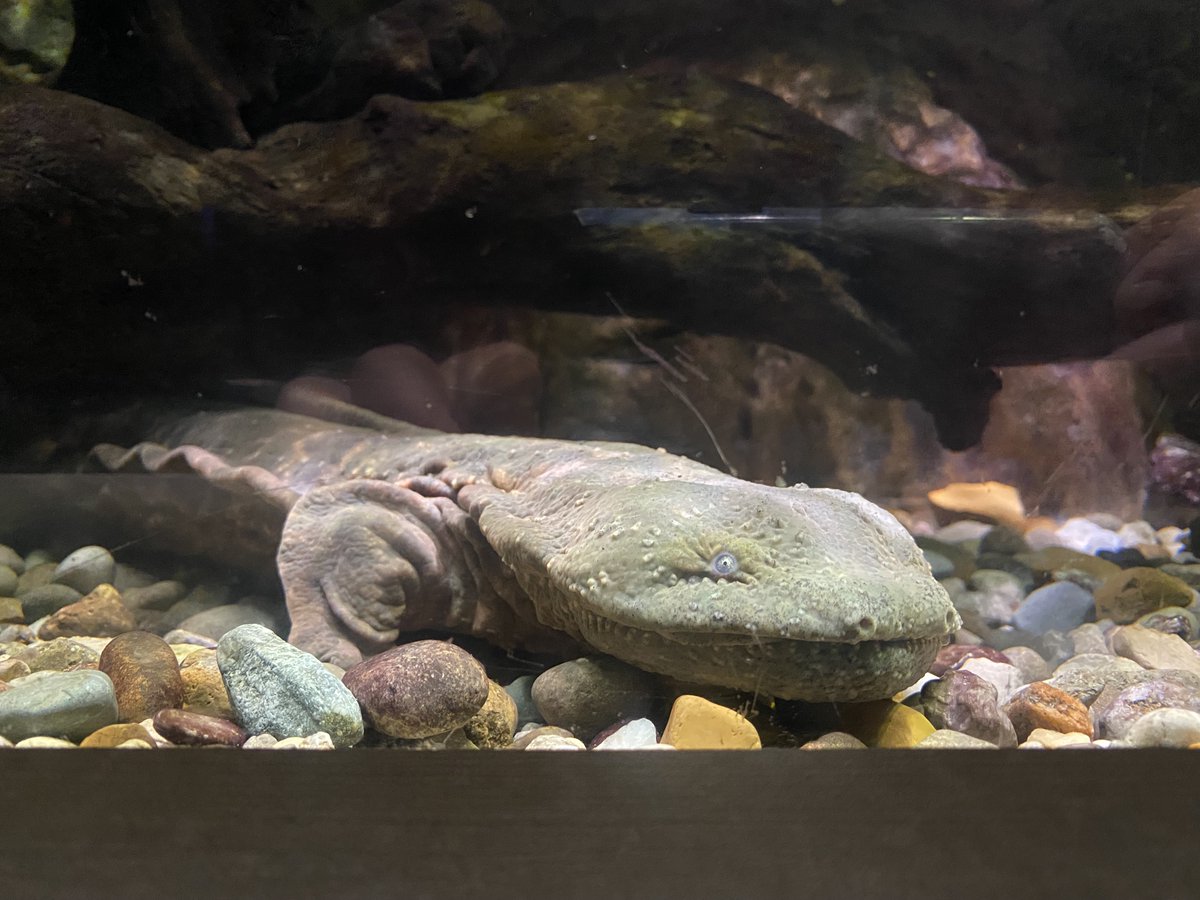
#VeterinaryTerminology of the Day Cutaneous Gas Exchange - the ability of an animal to breathe primarily through its skin, rather than lungs or gills Hellbenders and many other Salamanders rely on Cutaneous Gas Exchange, making them extra vulnerable to pollution #NashvilleZoo
#VeterinaryTerminology of the Day Ophthalmoscope - An instrument for viewing the interior of the eye. #NashvilleZoo
#VeterinaryTerminology of the Day terrestrial - Living on the ground or underneath its surface. #NashvilleZoo
#VeterinaryTerminology of the Day Autoimmune - An immune response that is developed against the animal's own tissues. #NashvilleZoo
#VeterinaryTerminology of the Day: Immersion: A method of medicating fish by placing them in a tank containing the medication.
#VeterinaryTerminology of the Day Defibrillation - A process of shocking the heart in a specific way to restore a coordinated heartbeat and a pulse. #NashvilleZoo
#VeterinaryTerminology of the Day Abscess - A pocket of pus, usually caused by a bacterial infection.
#VeterinaryTerminology of the Day Ventricle - Either of the 2 lower chambers of the heart. #NashvilleZoo
#VeterinaryTerminology of the Day Volume overload - A form of heart failure that results in an increase in the size of the one or both ventricles, the lower chambers of the heart.
#VeterinaryTerminology of the Day Toxoplasmosis - Infection by Toxoplasma microorganisms, which can cause serious damage to the central nervous system, especially in young animals.
#VeterinaryTerminology of the Day Herbivore: An animal that eats only plants, such as rabbits or horses!
#VeterinaryTerminology of the Day #Lesion refers to any abnormal change in the structure or function of a part of the body, it can include wounds, sores, tumors, cataracts, etc.
#VeterinaryTerminology of the Day Osteomalacia - A condition in adult animals in which the bones soften because of an imbalance in calcium and phosphorus metabolism.
#VeterinaryTerminology of the Day Breed: A group of animals or organisms having common ancestors and certain distinguishable characteristics.
#VeterinaryTerminology of the Day Prognathia - Abnormal protrusion of the jaw, commonly the lower jaw.
#VeterinaryTerminology of the Day Dactyly - The precise ways toes are arranged on the foot. Different bird groups grip branches in different ways thanks to the different shapes of their feet! #NashvilleZoo
#VeterinaryTerminology of the Day Autoimmune - An immune response that is developed against the animal's own tissues. #NashvilleZoo
#VeterinaryTerminology of the Day Defibrillation - A process of shocking the heart in a specific way to restore a coordinated heartbeat and a pulse. #NashvilleZoo
#VeterinaryTerminology of the Day Ophthalmoscope - An instrument for viewing the interior of the eye. #NashvilleZoo
#VeterinaryTerminology of the Day terrestrial - Living on the ground or underneath its surface. #NashvilleZoo
#VeterinaryTerminology of the Day Ventricle - Either of the 2 lower chambers of the heart. #NashvilleZoo

RT @hirahaku_: 今日2月22日は #猫の日 !猫好きの皆さんには残念ですが、現行88星座にねこ座はありません。が、かつてはありました(左画像)。フランス人天文学者ラランドが設定したのですが、あまり使われず、国際天文学連合が現行88星座を定めた際に不採用となってしま…


Dnešní krásné datum 22.2. = Den sesterství 💗💗 Den sesterství má své alternativní názvy jako je Den zamyšlení či Vzpomínkový den. Jeho podstatou je přátelství, proto i tento svátek je mezinárodním dnem přátelství.



RT @SabaHyder1: "I realised, but they can't take GOD away from me." -Shaheed motharma benazir bhutto,m.


RT @TRobinsonNewEra: Hungarian nationalists honour young Quentin 🙏🏻 Antifa have opened a can of worms that can't be closed. Nationalists…

RT @BagduCinar: #ŞeyhSüleymanBağduİçinAdalet @adalet_bakanlik @HSKKurumsal @tcbestepe @TC_icisleri @TCYargitay @miamustafacftci @RTErdogan…


#VeterinaryTerminology of the Day Rete Mirabile - A dense net of blood vessels often found in warm-blooded animals for a variety of reasons. Giraffes have one near their head that prevents blood from rushing directly to the brain when they lean down to drink. #NashvilleZoo
#VeterinaryTerminology of the Day #Ovoviviparous animals are ones that produce young by eggs that are hatched within the body of the parent. This is common in many types of snakes.
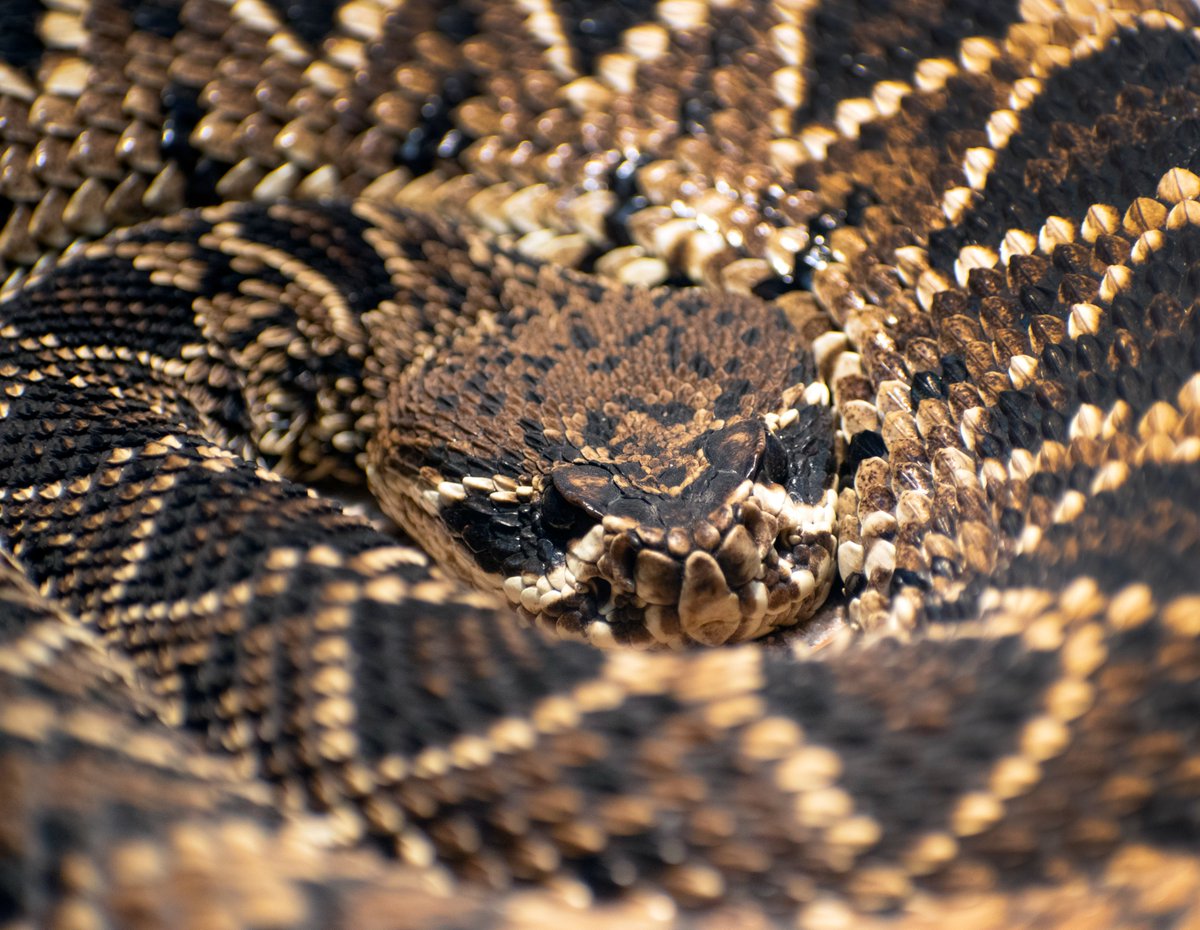
#VeterinaryTerminology of the Day Rosette - A specific type of coat pattern similar to spots comprised of a ring rather than a solid dot. One of the best ways to tell Leopards apart is that they have Rosettes instead of spots on their torso! #NashvilleZoo
#VeterinaryTerminology of the Day Remex - one of the large flight feathers of the wing of a bird. There are primary and secondary remiges. #nashvillezoo
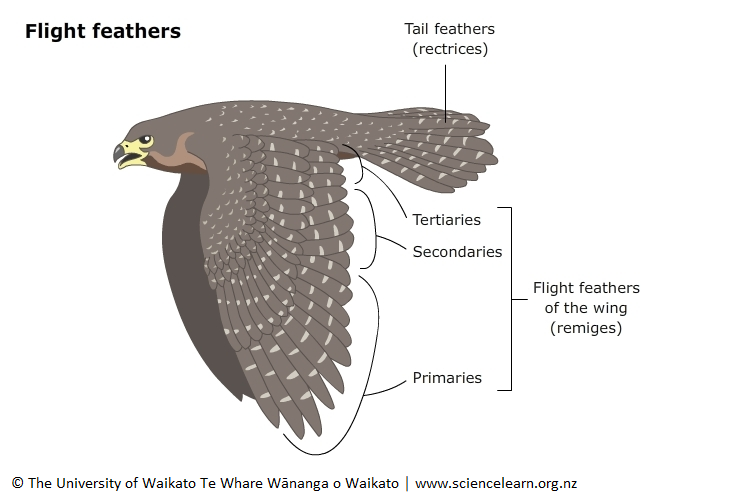
#VeterinaryTerminology of the Day Papilla (part 2) - a small, nipple-shaped projection or elevation. For example, goats and cows have buccal (mouth) papilla in their cheeks that assist with chewing and digestion. #nashvillezoo

#VeterinaryTerminology of the Day Cutaneous Gas Exchange - the ability of an animal to breathe primarily through its skin, rather than lungs or gills Hellbenders and many other Salamanders rely on Cutaneous Gas Exchange, making them extra vulnerable to pollution #NashvilleZoo
#VeterinaryTerminology of the Day Hyoid Bone - A small bone in the voice box critical for vocalization. Differences in the Hyoid Bone between different cat species allow some to purr and others to roar, but never both. #NashvilleZoo
#VeterinaryTerminology of the Day #Candling is when a light is held up to an egg in a darkened room to detect a developing embryo. Candling can help zoo staff know if an egg is viable or not. #nashvillezoo

#VeterinaryTerminology of the Day A #congenitaldefect is an abnormality that is present at birth, as a result of heredity or environmental influence such as a toxin or infection. Examples include scoliosis or a cleft palate. Our beautiful #Kangaroo Alinta was born with scoliosis
#VeterinaryTerminology of the Day A scute is an external bony or horny plate or scale covering the skin of some reptiles, such as the shell of a turtle. #Nashvillezoo
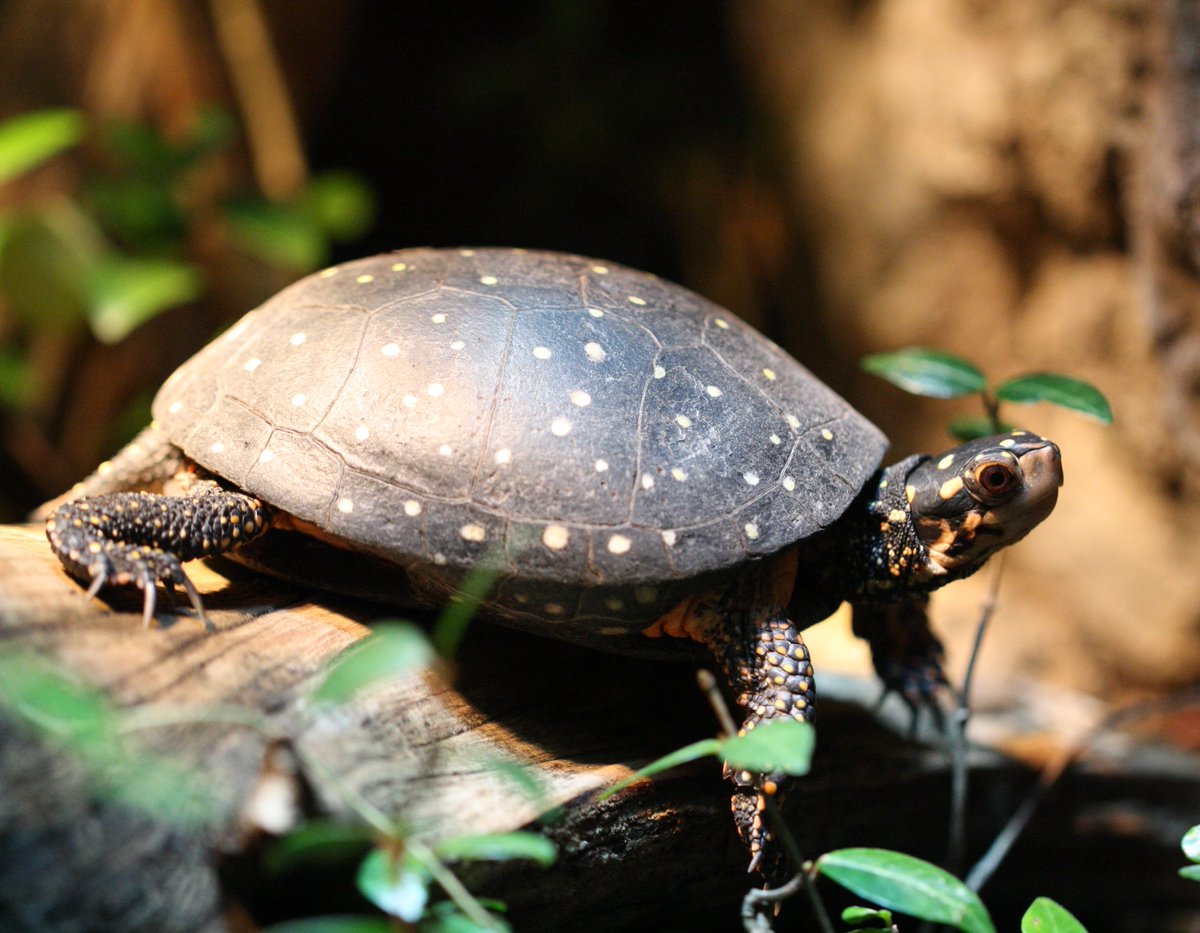
#VeterinaryTerminology of the Day! #Osteoderm - a bony plate that can be found under the skin of some animals that acts as armor. They are mostly found in reptiles but can also be found in some amphibians and even armadillos!


#VeterinaryTerminology of the Day Pelvic Fins - a paired group of fins on the underside of a fish, usually towards the rear, used for steering and stabilization
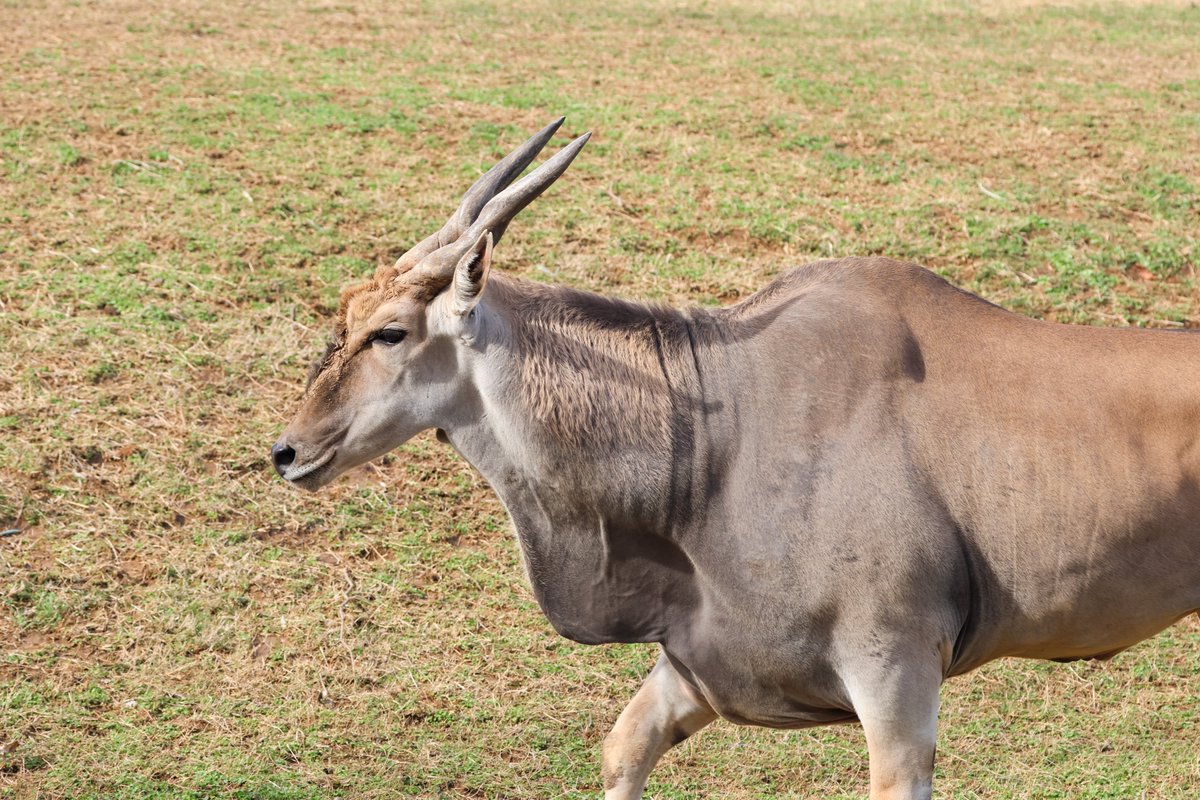
#VeterinaryTerminology Dewlap - a fleshy flap of skin located below the throat. Different animals have dewlaps for different reasons, from heat regulation to courtship display. (📷"Loki" the Eland)
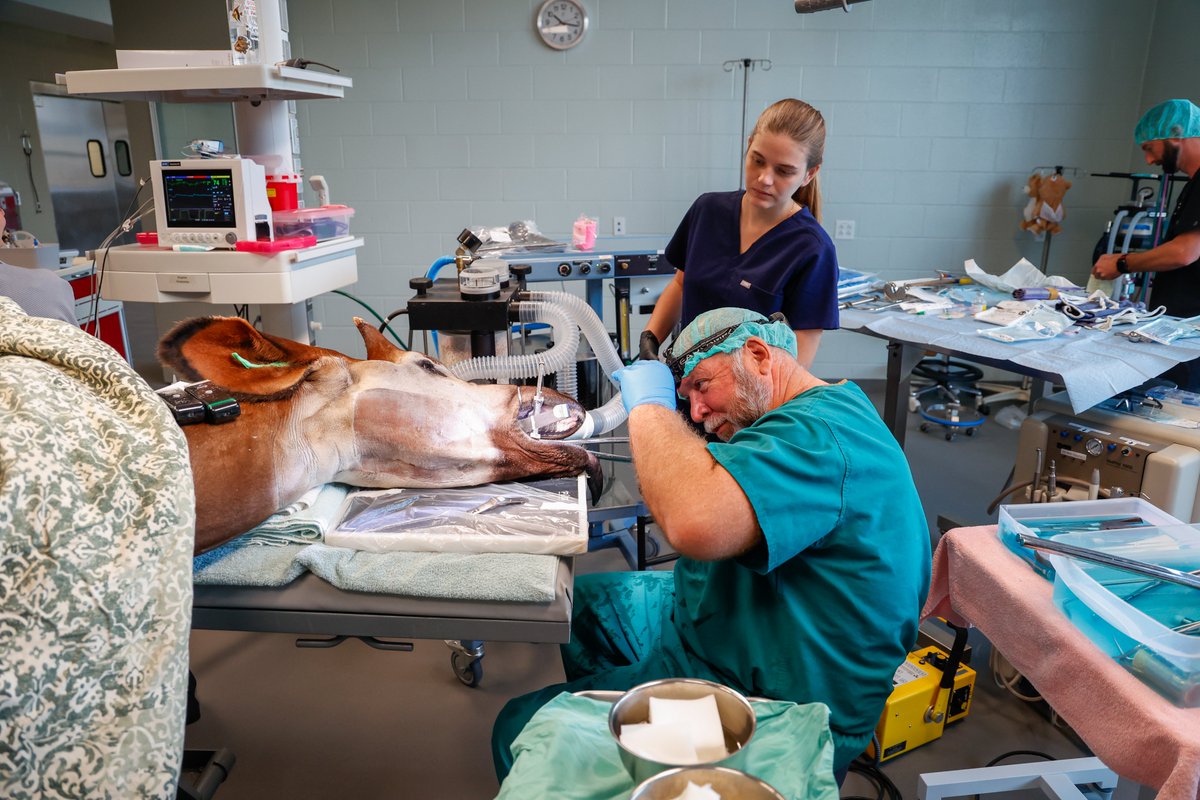
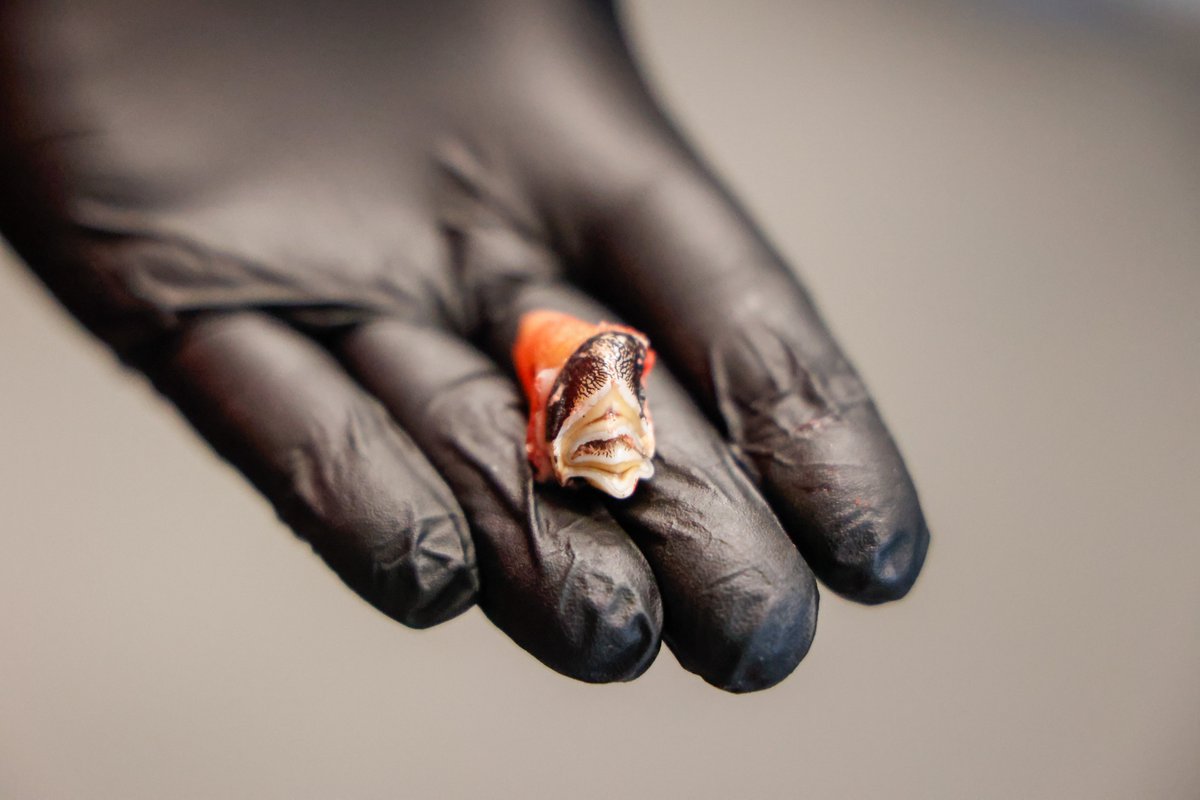
#VeterinaryTerminology of the Day Molar - a wide, flat-topped tooth in the back of the mouth used primarily for grinding. (Our Okapi Mosi 📷had a molar pulled back in November)
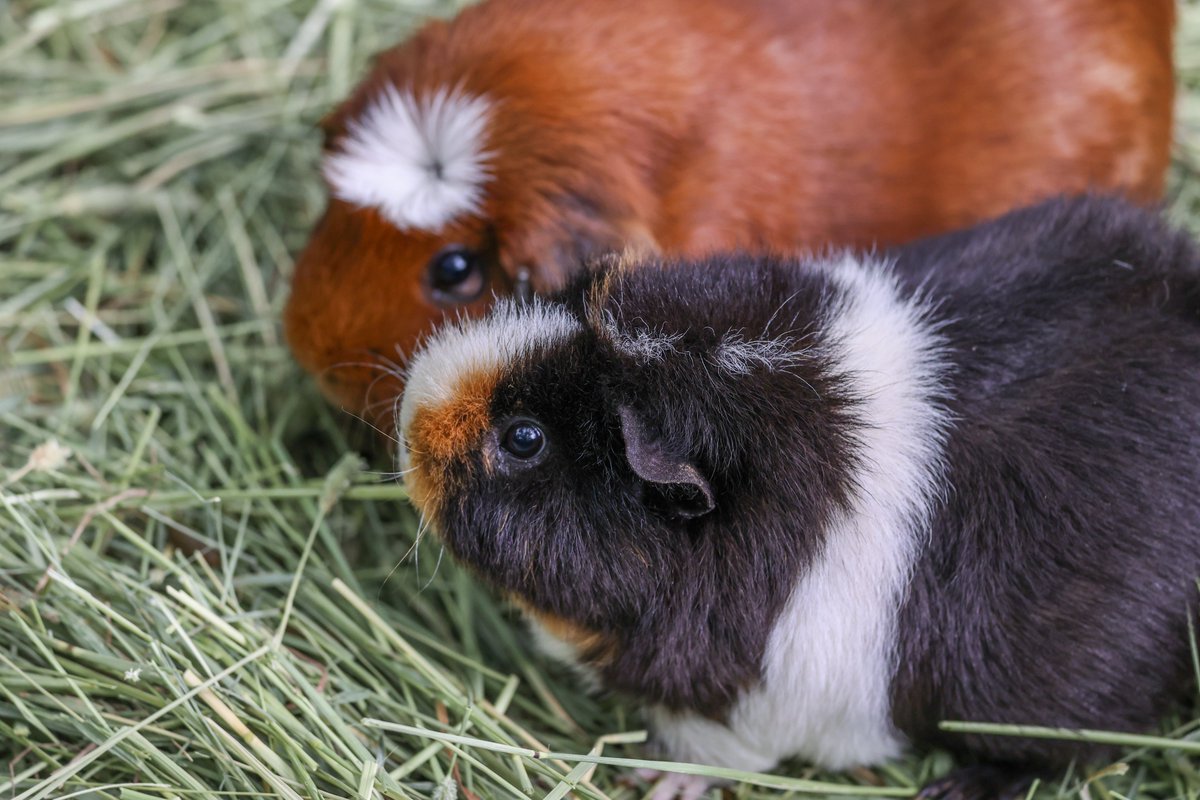
#VeterinaryTerminology of the Day Agouti, named after animal of the same name, is the appearance of a mottled coat color in rodents characterized by fur with bands of different colors. It is a highly recognized characteristic in many animals including guinea pigs! #NashvilleZoo
#VeterinaryTerminology of the Day Sedentary: is a term to describe an animal or human that does not move around a lot and instead maintains one home/territory position. Most Hornbill species including the #NashvilleZoo's Rhinoceros Hornbill occupy the same home range all year

#VeterinaryTerminology Ultrasonography: A diagnostic test that uses a machine which emits ultrasonic sound waves to produce a 2-dimensional image of the inside of a body cavity. Many of the animals here at #NashvilleZoo are trained to participate in ultrasounds!

#VeterinaryTerminology of the Day #Bumblefoot is the inflammation of the ball of the foot of birds and guinea pigs usually caused by infection with Staphylococcus spp. #nashvillezoo
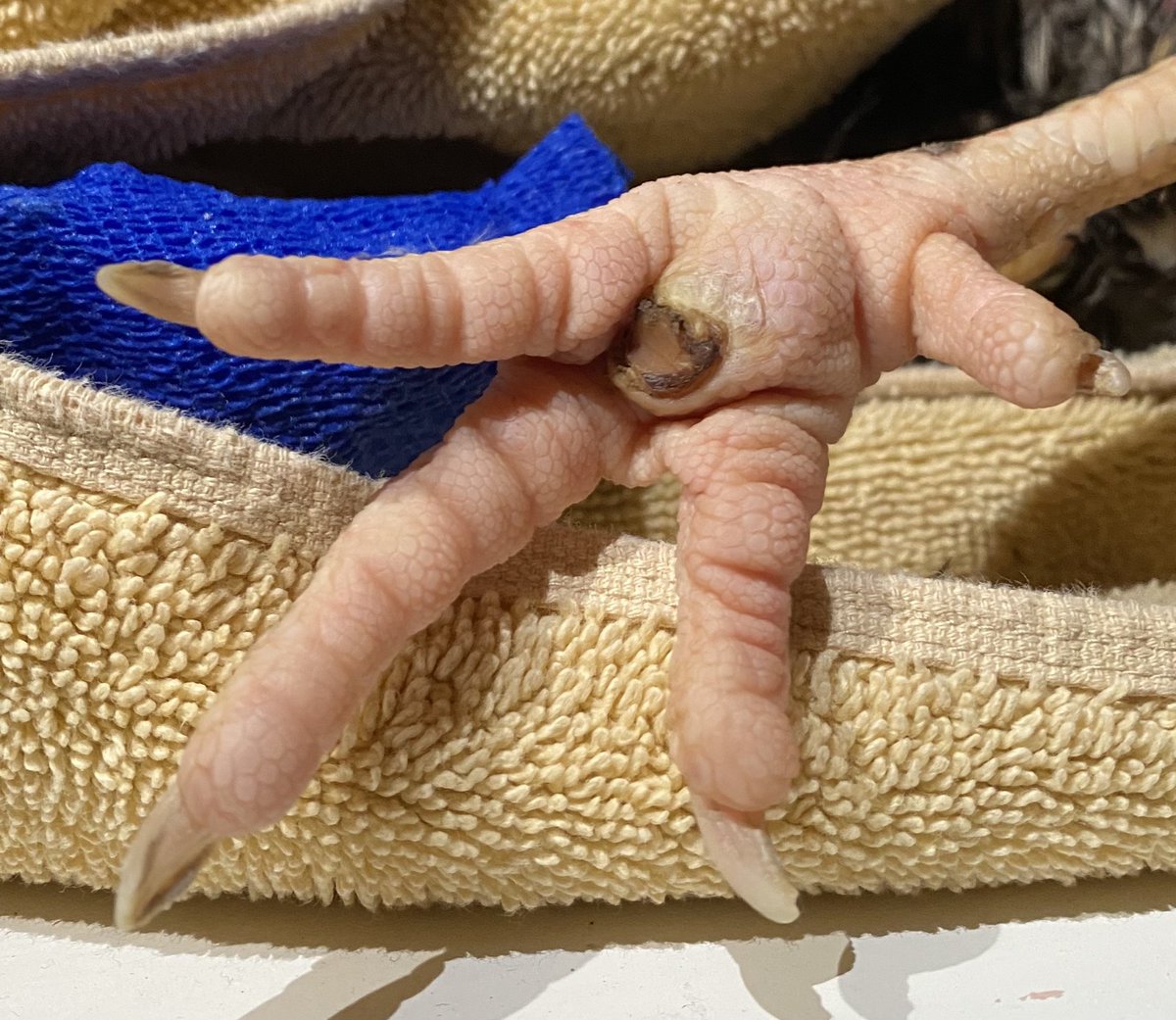
#VeterinaryTerminology Keratin - a fibrous structural protein that plays a crucial role in forming hair, hooves, horns, and various other biological structures.
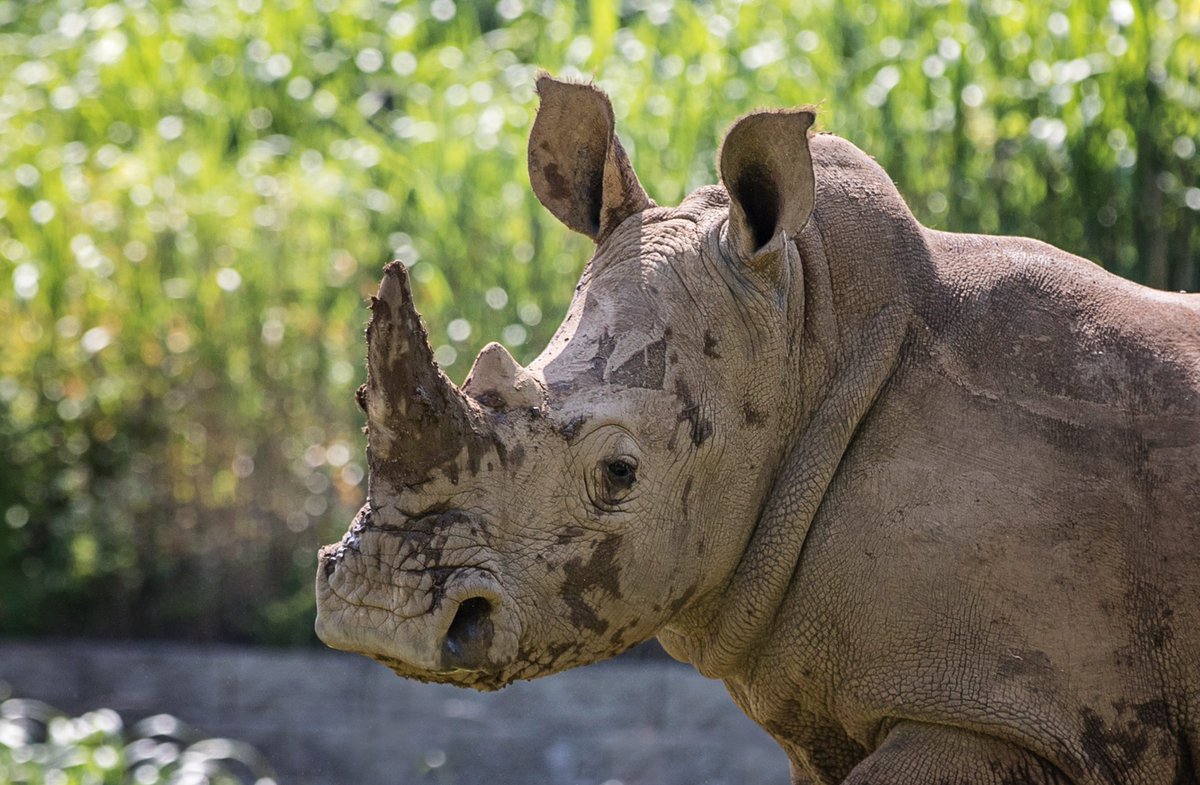
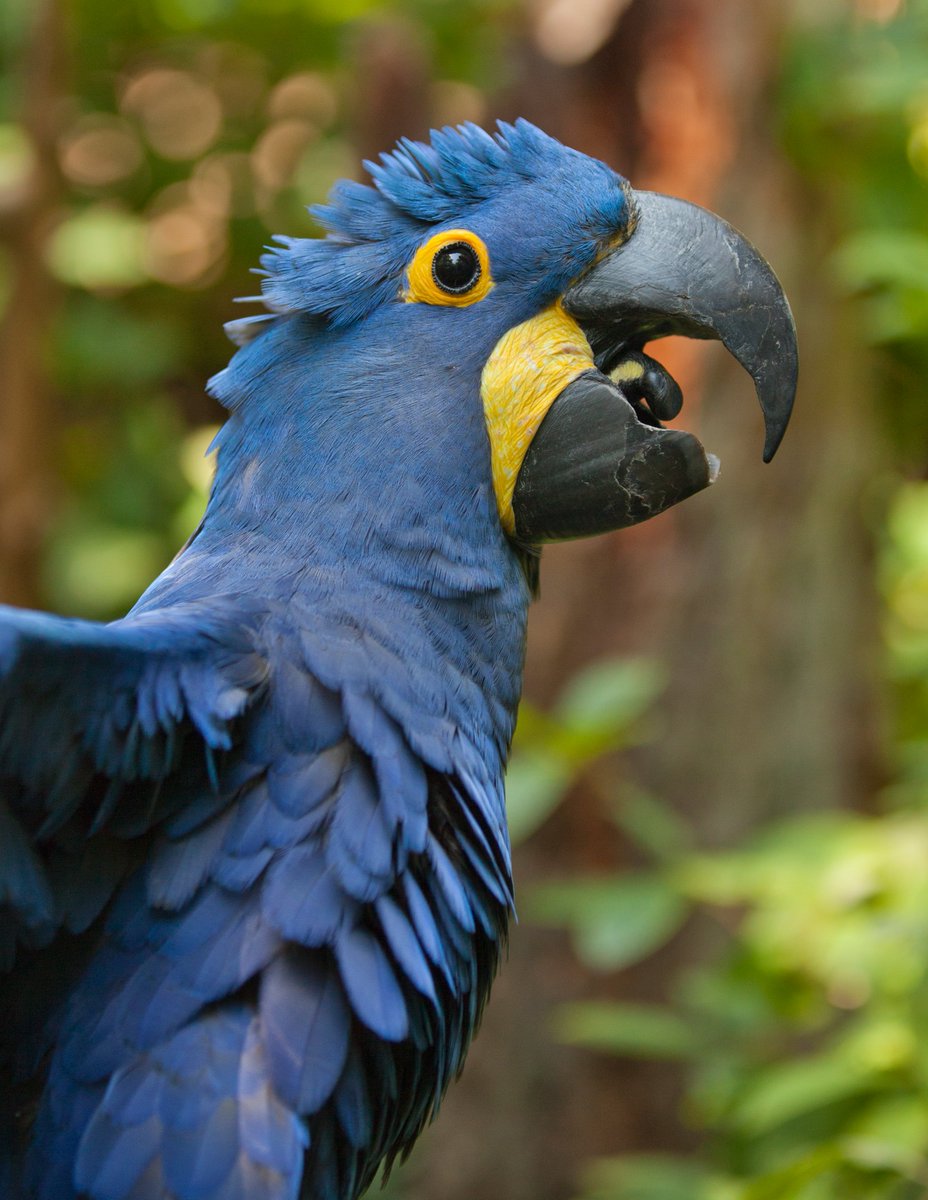
#VeterinaryTerminology Syrinx - the vocal organ of birds, located just above the lungs. Most other animals have a Larynx for producing sound, which is similar but much higher in the throat.
Something went wrong.
Something went wrong.
United States Trends
- 1. Iran N/A
- 2. Khamenei N/A
- 3. Israel N/A
- 4. #UFCMexico N/A
- 5. Corey Day N/A
- 6. Dubai N/A
- 7. Middle East N/A
- 8. IRGC N/A
- 9. #WWEChamber N/A
- 10. Islamic N/A
- 11. Regina Tarin N/A
- 12. Persian N/A
- 13. Iraq N/A
- 14. Sengun N/A
- 15. War Powers Act N/A
- 16. Netanyahu N/A
- 17. Death to America N/A
- 18. Tel Aviv N/A
- 19. #EliminationChamber N/A
- 20. Burj Al Arab N/A