
#volcanowatch search results

#VolcanoWatch this week commemorates Dick Fiske, who died on June 18 as he neared his 93rd birthday. He was one of the most original thinkers ever at the USGS Hawaiian Volcano Observatory (HVO). His ideas, interpretations, and concepts underlie much of current thinking about

Kīlauea’s past holds clues to today’s summit activity🌋 Analyses of tephra deposits show that high lava fountains—like those in Halemaʻumaʻu today—also erupted 500 years ago, around 1650, and in the early 1800s. Learn more: usgs.gov/observatories/… #VolcanoWatch #Kilauea #Tephra
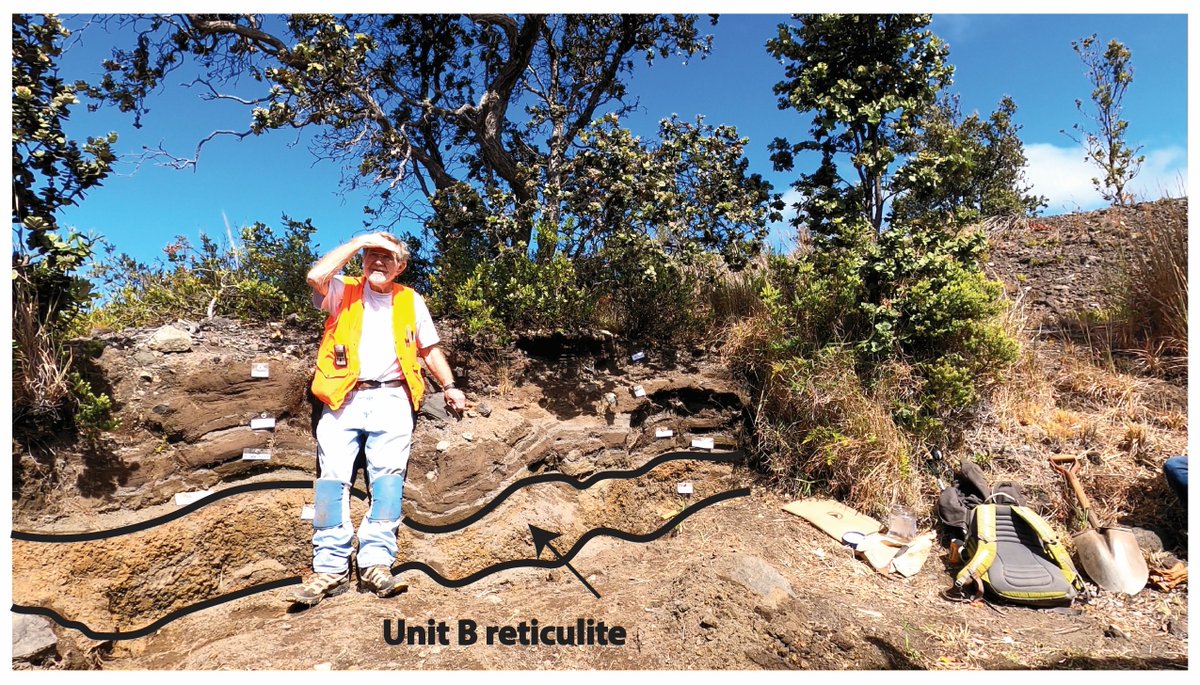
Fifty years ago this month, the largest Hawaii earthquake of the 20th and 21st centuries occurred. Earthquake shaking, as well as ground subsidence and local tsunami, contributed to a catastrophic sequence of events on November 29, 1975. Learn more in this week's #VolcanoWatch

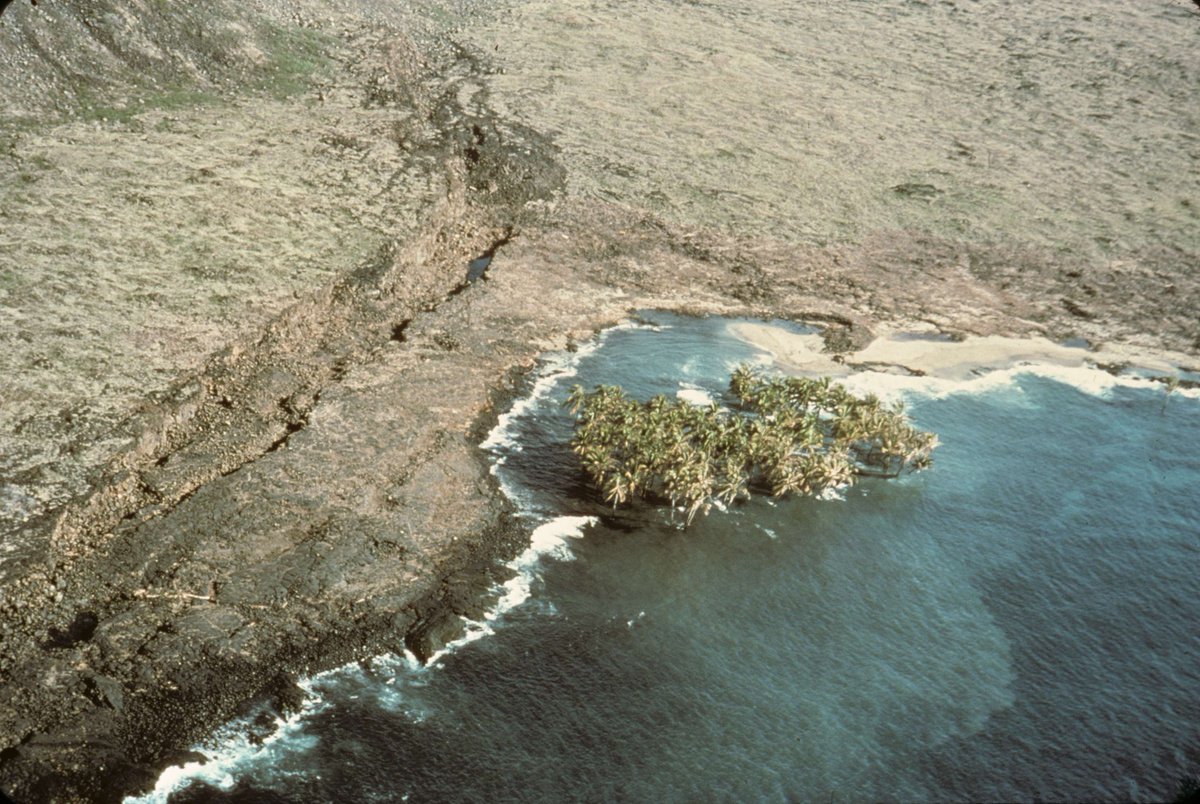
#VolcanoWatch summarizes episode 43 at Kīlauea, which lasted for 9 hours on March 10, with lava fountains up to 1,770 ft — the tallest of this eruption. Tephra fell across areas NE of the vents, prompting temporary road + park closures for cleanup. 200+ tephra reports helped
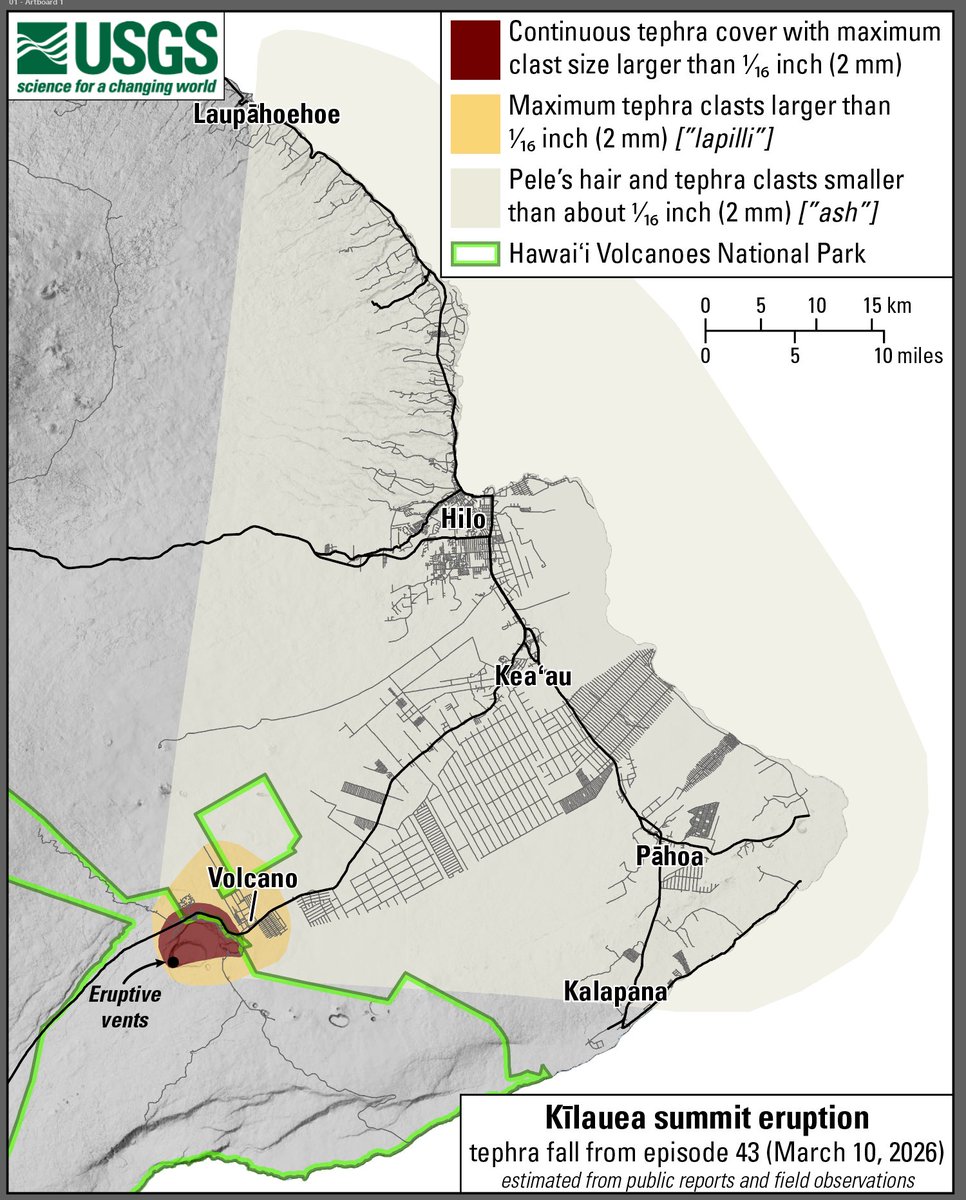

Dr. Thomas Lee, who grew up in Hilo, Hawaii, has joined the Geology Department faculty at the University of Hawaiʻi at Hilo. He shares his journey and seismic research focus in #VolcanoWatch this week: usgs.gov/observatories/…

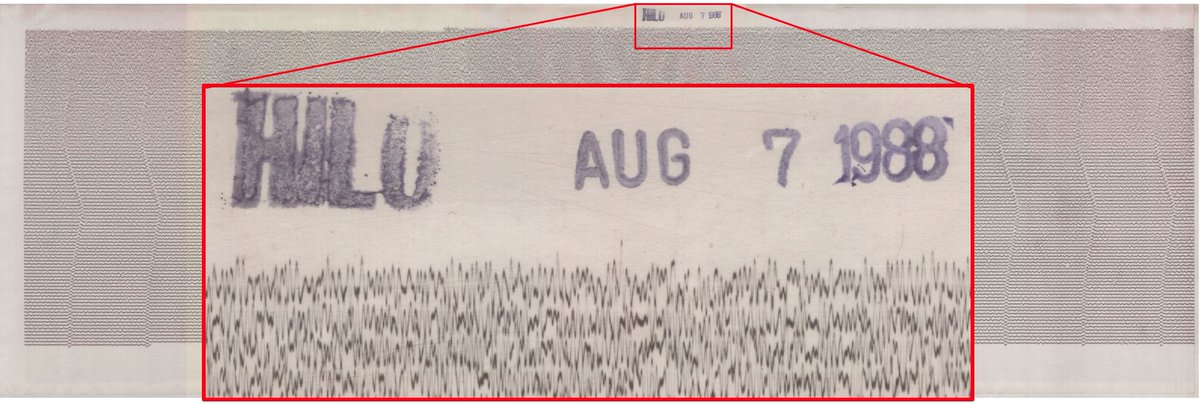

#VolcanoWatch this week looks back on the Kīlauea Iki eruption in 1959, with 17 episodes of lava fountaining similar to the ongoing eruption in Halemaʻumaʻu. Read about the 1959 eruption here: usgs.gov/observatories/…

#VolcanoWatch this week offers a key Kīlauea safety reminder: Closed areas of Hawaiʻi Volcanoes National Park are closed for a reason. High fountaining creates life-threatening hazards, and wind can carry hot tephra and volcanic glass farther than expected. Vog can even reach


#VolcanoWatch this week summarizes the natural events at Kīlauea’s summit last week, heavy tephra fallout on March 10 followed days later by a powerful Kona low, which echo the interactions of Pele, Lono, and Hiʻiaka described in Native Hawaiian oral traditions. 🌋🌧️🌱 Learn


#VolcanoWatch this week discusses volcano and earthquake monitoring in American Samoa: usgs.gov/observatories/…

This week's #VolcanoWatch article follows up on the legacy of the magnitude-7.7 earthquake on the south flank of Kīlauea, summarizing what we've learned in the 50 years since then. Read it here: usgs.gov/observatories/…
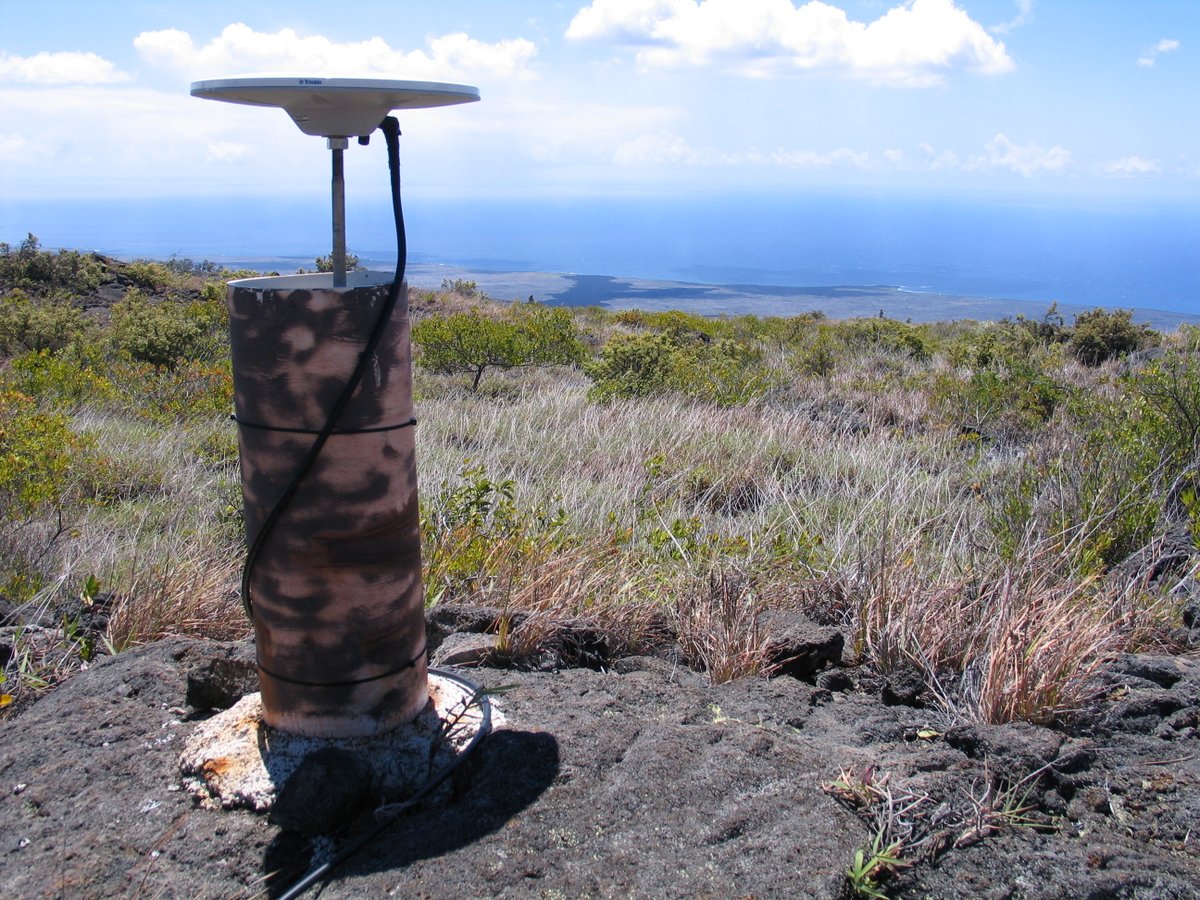

mauinow.com/2026/03/13/vol… As future eruptive episodes approach, monitor the weather forecast and follow guidance from Hawai‘i County Civil Defense so you can prepare for these events if you live in an area that could experience tephra fallout. #volcanowatch
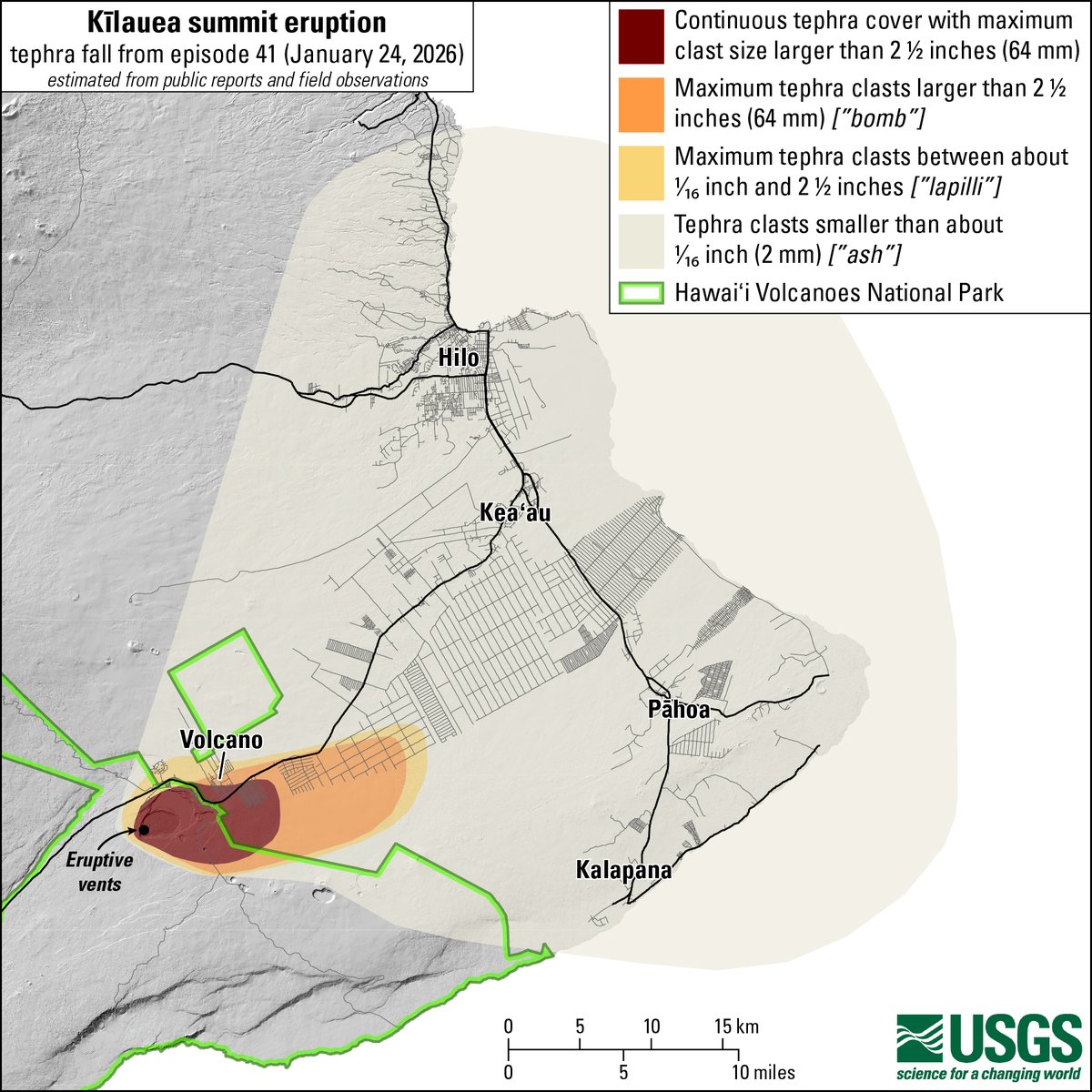
Where did the tephra fall during episode 41 of Kīlauea's summit eruption? Light winds sent material from the lava fountains across Puna, South Hilo & Kaʻū—roads closed temporarily and cleanup continues. Episode 42 forecast: Feb 9–20. Stay prepared! #VolcanoWatch this week has
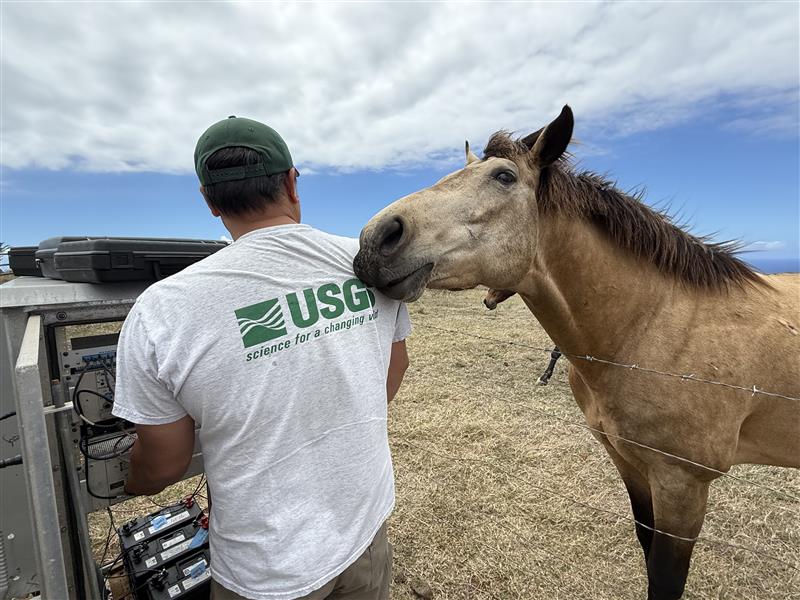
HVO monitors volcanic activity across the Hawaiian Islands and American Samoa, helping to ensure public safety and support scientific research. Behind the scenes, the work of field technicians is critical to this mission. #VolcanoWatch this week describes the unique set of
The summit eruption of Kīlauea continues, with 36 episodes of lava fountaining since the eruption began on December 23, 2024. In this week's #VolcanoWatch, let’s catch up on the events and hazards associated with the volcano’s most recent few eruptive episodes, and review the
New land in Hawaii is created when lava enters the ocean. It doesn't take long for wave action to begin erosion along these new coastlines. #VolcanoWatch this week describes the ongoing erosional processes acting on the 2018 Kīlauea lava delta: usgs.gov/observatories/… *Note that
mauinow.com/2025/08/16/vol… Volcano Watch: Some of Kīlauea’s past explosive eruptions occurred when magma erupted through groundwater or through a lake in a summit crater. #VolcanoWatch #HVO #Kilauea
mauinow.com/2026/03/28/vol… Geochemical analysis of erupted tephra samples over the past decade help scientists understand the temperature of Kīlauea’s shallow magma system under the summit—and things have been “heating up.” #VolcanoWatch
mauinow.com/2025/08/29/vol… Recently spotted cracks in the delta demonstrate the instability of solid lava along the coastal edge; the new cracks are alarming and have led people to wonder what they mean. #VolcanoWatch #Kilauea
From Pliny’s words in 79 A.D. to livestreams today—visual observations remain key to understanding volcanoes. 🌋 USGS webcams at Kīlauea let you watch eruptions in real time. “I ka nānā no a ‘ike” — By observing, one learns. Learn more in #VolcanoWatch: usgs.gov/observatories/…
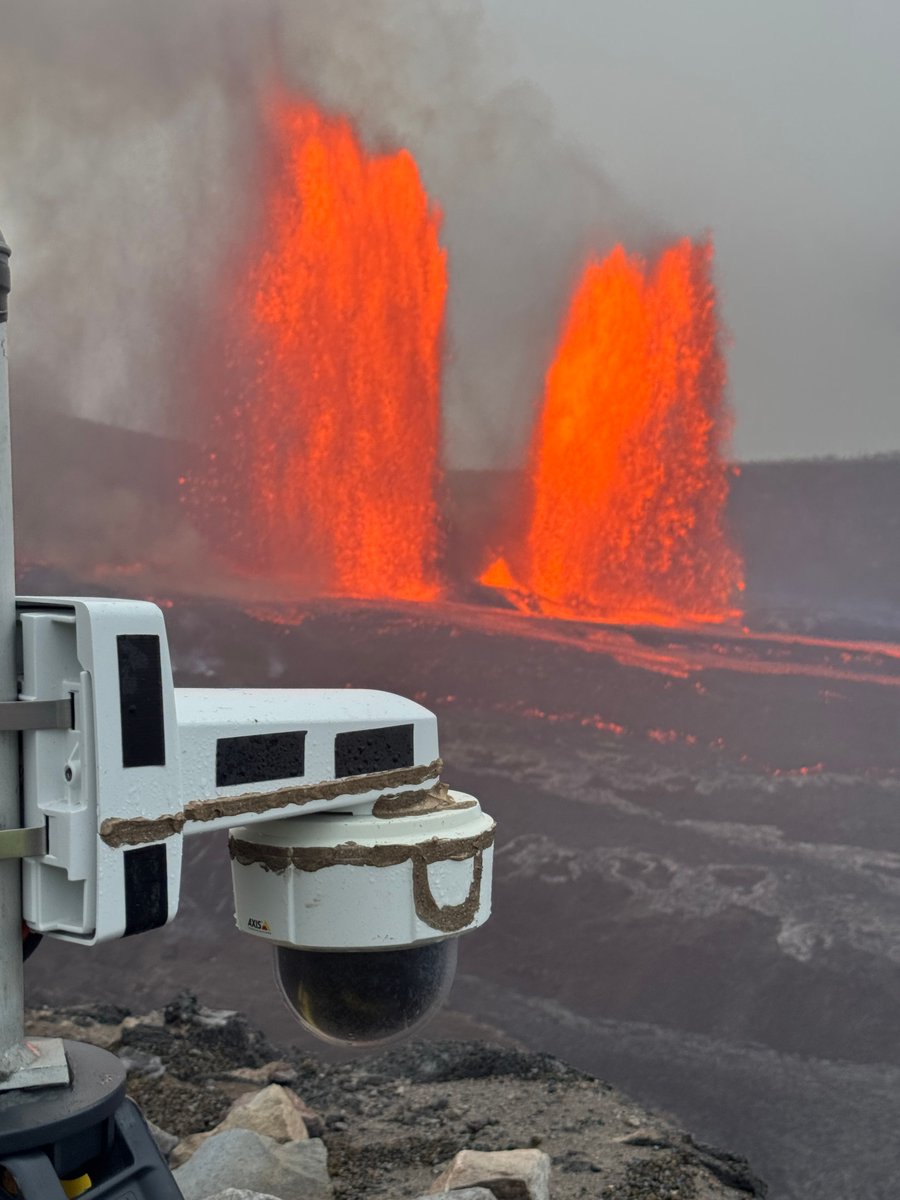
mauinow.com/2026/04/11/vol… A look further back in the geologic record reveals that several lava fountaining eruptions similar to the ongoing one in Halemaʻumaʻu occurred within Kīlauea caldera within the past 500 years. #VolcanoWatch
Kīlauea’s past holds clues to today’s summit activity🌋 Analyses of tephra deposits show that high lava fountains—like those in Halemaʻumaʻu today—also erupted 500 years ago, around 1650, and in the early 1800s. Learn more: usgs.gov/observatories/… #VolcanoWatch #Kilauea #Tephra

Mayon Volcano continues to awe and remind us of nature’s raw power. 🌋 Lava fountains, ash clouds, and glowing flows, 91 days and counting. #MayonVolcano #VolcanoWatch #PhilippineNews #NaturePower
mauinow.com/2026/03/28/vol… Geochemical analysis of erupted tephra samples over the past decade help scientists understand the temperature of Kīlauea’s shallow magma system under the summit—and things have been “heating up.” #VolcanoWatch
#VolcanoWatch this week summarizes the natural events at Kīlauea’s summit last week, heavy tephra fallout on March 10 followed days later by a powerful Kona low, which echo the interactions of Pele, Lono, and Hiʻiaka described in Native Hawaiian oral traditions. 🌋🌧️🌱 Learn

🇫🇷 Lava from Piton de la Fournaise pours into the ocean at Réunion Island, forming clouds of steam and striking visuals, highlighting one of the world’s most active volcanoes in a breathtaking moment. #VolcanoWatch #ReunionIsland #PitonDeLaFournaise
mauinow.com/2026/03/13/vol… As future eruptive episodes approach, monitor the weather forecast and follow guidance from Hawai‘i County Civil Defense so you can prepare for these events if you live in an area that could experience tephra fallout. #volcanowatch
#VolcanoWatch summarizes episode 43 at Kīlauea, which lasted for 9 hours on March 10, with lava fountains up to 1,770 ft — the tallest of this eruption. Tephra fell across areas NE of the vents, prompting temporary road + park closures for cleanup. 200+ tephra reports helped

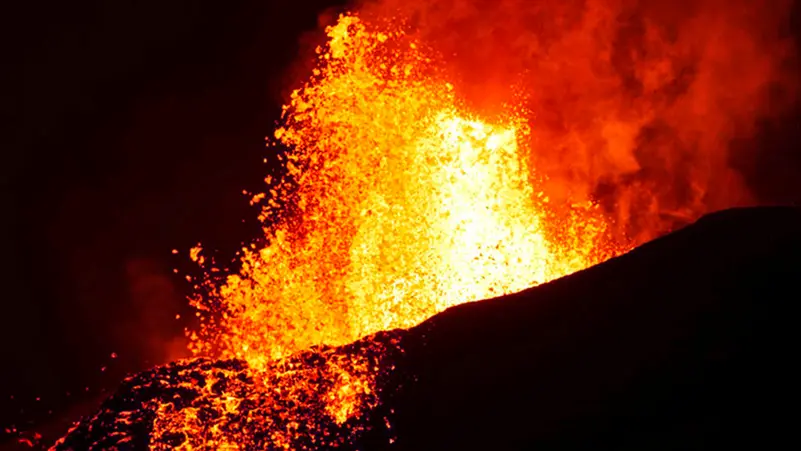
Hawaii’s Kīlauea volcano goes wild again! 🌋 Lava fountains shooting up 1,000 ft 300m🚀 Authorities closed parts of the park & a highway due to volcanic glass & ash 😳 #Hawaii #Kīlauea #VolcanoWatch #NaturePower

🌋 India’s only active volcano—Barren Island in Andaman—erupted twice in 8 days after a 4.2 quake. No land access, but cruise tours offer surreal views. Nature’s fury meets ocean beauty. #GhoomneChalo #VolcanoWatch #AndamanAdventures #TravelUpdate #portblair #havelockislands

🚨India's only active volcano, Barren Island, just reminded us it's alive—two minor eruptions in 8 days! Nature’s power, right in our backyard. Stay curious, stay amazed. 🌋🔥 #BarrenIsland #VolcanoWatch #NatureUnleashed

#VolcanoWatch this week discusses volcano and earthquake monitoring in American Samoa: usgs.gov/observatories/…
Dr. Thomas Lee, who grew up in Hilo, Hawaii, has joined the Geology Department faculty at the University of Hawaiʻi at Hilo. He shares his journey and seismic research focus in #VolcanoWatch this week: usgs.gov/observatories/…
mauinow.com/2025/08/29/vol… Recently spotted cracks in the delta demonstrate the instability of solid lava along the coastal edge; the new cracks are alarming and have led people to wonder what they mean. #VolcanoWatch #Kilauea

Kick-’em-Jenny submarine volcano rumbles with 800 tremors in 10 hours—seismic alert raised to Yellow, mariners must keep 1.5 km distance. #Grenada #KickEmJenny #VolcanoWatch #SeismicActivity #CaribbeanNews associatestimes.com/news/grenadas-…

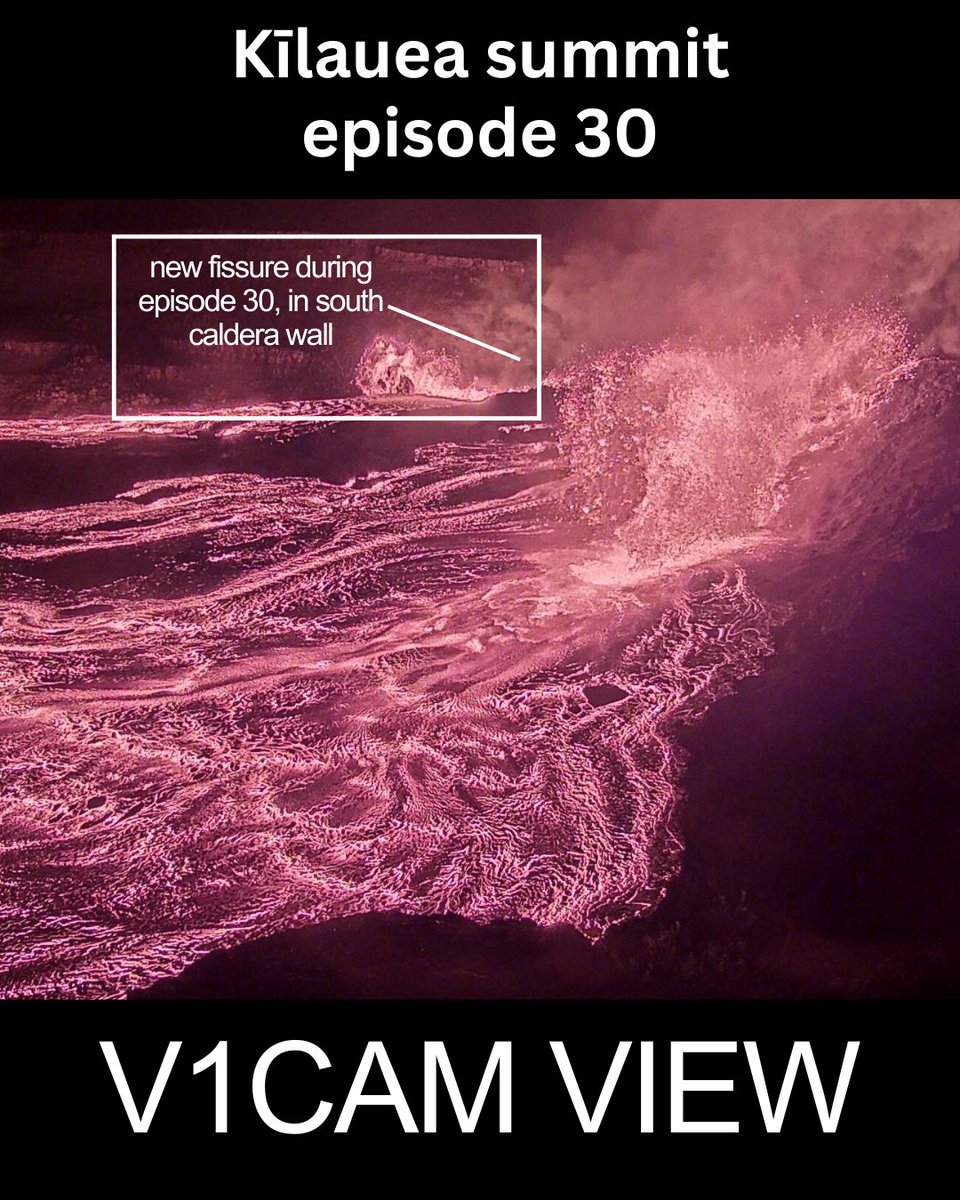
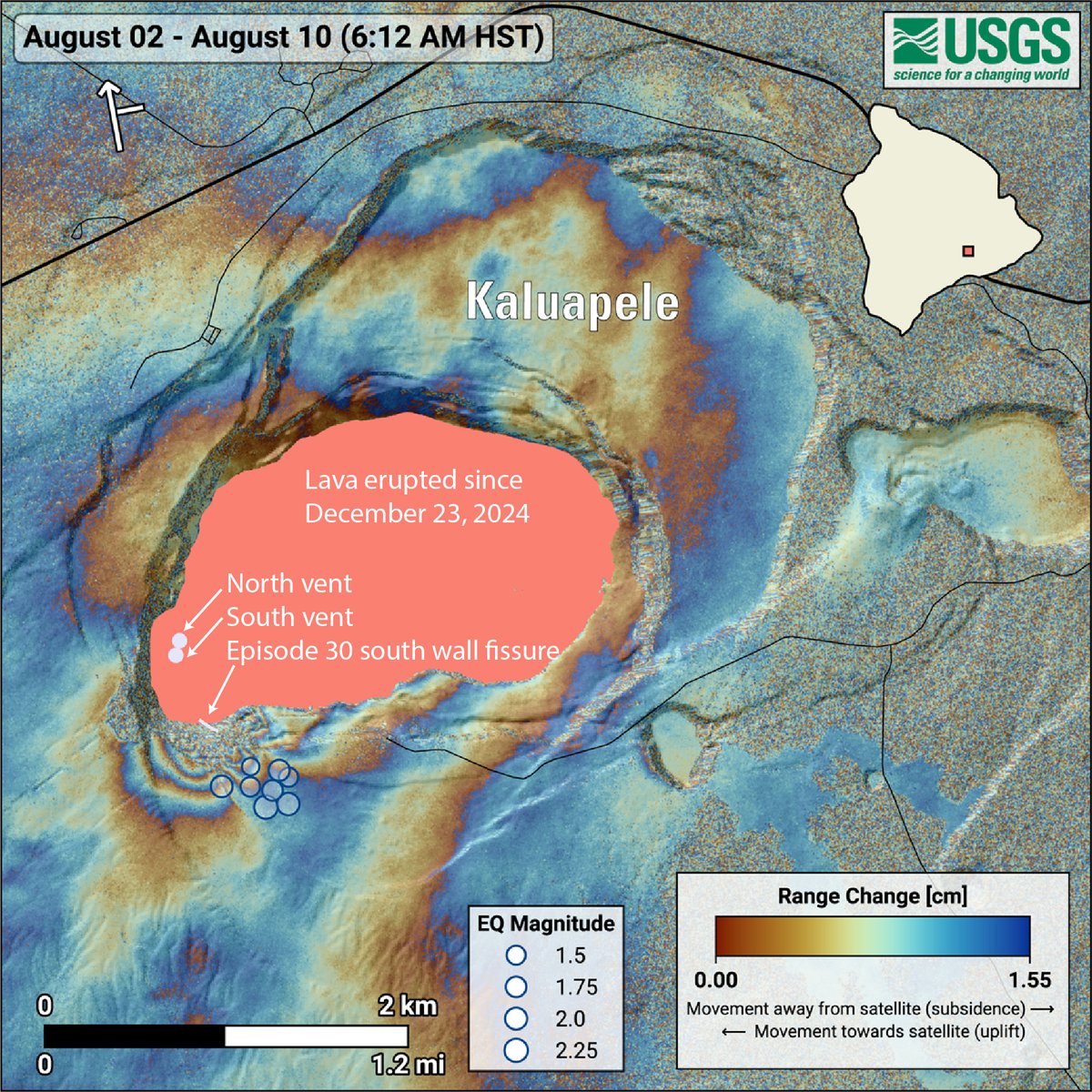
#VolcanoWatch this week is on the fringes and fractures associated with the new fissure that opened in the south wall of Kīlauea caldera during episode 30 of the ongoing summit eruption. Curious? Read more here: usgs.gov/observatories/…

Undersea volcano quaking 1,000 times a day—could erupt in 2025, scientists warn. Ocean mysteries are alive again—ecosystems and seismologists are watching closely. #EarthScience #VolcanoWatch

1,000 tremors a day but no drama yet. Deep-sea volcano stirring beneath the Pacific hints at 2025 eruption. Underwater rumblings, above-ground curiosity. #VolcanoWatch #ScienceNews #EarthMysteries
mauinow.com/2025/08/16/vol… Volcano Watch: Some of Kīlauea’s past explosive eruptions occurred when magma erupted through groundwater or through a lake in a summit crater. #VolcanoWatch #HVO #Kilauea

Drones map volcanoes x alert tweet eruptions live gisapis blockchain secures no timber #volcanowatch

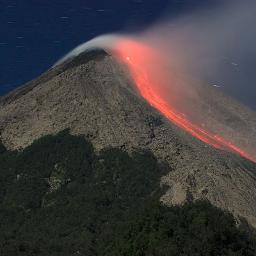




HVO monitors volcanic activity across the Hawaiian Islands and American Samoa, helping to ensure public safety and support scientific research. Behind the scenes, the work of field technicians is critical to this mission. #VolcanoWatch this week describes the unique set of
Kīlauea’s past holds clues to today’s summit activity🌋 Analyses of tephra deposits show that high lava fountains—like those in Halemaʻumaʻu today—also erupted 500 years ago, around 1650, and in the early 1800s. Learn more: usgs.gov/observatories/… #VolcanoWatch #Kilauea #Tephra
#VolcanoWatch this week looks back on the Kīlauea Iki eruption in 1959, with 17 episodes of lava fountaining similar to the ongoing eruption in Halemaʻumaʻu. Read about the 1959 eruption here: usgs.gov/observatories/…
Dr. Thomas Lee, who grew up in Hilo, Hawaii, has joined the Geology Department faculty at the University of Hawaiʻi at Hilo. He shares his journey and seismic research focus in #VolcanoWatch this week: usgs.gov/observatories/…
#VolcanoWatch this week discusses volcano and earthquake monitoring in American Samoa: usgs.gov/observatories/…
New Tephra Tool! #VolcanoWatch this week introduces a new way for you to report if tephra is falling during Kīlauea fountaining episodes. Read more at: usgs.gov/observatories/…

March 27 marks the anniversary of the onset of Mauna Loa’s dramatic 1868 eruption. New research suggests the eruption might have included a collapse at the volcano’s summit—similar to what happened at Kīlauea in 2018. #VolcanoWatch usgs.gov/observatories/…

Fifty years ago this month, the largest Hawaii earthquake of the 20th and 21st centuries occurred. Earthquake shaking, as well as ground subsidence and local tsunami, contributed to a catastrophic sequence of events on November 29, 1975. Learn more in this week's #VolcanoWatch

DYK--a "noisy" ocean can help scientists monitor volcanoes? Learn how in this week's #VolcanoWatch: usgs.gov/observatories/…
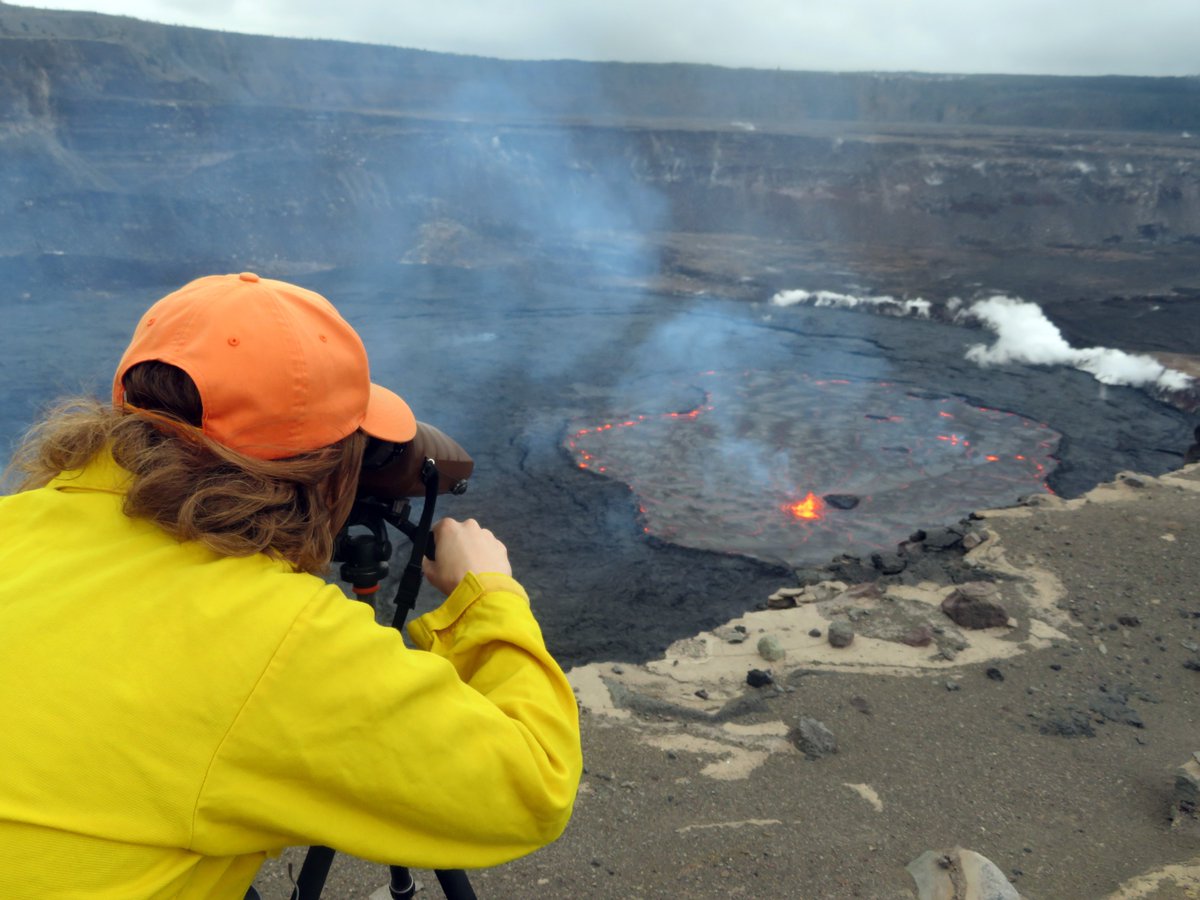
#VolcanoWatch this week is on the fringes and fractures associated with the new fissure that opened in the south wall of Kīlauea caldera during episode 30 of the ongoing summit eruption. Curious? Read more here: usgs.gov/observatories/…
#VolcanoWatch this week offers a key Kīlauea safety reminder: Closed areas of Hawaiʻi Volcanoes National Park are closed for a reason. High fountaining creates life-threatening hazards, and wind can carry hot tephra and volcanic glass farther than expected. Vog can even reach
#VolcanoWatch this week commemorates Dick Fiske, who died on June 18 as he neared his 93rd birthday. He was one of the most original thinkers ever at the USGS Hawaiian Volcano Observatory (HVO). His ideas, interpretations, and concepts underlie much of current thinking about
#Kīlauea summit lava fountains have shined a spotlight on Hawaii’s most active volcano but let us not forget the larger one looming in the background...Mauna Loa and the significantly damaging eruption that occurred there 75 years ago. #VolcanoWatch: usgs.gov/observatories/…

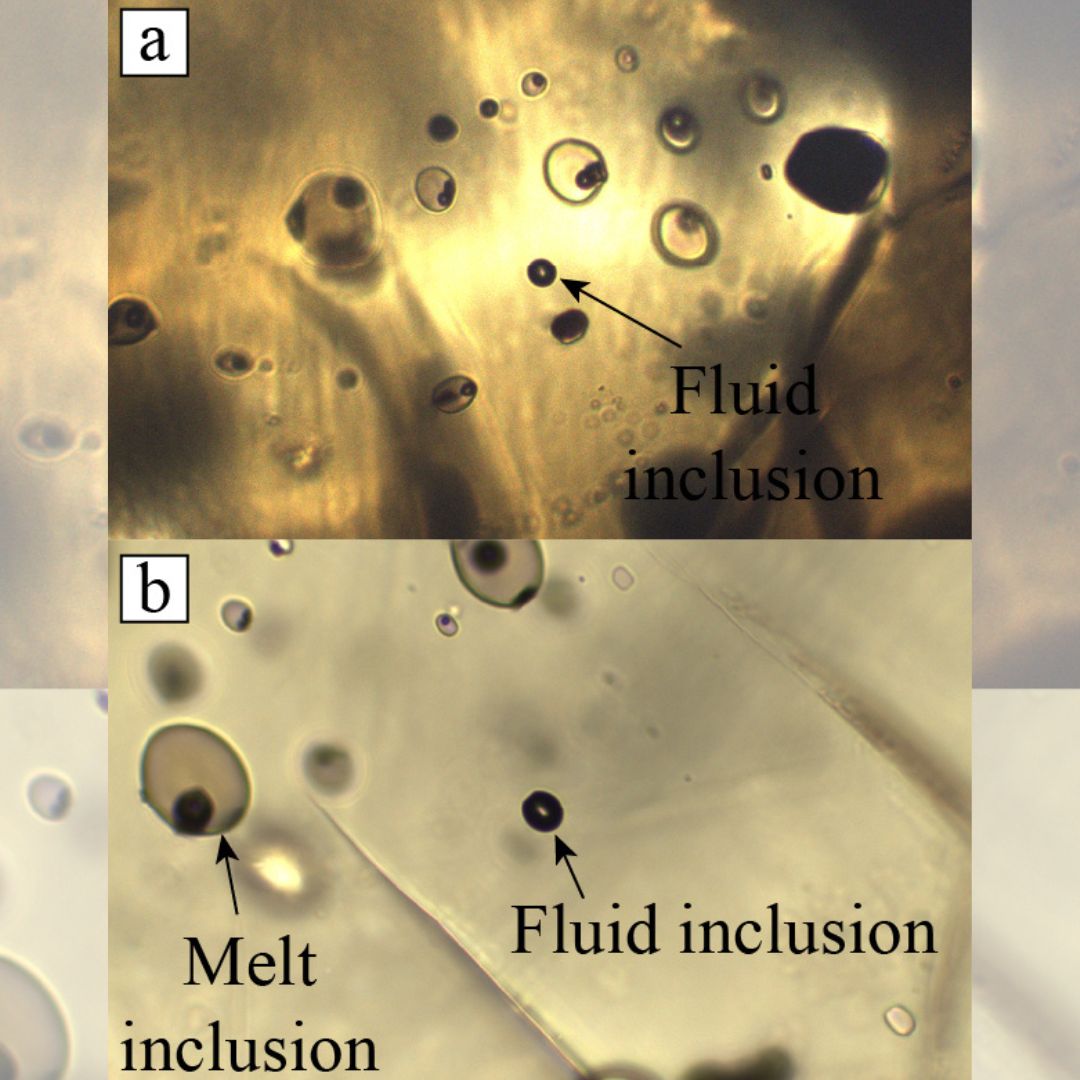
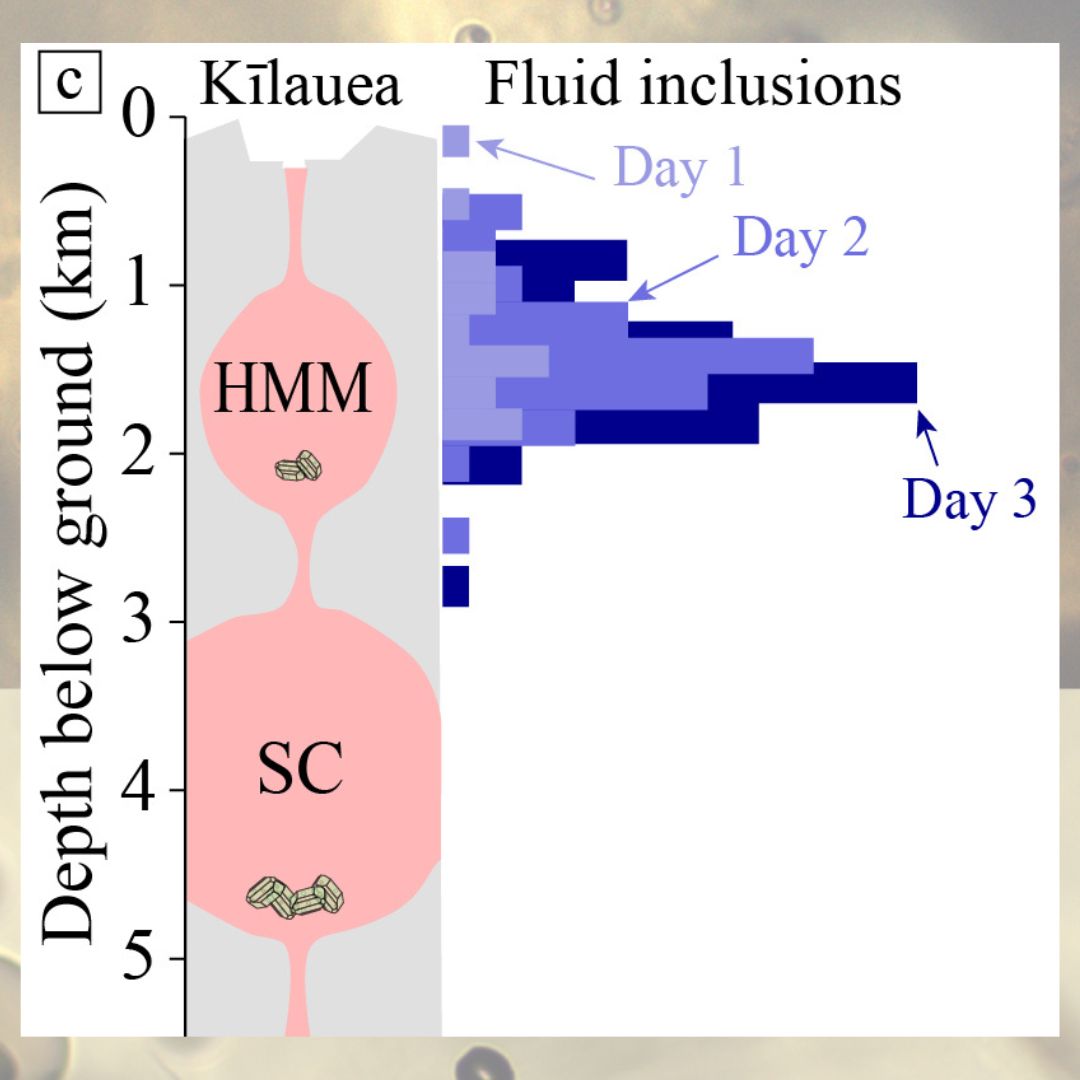
As magma rises, pressure drops, gas bubbles form & gas can become trapped in growing crystals. By measuring gas densities, scientists can determine the depth where gas became trapped and hence the depth of magma storage before an eruption. #VolcanoWatch usgs.gov/observatories/…
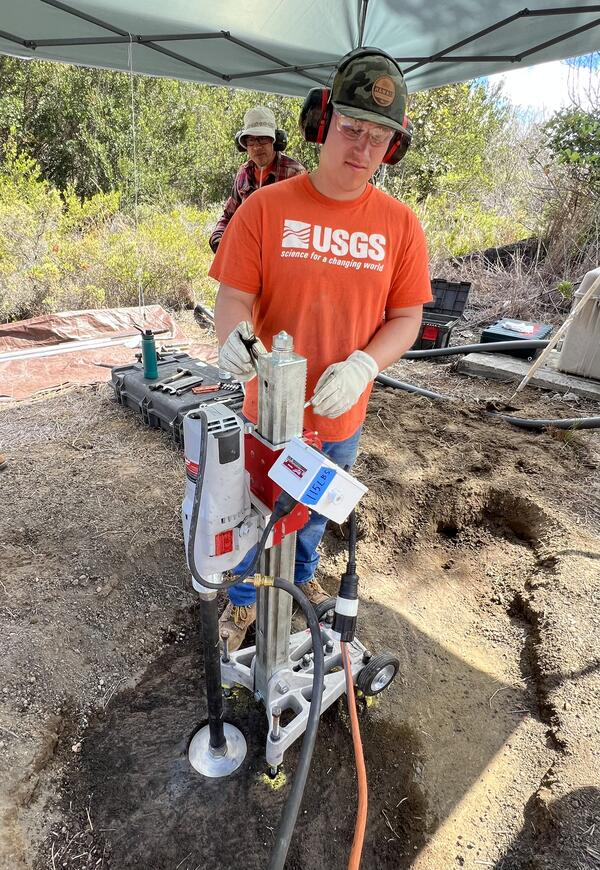
Boring, but never dull—This week’s “Volcano Watch” focuses on the installation process of newly upgraded seismometers that are used to detect and locate earthquakes: usgs.gov/observatories/… #VolcanoWatch #HVO
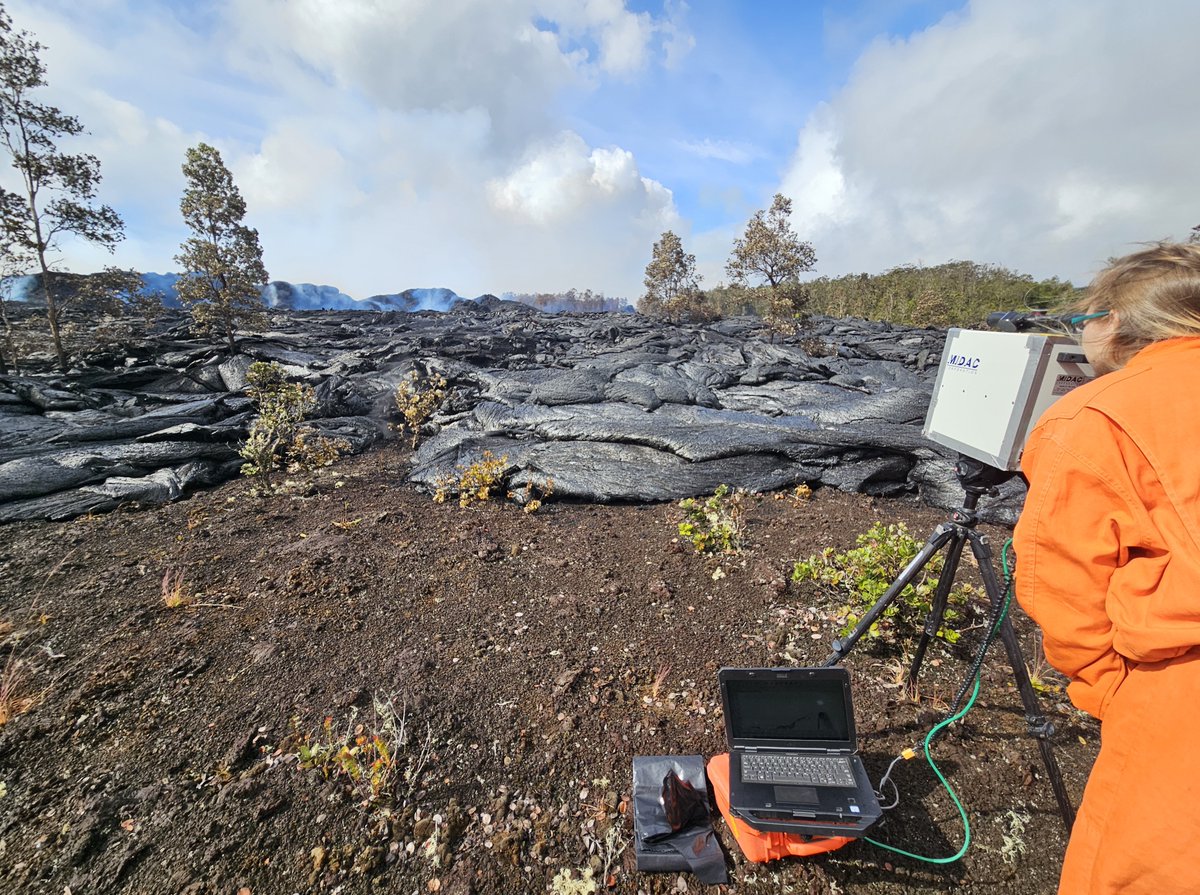
From Pliny’s words in 79 A.D. to livestreams today—visual observations remain key to understanding volcanoes. 🌋 USGS webcams at Kīlauea let you watch eruptions in real time. “I ka nānā no a ‘ike” — By observing, one learns. Learn more in #VolcanoWatch: usgs.gov/observatories/…
#VolcanoWatch this week summarizes the natural events at Kīlauea’s summit last week, heavy tephra fallout on March 10 followed days later by a powerful Kona low, which echo the interactions of Pele, Lono, and Hiʻiaka described in Native Hawaiian oral traditions. 🌋🌧️🌱 Learn
#VolcanoWatch summarizes episode 43 at Kīlauea, which lasted for 9 hours on March 10, with lava fountains up to 1,770 ft — the tallest of this eruption. Tephra fell across areas NE of the vents, prompting temporary road + park closures for cleanup. 200+ tephra reports helped
It was a dark & stormy night when the Nāpau Crater eruption began Sept 15, 2024. Webcams were no help. But residents of Volcano took to social media to report sulfurous odors & burning smells. Degassing indicated an eruption was underway. #VolcanoWatch usgs.gov/observatories/…
Something went wrong.
Something went wrong.
United States Trends
- 1. #TSTTPD N/A
- 2. Good Sunday N/A
- 3. #이_순간_종성의_세계야 N/A
- 4. #JAYKeepsTheENGENEsON N/A
- 5. Everton N/A
- 6. #ENHYPEN_JAY N/A
- 7. FUEL OF HAPPINESS WITH JAY N/A
- 8. Muhammad Qasim N/A
- 9. Bengals N/A
- 10. #EVELIV N/A
- 11. $RISE N/A
- 12. NO MORE MR. NICE GUY N/A
- 13. Sunday Funday N/A
- 14. Isak N/A
- 15. Happy Birthday Maye N/A
- 16. Blue Origin N/A
- 17. Gakpo N/A
- 18. Iowa City N/A
- 19. Konate N/A
- 20. Dexter Lawrence N/A