
Cass HS APES
@CassAPES
The Official Cass High School APES twitter feed.
You might like


But it's worth a reminder, at this time of year, that the exam score is only one measure of the experience. I always enjoy scanning questions that even students who earn a 1 tend to get right, unlike most of us adults. AP Environmental Science has an indisputable value/relevance.
A few other hypotheses from teachers about why AP Env Sci scores are generally lower than other subjects': students not taking standard pre-req high school Bio & Chem classes first; not focusing on the mathematics in a college-level environmental science class; too much content.
The reason there aren’t more 5s on AP Environmental Science: strong performance on multiple-choice, but generally weak performance on the open-ended questions. Here are the averages this year. FRQ1: 4/10 pts; FRQ2: 3/10 pts; FRQ3: 5/10 pts; FRQ4: 3/10 pts. spr.ly/6010DY6jj
The 2018 AP Environmental Science scores: 5: 8.5%; 4: 23.9%; 3: 15.1%; 2: 26.1%; 1: 26.4%. Overall, this is a slight decline in student performance from 2017.
AP Environmental Science students generally performed quite well on the multiple-choice questions, especially those about “the living world.” The topic that had the lowest multiple-choice performance was pollution.
AP Environmental Science FRQ2 on wind energy was by far the most challenging task on this year’s exam; 20% of students scored 0/10 points on it: spr.ly/6011DY6kl
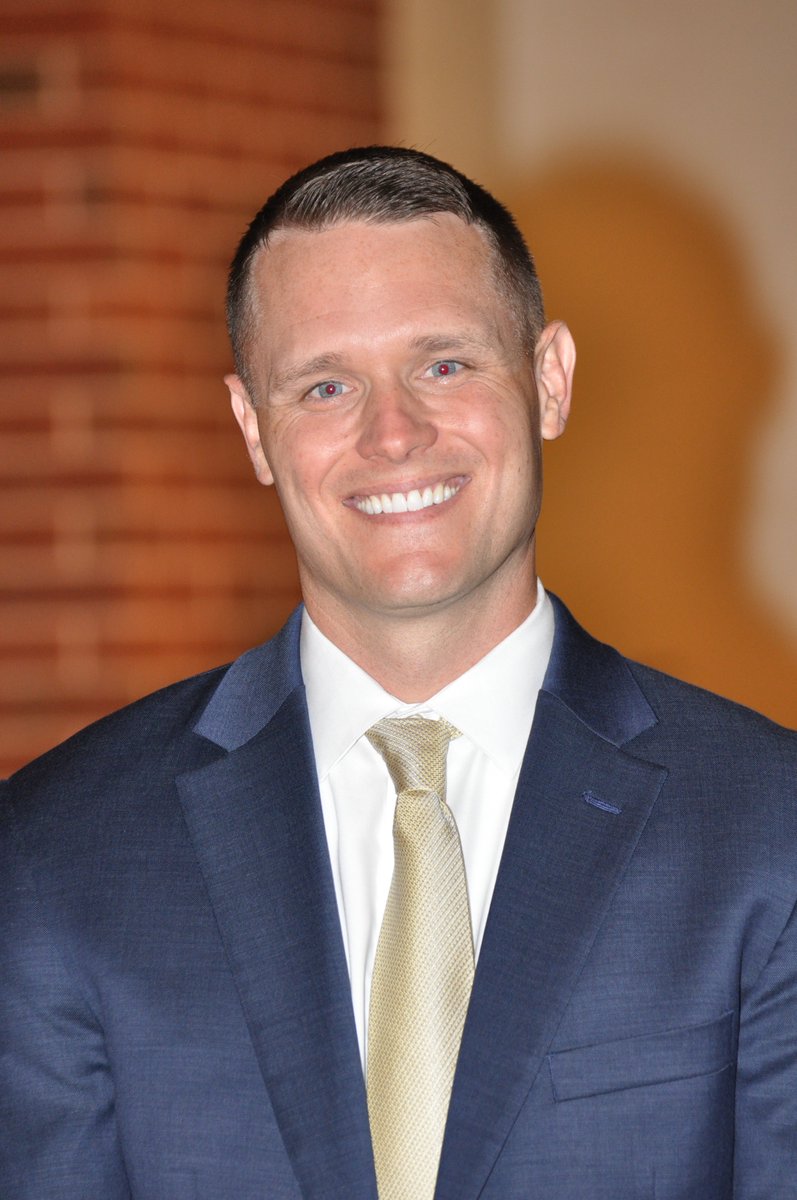
THERE'S A NEW COLONEL IN TOWN: Meet Principal Stephen Revard! We're excited to introduce you to Cass High's newest addition! He comes to us from North Cobb High School where he taught for six years and served as an administrator for the last four years.
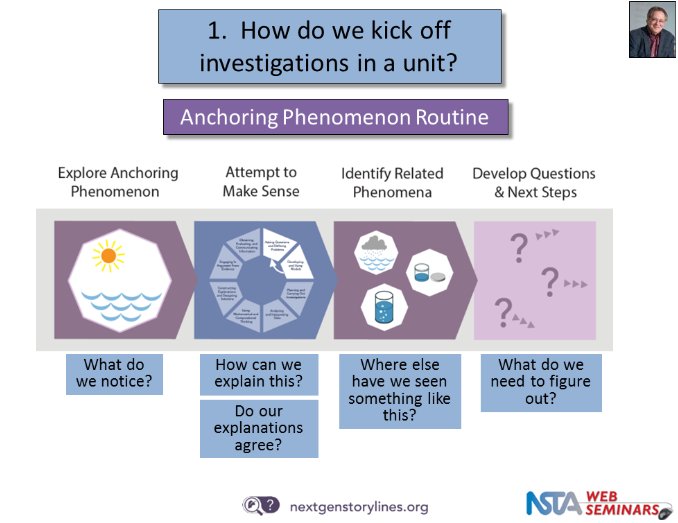
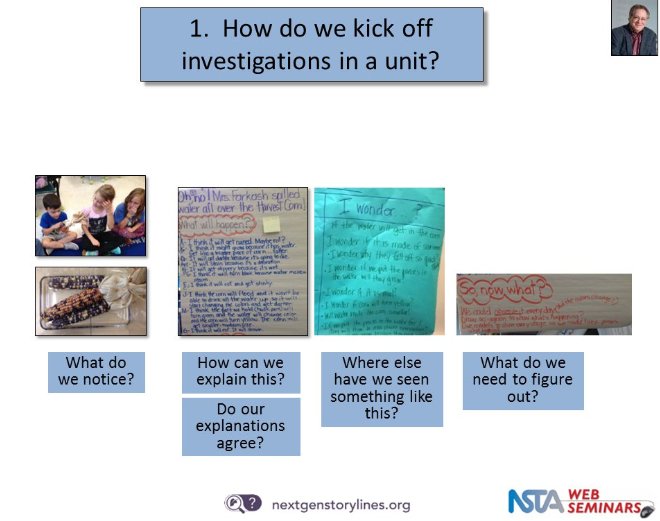
When kicking off a unit with an anchoring phenomenon - these elements are important in the "anchoring phenomenon routine" #NGSS #NGSSchat

2017 AP Environmental Science scores 5: 9.4%; 4: 24.5%; 3: 15.5%; 2: 24.6%; 1: 26%. These may shift slightly as late exams are scored.
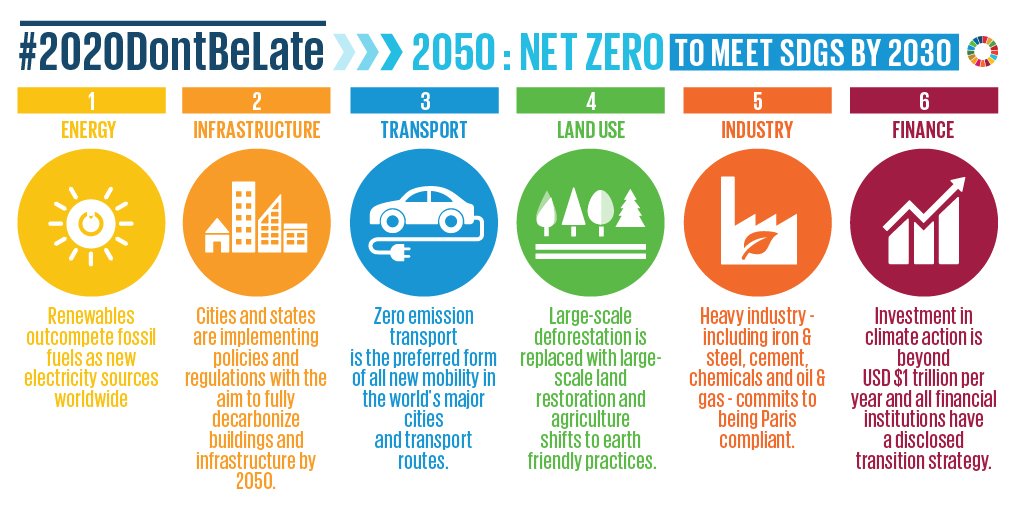
Cutting carbon emissions by 2020: It’s necessary, it’s desirable, and it’s achievable bit.ly/2oSrVqw #2020DontBeLate
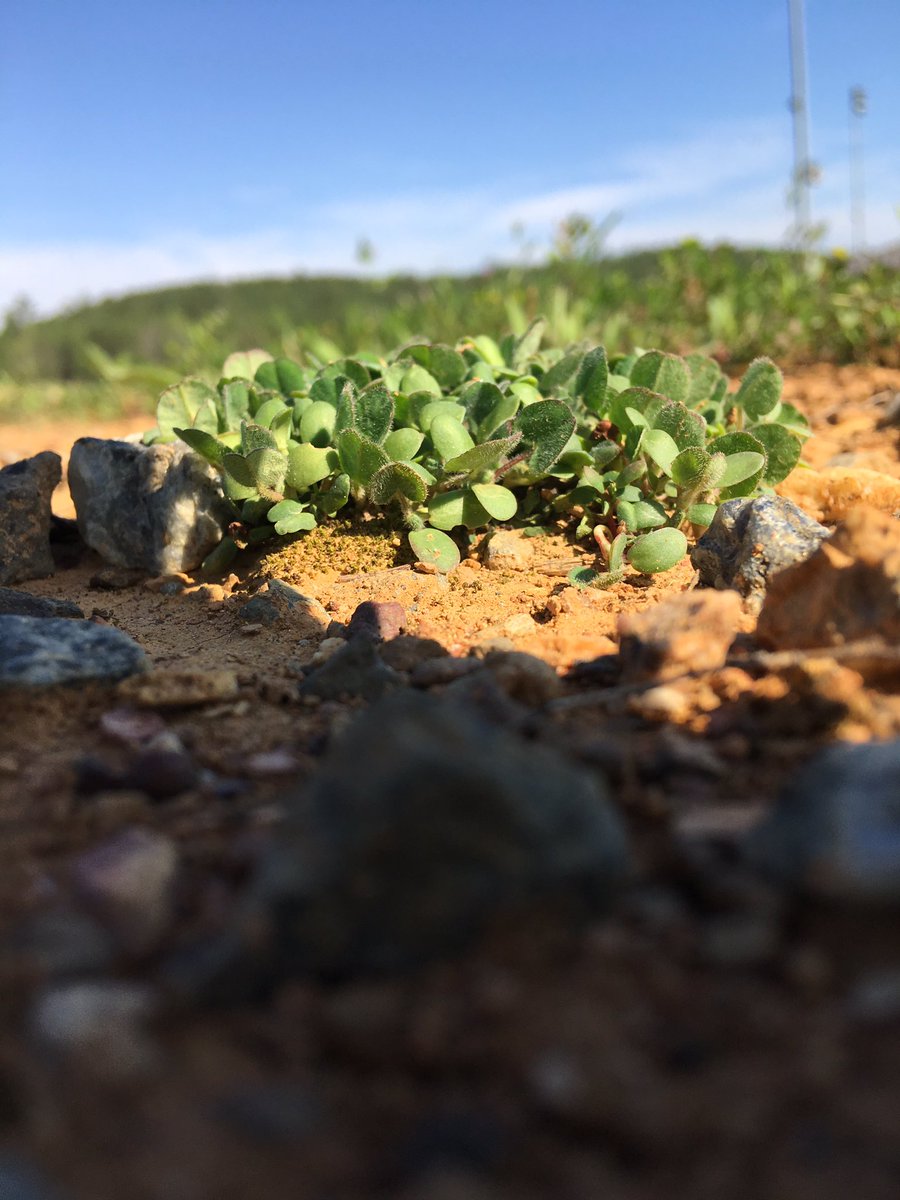
#APEnvironmentalScience students, do you think you could learn the sounds of 20 different kinds of trees? spr.ly/60118jCKt 🌲 🌳 🌴
theatlantic.com
Trees Have Their Own Songs
A new book by David George Haskell invites us to listen.

@stemeducation @STEMGeorgia @NSTA @GSTANews Great teacher and students present their work together. #STEMSKILLS
We made the paper again. Great job! daily-tribune.com/newsx/item/777…
We made the paper again. Great job! daily-tribune.com/newsx/item/777…
















United States Trends
- 1. Dodgers N/A
- 2. #TNAiMPACT N/A
- 3. Mets N/A
- 4. #TheTraitorsUS N/A
- 5. Colton N/A
- 6. Baseball N/A
- 7. World Series N/A
- 8. Yankees N/A
- 9. #TNAonAMC N/A
- 10. Bellinger N/A
- 11. Skubal N/A
- 12. Nobel Peace Prize N/A
- 13. Cohen N/A
- 14. Lockout N/A
- 15. #thepitt N/A
- 16. Ohtani N/A
- 17. The MLB N/A
- 18. Tiffany N/A
- 19. Soto N/A
- 20. Dixie Carter N/A


Something went wrong.
Something went wrong.