

@BrainComms
@braincomms
Brain Communications is the #OA sister journal to @Brain1878. We aim to publish robust translational neuroscience studies.
Was dir gefallen könnte


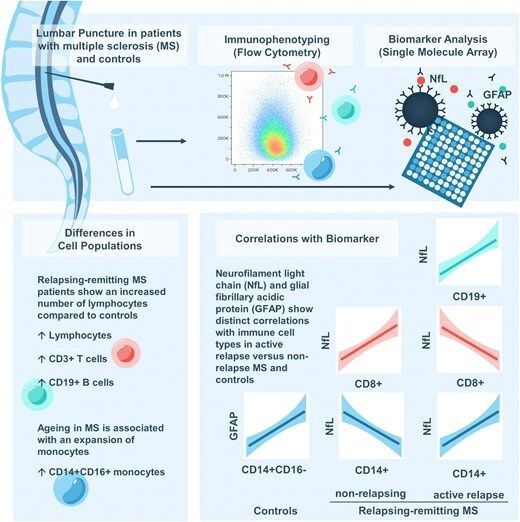
Zaic et al. report that relapsing-remitting multiple sclerosis patients show elevated cerebrospinal fluid T and B lymphocytes compared to controls. 👉 buff.ly/57Ah5kI @MedUni_Wien
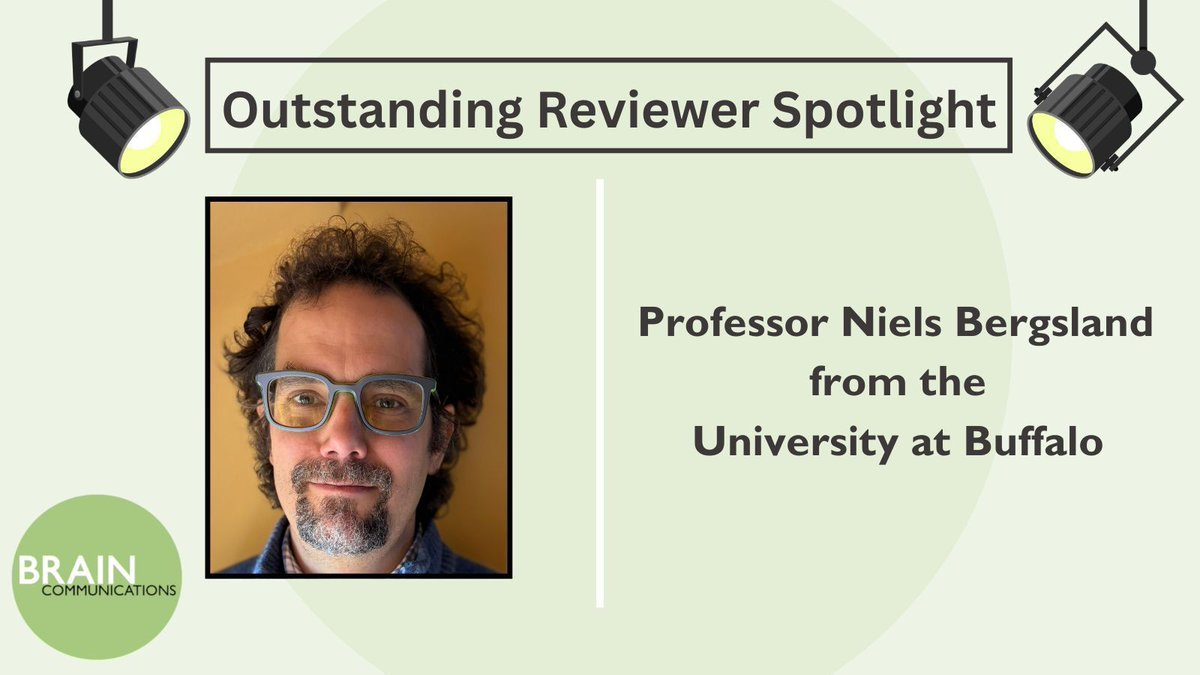
Please meet our Outstanding Reviewer (from Oct 2024 to Oct 2025)! Professor Bergsland has contributed significantly to our journal by providing an extensive amount of valuable peer reviews. Thank you for your work! 👉 buff.ly/T17hWPu #neuroscience
If you have read an outstanding paper published in Brain Communications during 2025, ✍️ take note of it for the upcoming Early Career Researcher Paper Prize! Nominations Open 1st December! #ecr #paperprize #neuroscience 🧠 🧠 🧠 Link to form: buff.ly/7mJCpfH
If you have read an outstanding paper published in Brain Communications during 2025, ✍️ take note of it for the upcoming Early Career Researcher Paper Prize! Nominations Open 1st December! #ecr #paperprize #neuroscience 🧠 🧠 🧠 More at: buff.ly/25QpvMm
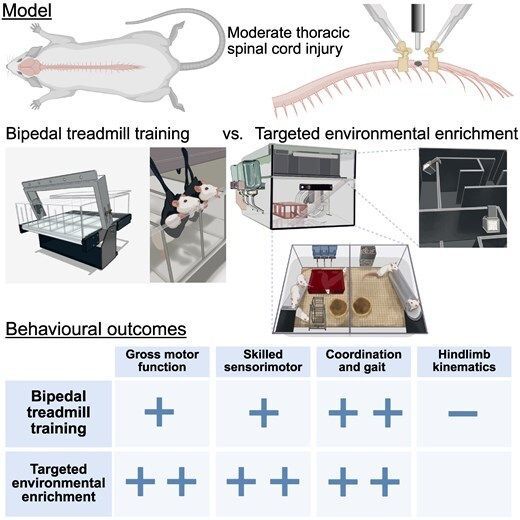
Griffin et al. found targeted environmental enrichment proved more effective than B-TMT in thoracic spinal cord injury models. It enabled consistent and diverse motor engagement, promoted naturalistic behaviours, and supported broader functional recovery👉 buff.ly/2h5WXVC
Botta et al. report that emotional cues, particularly happiness, facilitate gait initiation in middle-stage Parkinson’s disease (PD) and healthy controls. This advantage is diminished in persons with PD 👉 buff.ly/jIPVnW4

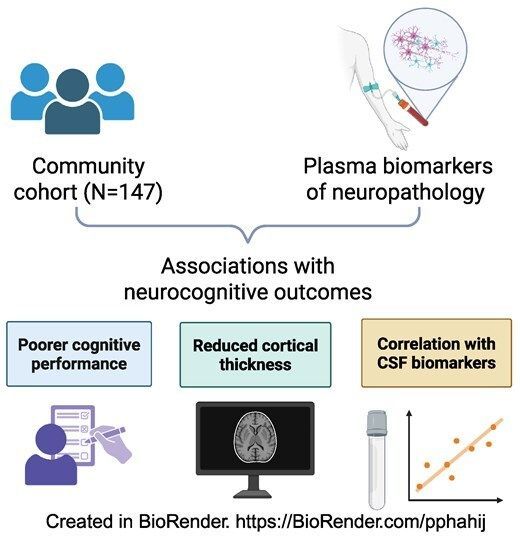
In dementia-free older adults, higher plasma phosphorylated Tau-217 linked to poorer cognition, reduced brain thickness, and paired cerebrospinal fluid levels. Plasma phosphorylated Tau-217 may be a promising biomarker for cognitive decline 👉 buff.ly/jXUZo1N
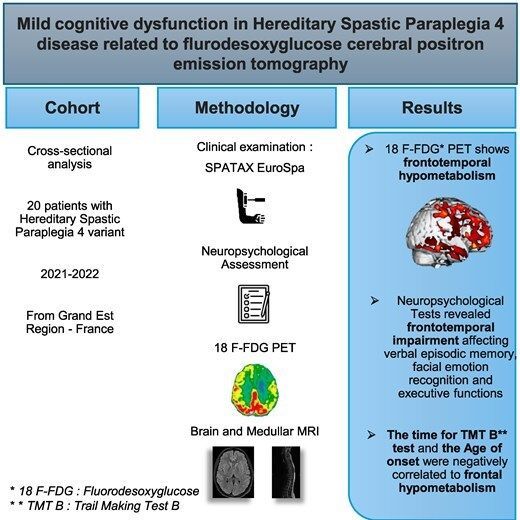
Autosomal dominant spastic paraplegia type 4 (SPG4, SPAST gene) is a pure phenotype with progressive spastic weakness of the lower limbs. Miroglio et al. show mild cognitive dysfunction in a cohort of 20 SPG4 patients with frontotemporal hypometabolism 👉 buff.ly/KM48TXG
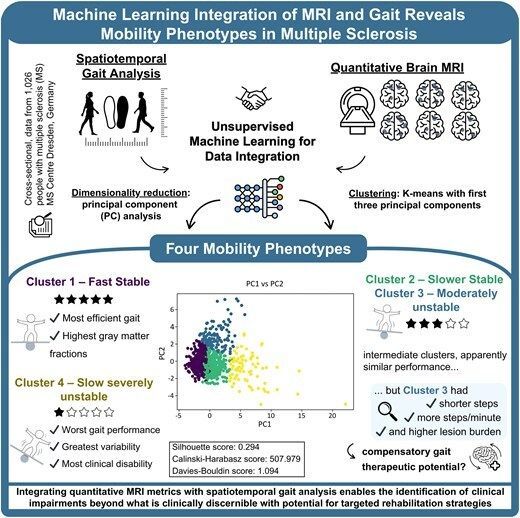
Inojosa et al. report that integrating MRI with gait analysis in people with multiple sclerosis identified four distinct mobility phenotypes using machine learning. Showing subtle gait impairments and compensatory patterns 👉 buff.ly/6g4hCoc @hernaninojosa @tjalfziemssen
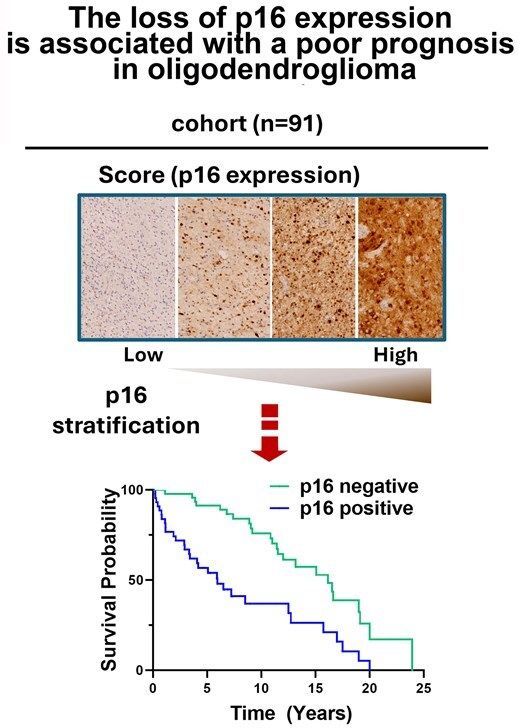
Vaz-Salgado MA et al. analysed the cyclin pathway, retrospectively in patients diagnosed with oligodendroglioma by the WHO 2021 criteria. Showing that absence of p16 expression is associated with a worse prognosis 👉 buff.ly/OPPcLz7 @mangelesvaz @GrupoGeino @OncoMedRyC
If you have read an outstanding paper published in Brain Communications during 2025, ✍️ take note of it for the upcoming Early Career Researcher Paper Prize! Nominations Open 1st December! #ecr #paperprize #neuroscience 🧠 🧠 🧠 More at: buff.ly/25QpvMm

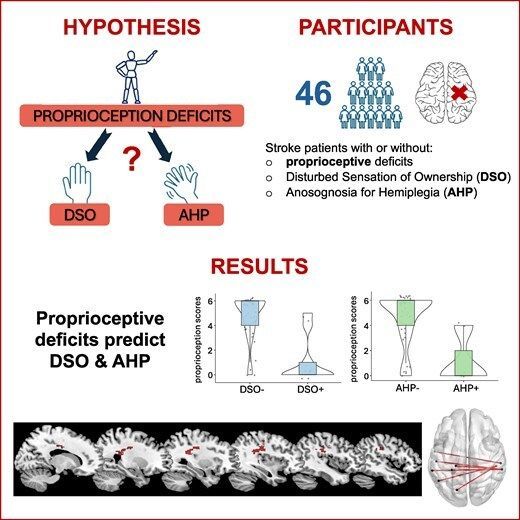
Salvato et al. report that proprioceptive deficits predict both disturbed sensation of ownership and anosognosia for hemiplegia following right-hemisphere stroke. Lesion mapping reveals damage to parietal regions and interhemispheric disconnections 👉 buff.ly/cEGwaft
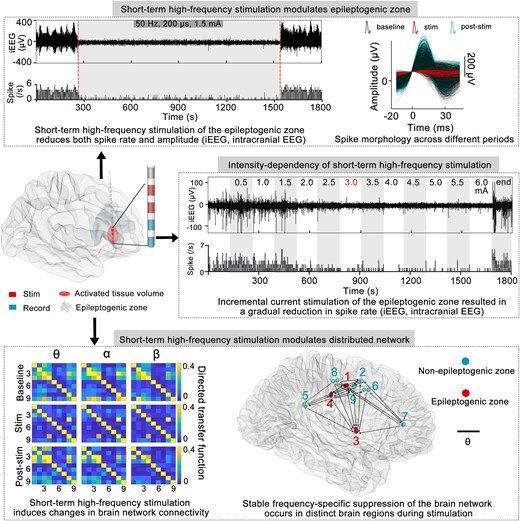
Yan et al. reported that short-term high-frequency electrical stimulation of the epileptogenic zone during the interictal period consistently suppressed spike rate, amplitude and spectral power 👉 buff.ly/rFWmltV #epilepsy
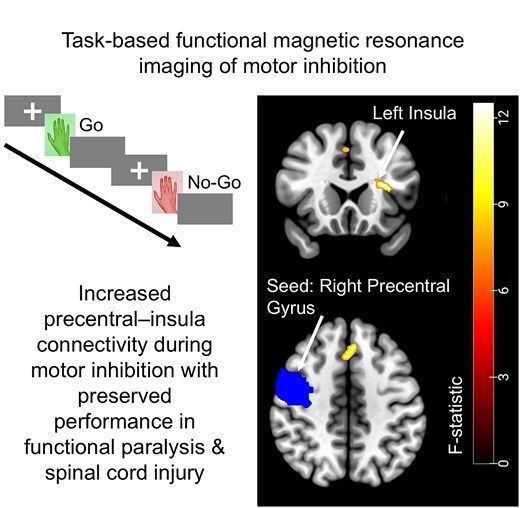
Vallesi et al. report that individuals with functional paralysis and spinal cord injury show similar increases in functional connectivity between the right precentral gyrus and left insula during motor inhibition, despite intact behavioural performance 👉 buff.ly/wNl4YZE
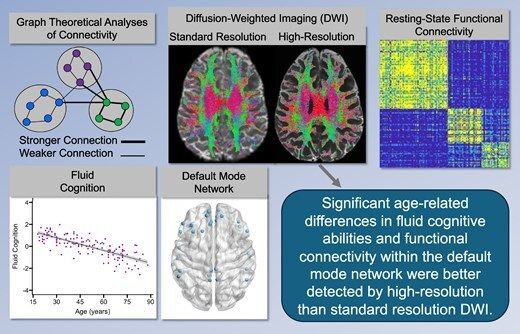
Merenstein et al. show structural brain connectivity, measured by high-resolution diffusion-weighted MRI, improved predictions of age-related alterations in brain function and cognitive performance, relative to standard spatial resolution. buff.ly/0IOgtRX @j_merenstein
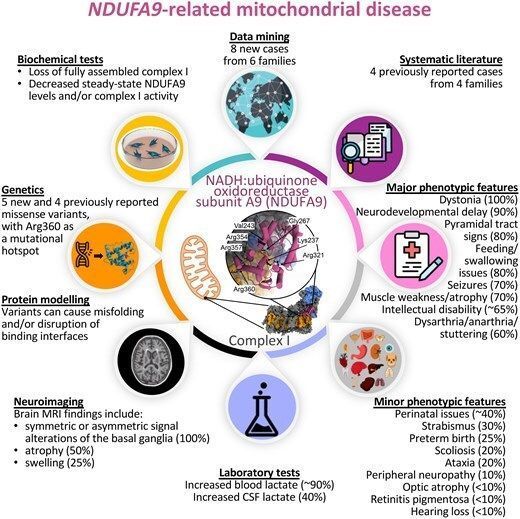
Magrinelli et al. define the pheno-genotypic spectrum of NDUFA9-related mitochondrial disease in 12 cases. Biallelic NDUFA9 variants cause complex I deficiency 👉 buff.ly/t5XWVkv @FraMagrinelli @kailashbhatia @IonSynapse @RMaroofian @UCLIoN @UCLIoN_DCMN
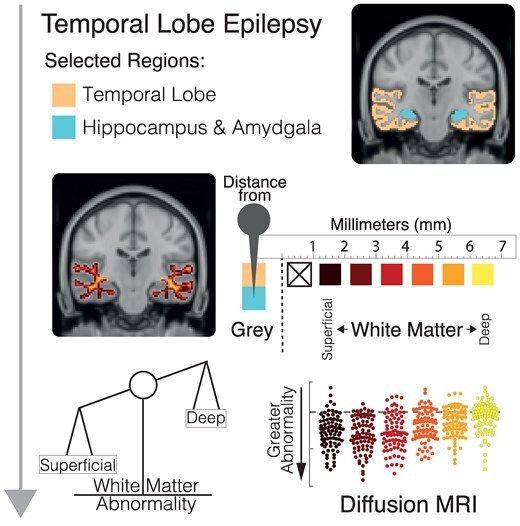
Hall et al. investigate whether fractional anisotropy abnormality in temporal lobe white matter is spatially homogenous at differing depths in drug-resistant temporal lobe epilepsy. Full article 👉 buff.ly/wJhSphi #epilepsy
If you have read an outstanding paper published in Brain Communications during 2025, ✍️ take note of it for the upcoming Early Career Researcher Paper Prize! Nominations Open 1st December! #ecr #paperprize #neuroscience 🧠 🧠 🧠 More at: buff.ly/25QpvMm

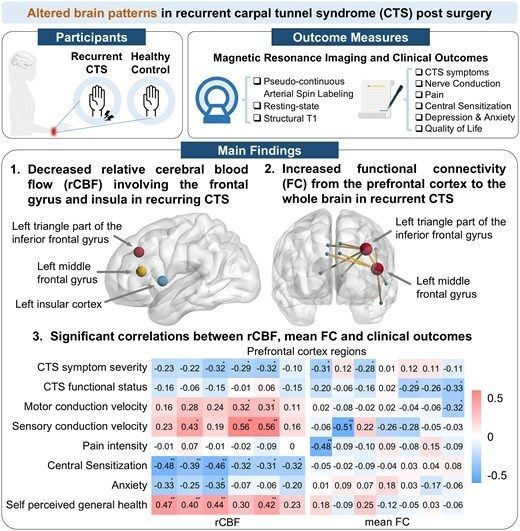
Feng et al. report that individuals with chronic neuropathic pain secondary to recurrent carpal tunnel syndrome show decreased cerebral blood flow and altered brain connectivity, which correlates with pain severity 👉 buff.ly/wJIkvRm #carpaltunnelsyndrome
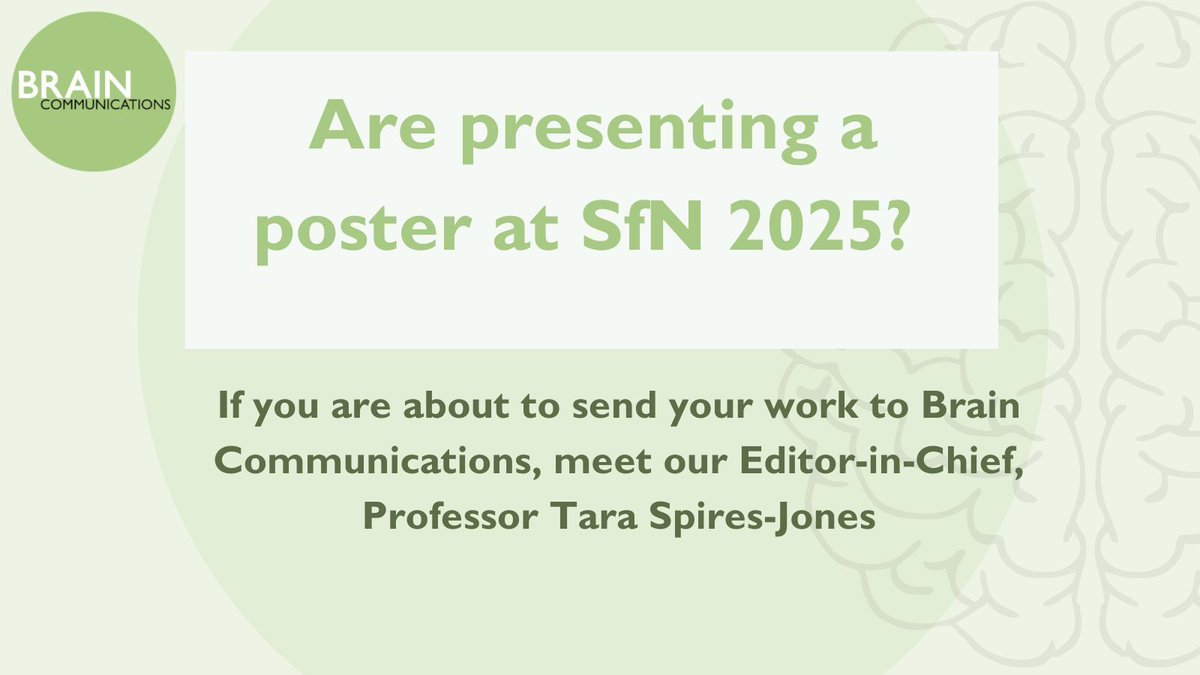
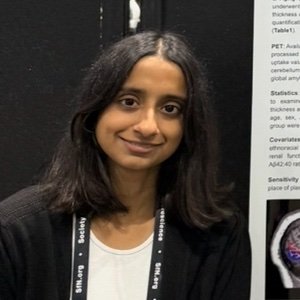
Are you about to submit your paper to Brain Communications? If presenting you are this work at the #SfN25, show it to our Editor-in-Chief @TSpiresJones who will be there! #neuroscience














































































United States Trends
- 1. Spotify 1.12M posts
- 2. Chris Paul 31.2K posts
- 3. Clippers 44.3K posts
- 4. Hartline 11K posts
- 5. Henry Cuellar 6,754 posts
- 6. ethan hawke 4,618 posts
- 7. #HappyBirthdayJin 106K posts
- 8. Ty Lue 2,151 posts
- 9. David Corenswet 7,801 posts
- 10. Jonathan Bailey 8,974 posts
- 11. GreetEat Corp 1,172 posts
- 12. South Florida 6,468 posts
- 13. Apple Music 251K posts
- 14. #NSD26 26.1K posts
- 15. Chris Henry 2,483 posts
- 16. Klein 16.8K posts
- 17. Adam Sandler 5,074 posts
- 18. Nashville 34.2K posts
- 19. #JINDAY 83.3K posts
- 20. Chris Klieman 2,155 posts
Was dir gefallen könnte
-
 Brain
Brain
@Brain1878 -
 The Lancet Neurology
@TheLancetNeuro -
 British Neuroscience Association
@BritishNeuro -
 UCL Queen Square Institute of Neurology
@UCLIoN -
 OHBM
OHBM
@OHBM -
 Movement Disorders Clinical Practice
@MDCP_Journal -
 Alzforum
@alzforum -
 Research at ARUK
@ARUKscientist -
 Oxford Centre for Integrative Neuroimaging
@OxfordCIN -
 IBRO Journals
@IBROjournals -
 Nat Rev Neurology
@NatRevNeurol -
 UK Dementia Research Institute
@UKDRI -
 Biyu Jade He
@BiyuHe -
 Practical Neurology
@PracticalNeurol -
 Dementias Platform UK
@DementiasUK
Something went wrong.
Something went wrong.