

The Robertson Program
@robertsonprog
Collaborating with educators and researchers to create inquiry-based math and science resources. Part of the Ontario Institute for Studies in Education, U of T.
Bạn có thể thích


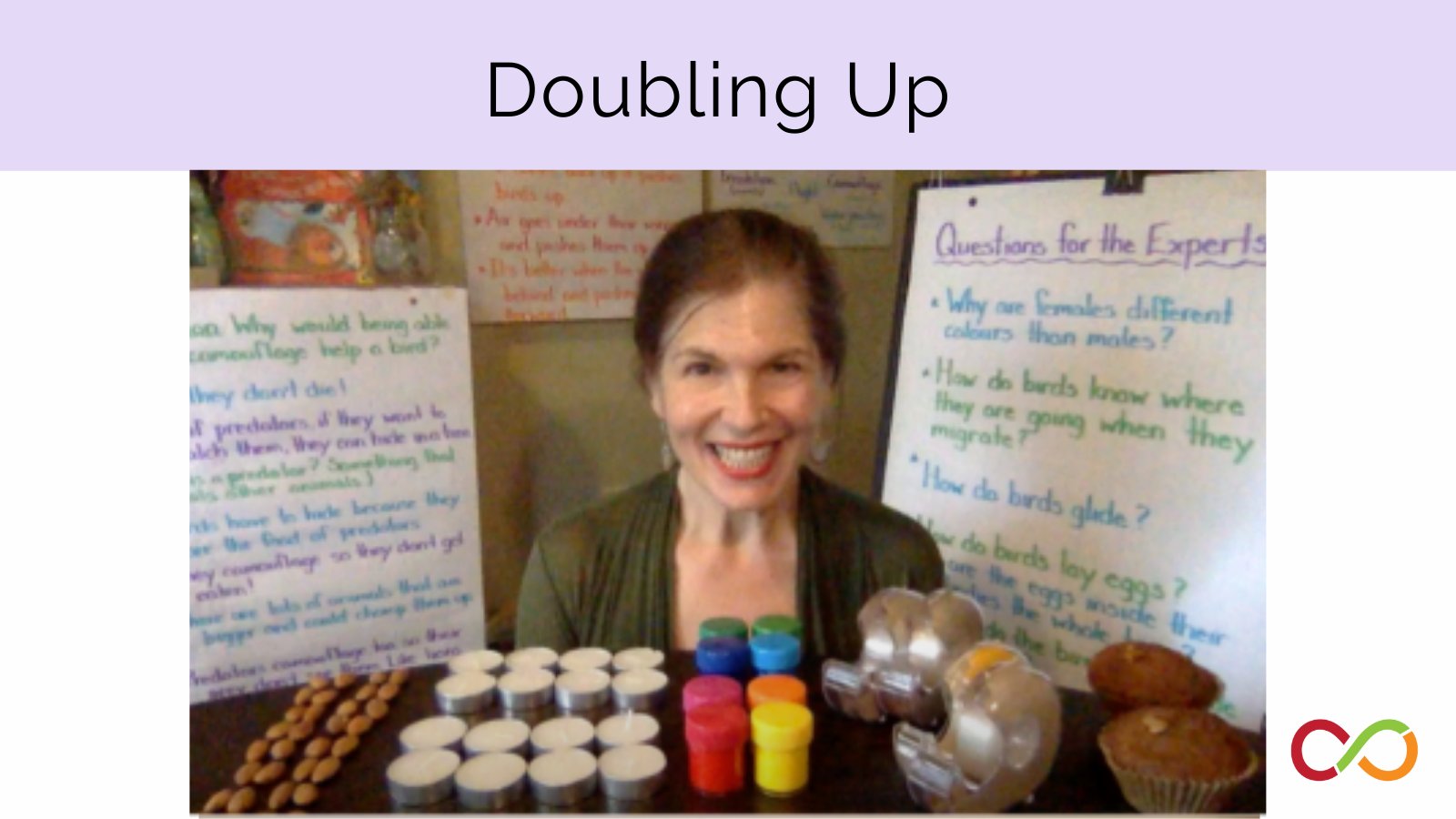
Help children understand exponential growth and doubling with this fun hands-on activity using only five to ten manipulatives. oise.utoronto.ca/robertson/less…
Thinking of holiday party game ideas for the classroom or at home? Read about these 3 games target number sense and data management in a playful manner and take little effort to learn. All you need are dice or a deck of playing cards to get started! oise.utoronto.ca/robertson/blog…

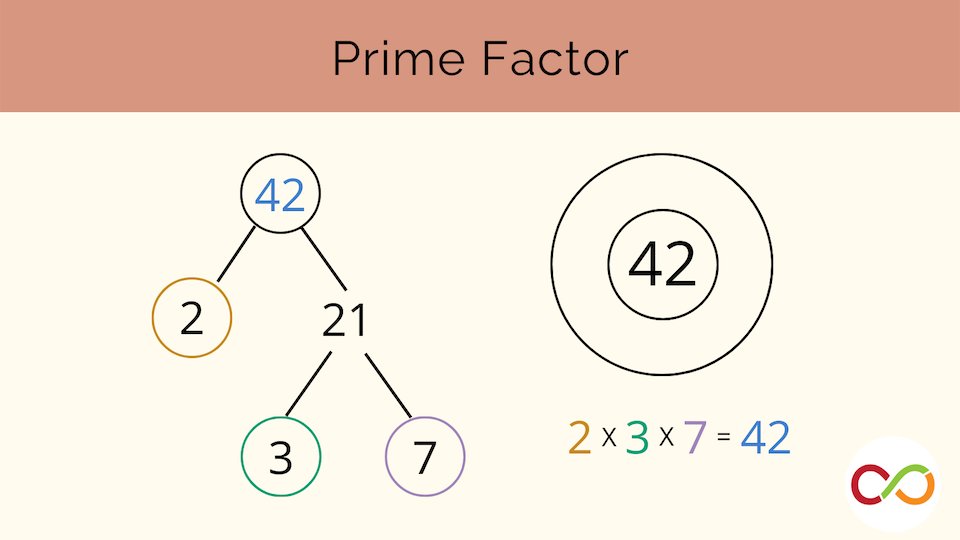
Students decompose composite numbers and identify prime factors using factor trees. oise.utoronto.ca/robertson/less…
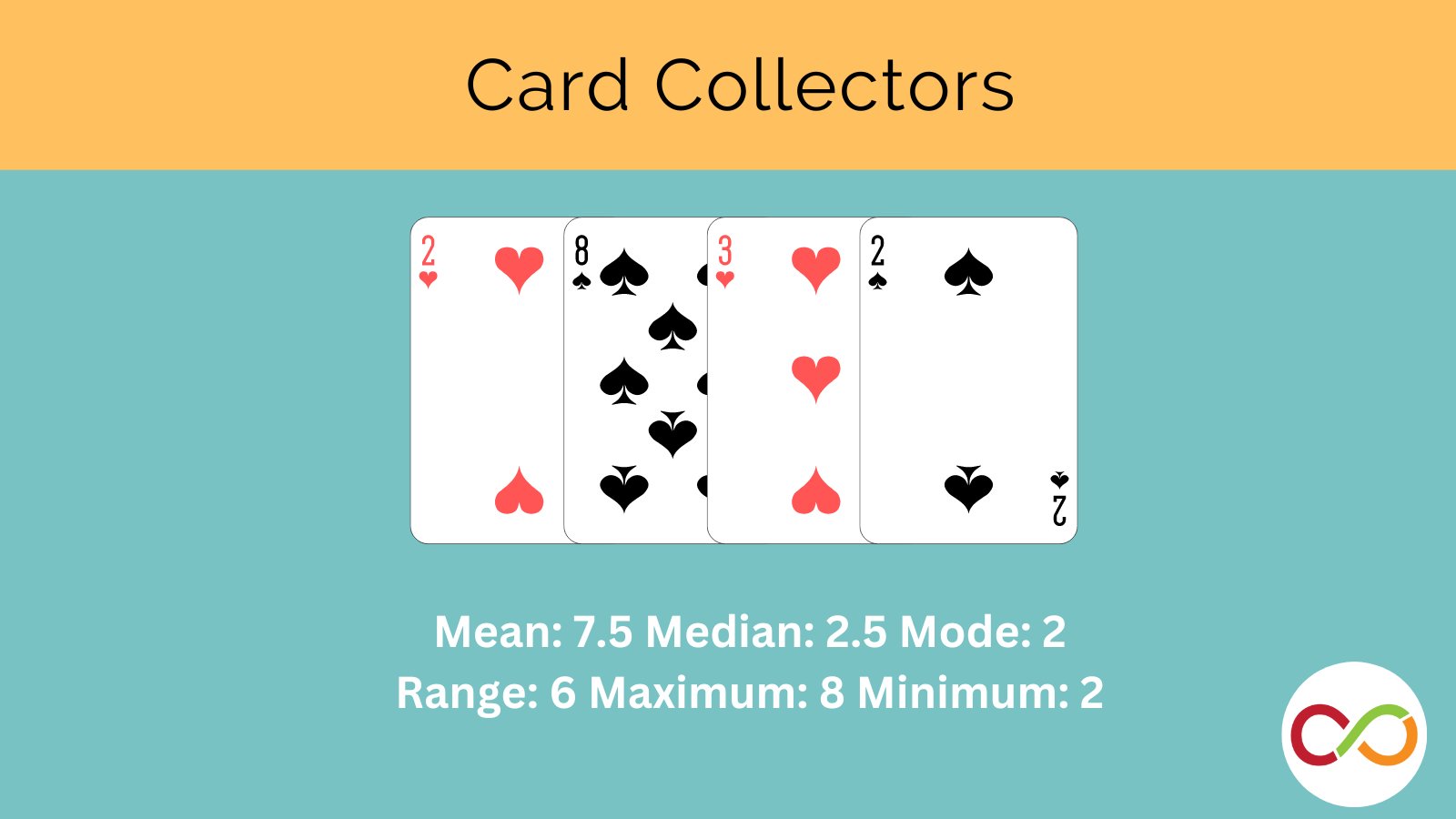
Students work in teams to determine the maximum, minimum, mean, median, mode and range of a group of playing cards. oise.utoronto.ca/robertson/less…
What is easier to read - a circle graph or a bar graph? Children discover the answer in this lesson. oise.utoronto.ca/robertson/less…
oise.utoronto.ca
Circle to Bar Graph
What is easier to read - a circle graph or a bar graph? Children discover the answer in this lesson.
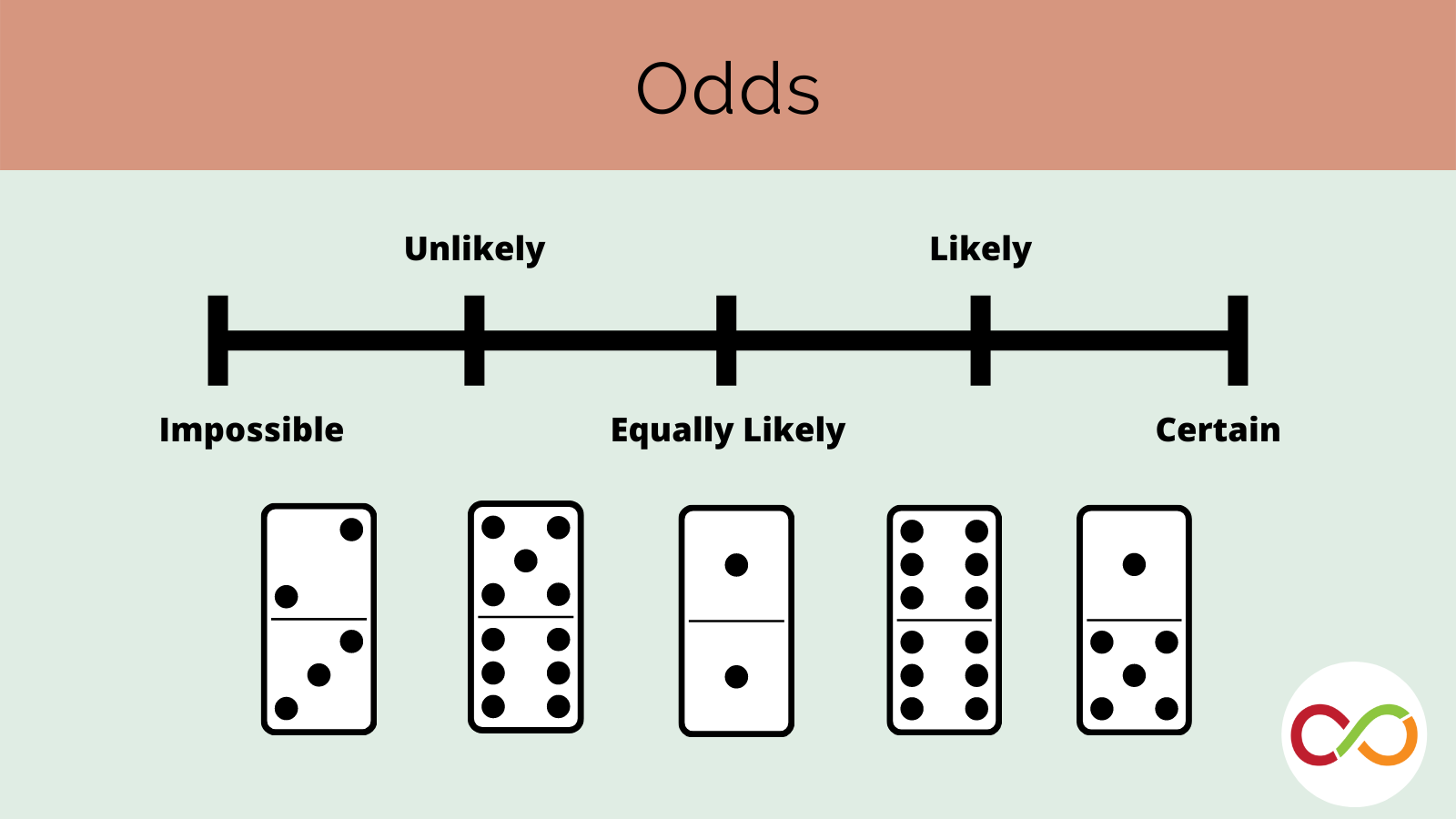
Using a probability line, students will make predictions informed by the likelihood of selecting a domino that is greater, equal, or lesser to the one in their hand. oise.utoronto.ca/robertson/less…
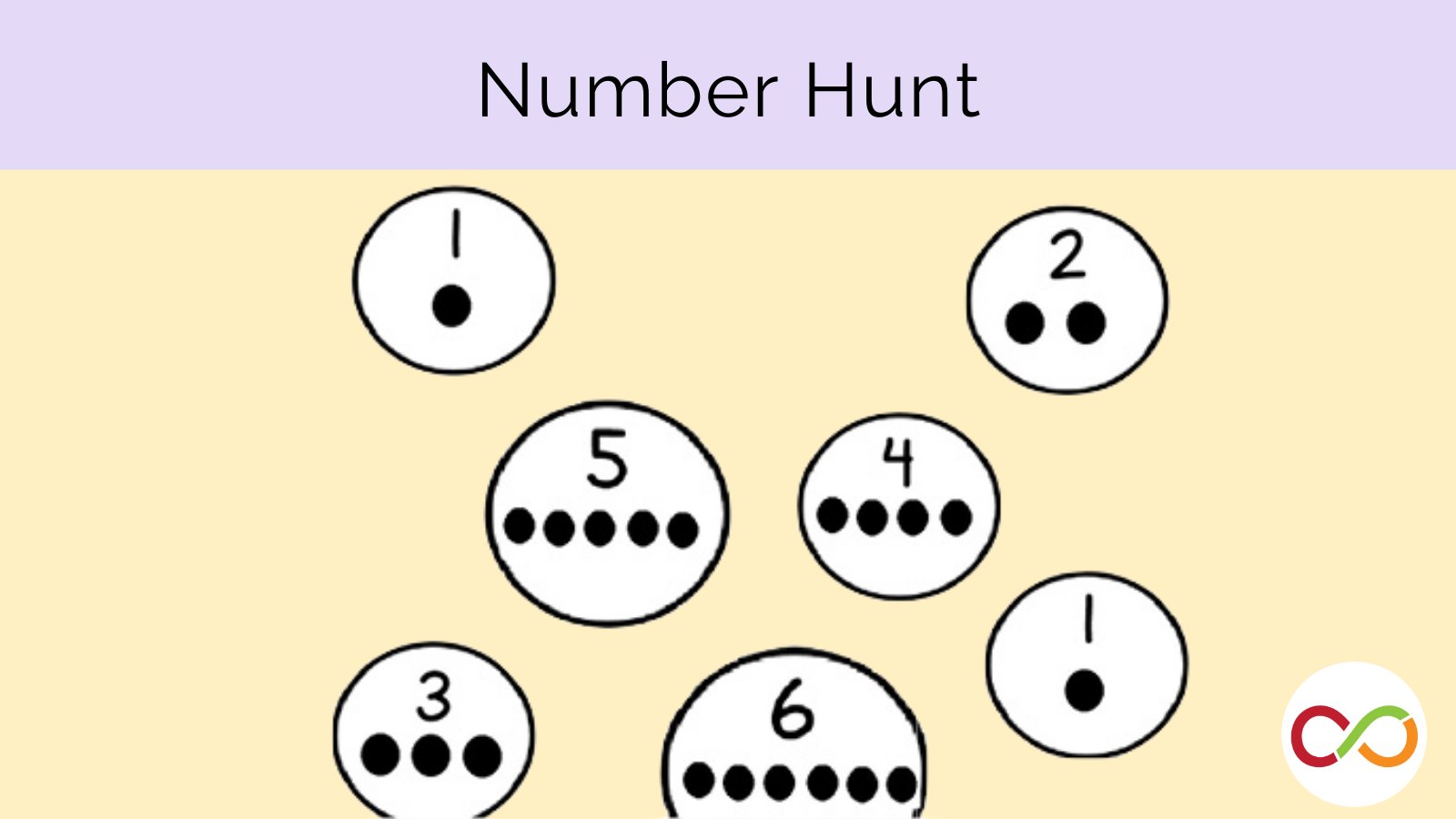
Students practice one-to-one correspondence in this fun dice-rolling, bingo-dabbing game. oise.utoronto.ca/robertson/less…
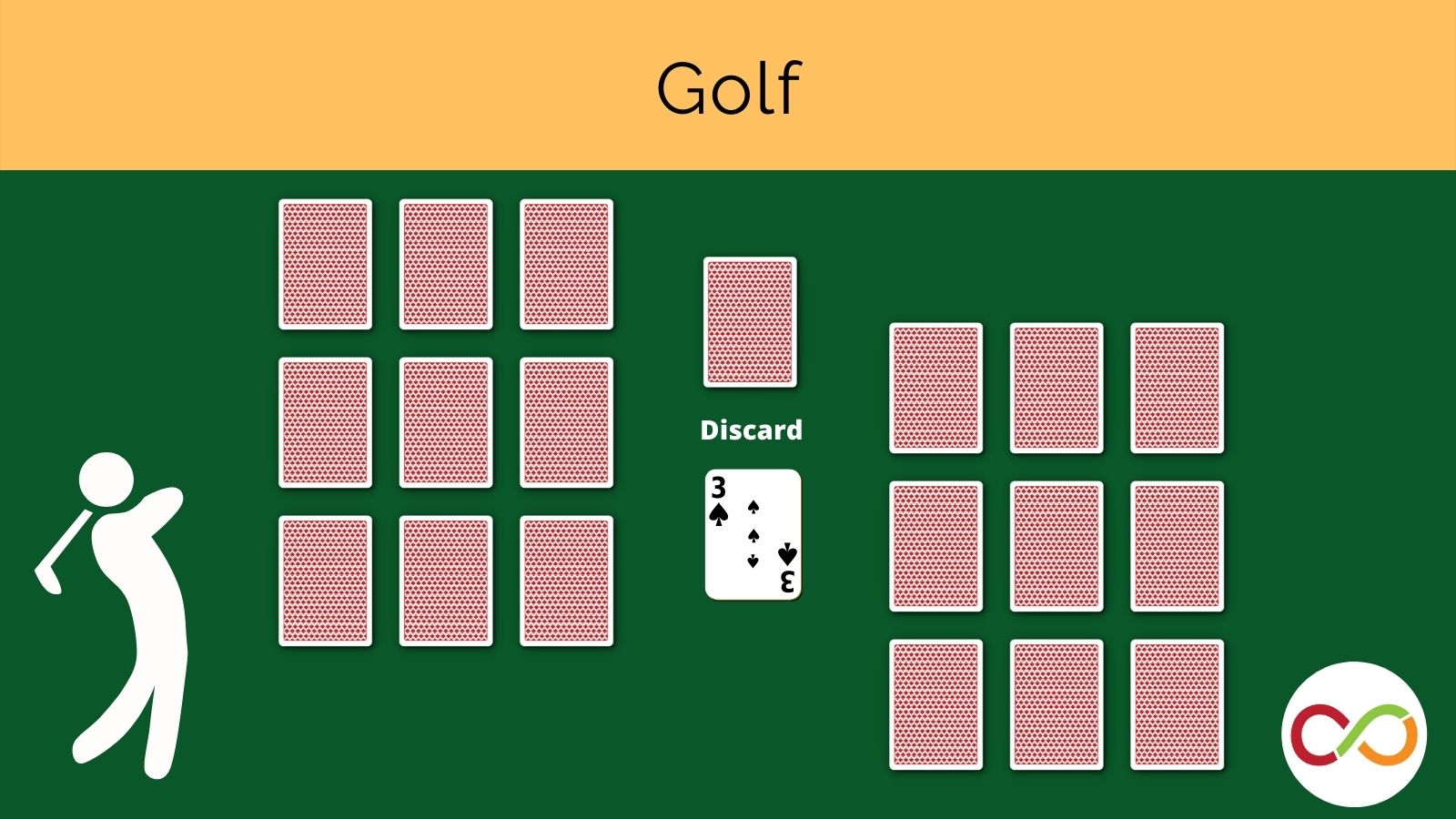
Students attempt to minimize the value of their hand in this competitive card game using addition, subtraction, multiplication and division. oise.utoronto.ca/robertson/less…
Check out our recent monthly challenge exploring patterning and order of operation word problems! oise.utoronto.ca/robertson/mont…
oise.utoronto.ca
Monthly Math Challenge
Each month, we are offering sets of engaging math challenges tailored for both primary and junior students. Designed to ignite classroom discussions and foster deep mathematical thinking, these...
Students practice spatial language as they design and describe their geometric flags to their partner. oise.utoronto.ca/robertson/less…
oise.utoronto.ca
Copy My Flag
Students will practice their spatial language as they design and describe their geometric flags to their partner.
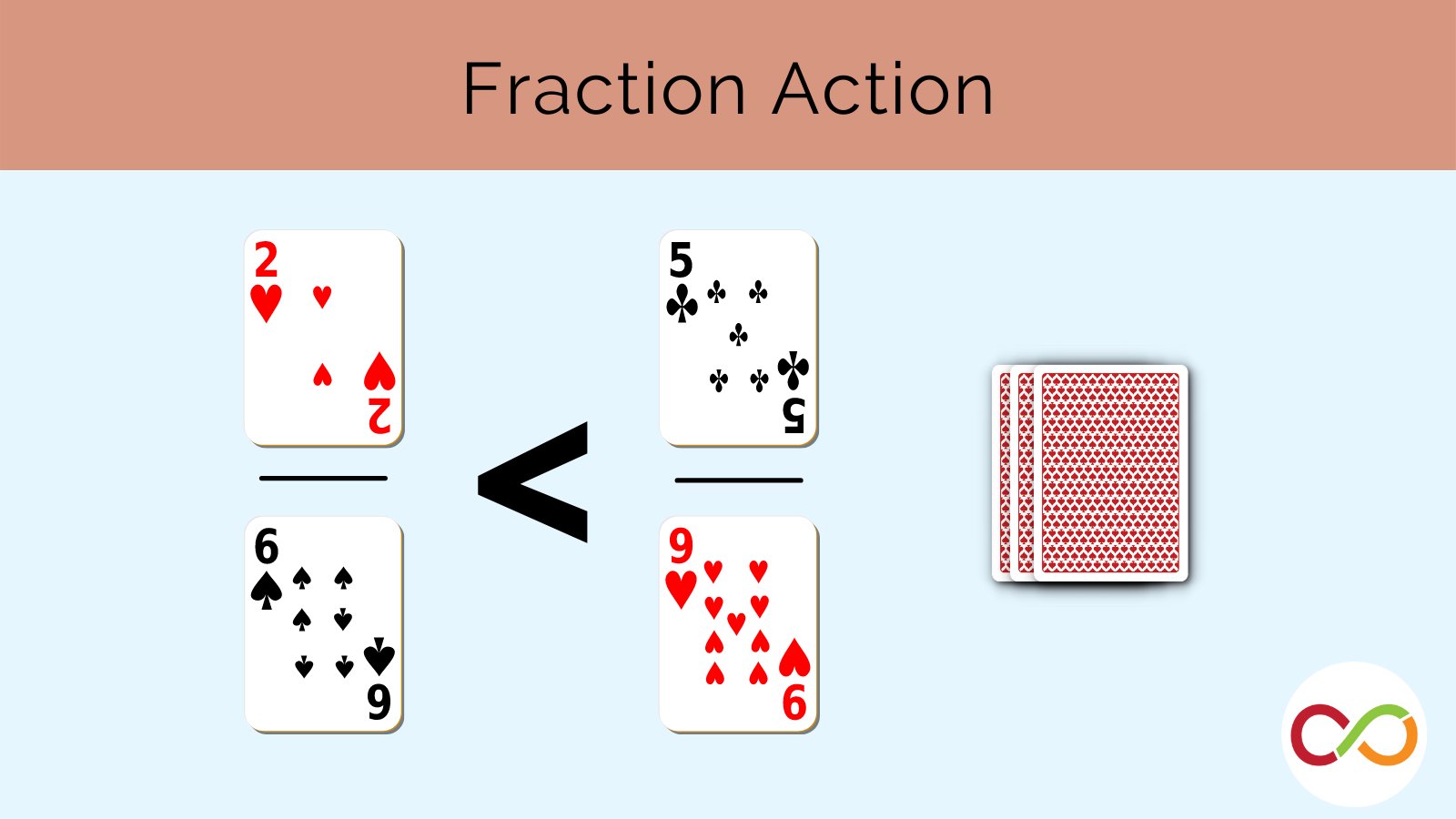
Get your students in on some fraction action as they strategically create and compare fractions. The player with the most cards is the winner! oise.utoronto.ca/robertson/less…
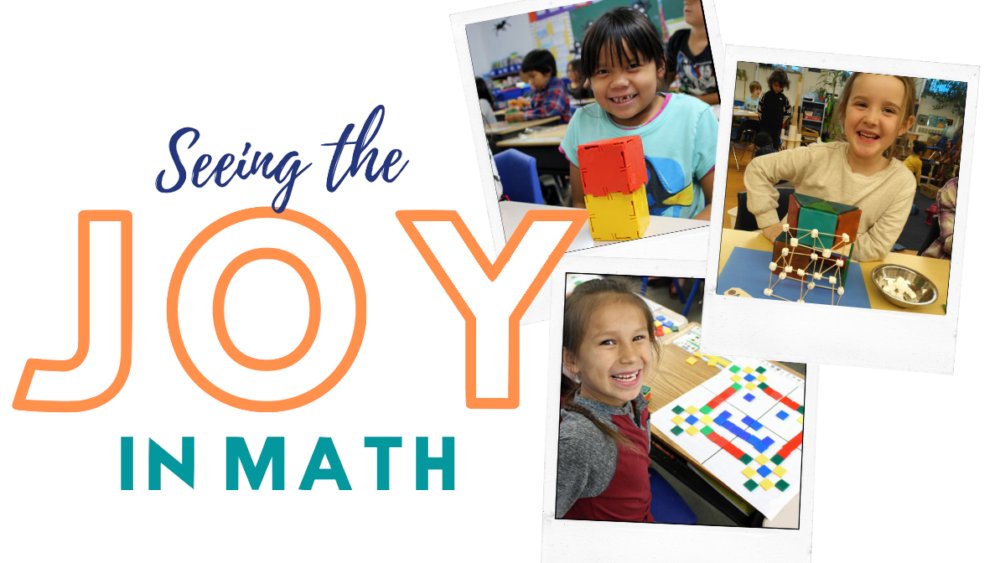
As an educator, has your student ever asked why they should be learning math? In this blog, we hope to inspire educators by exploring the relevance of math and introduce methods that can strengthen math teaching through a joyful approach. oise.utoronto.ca/robertson/blog…
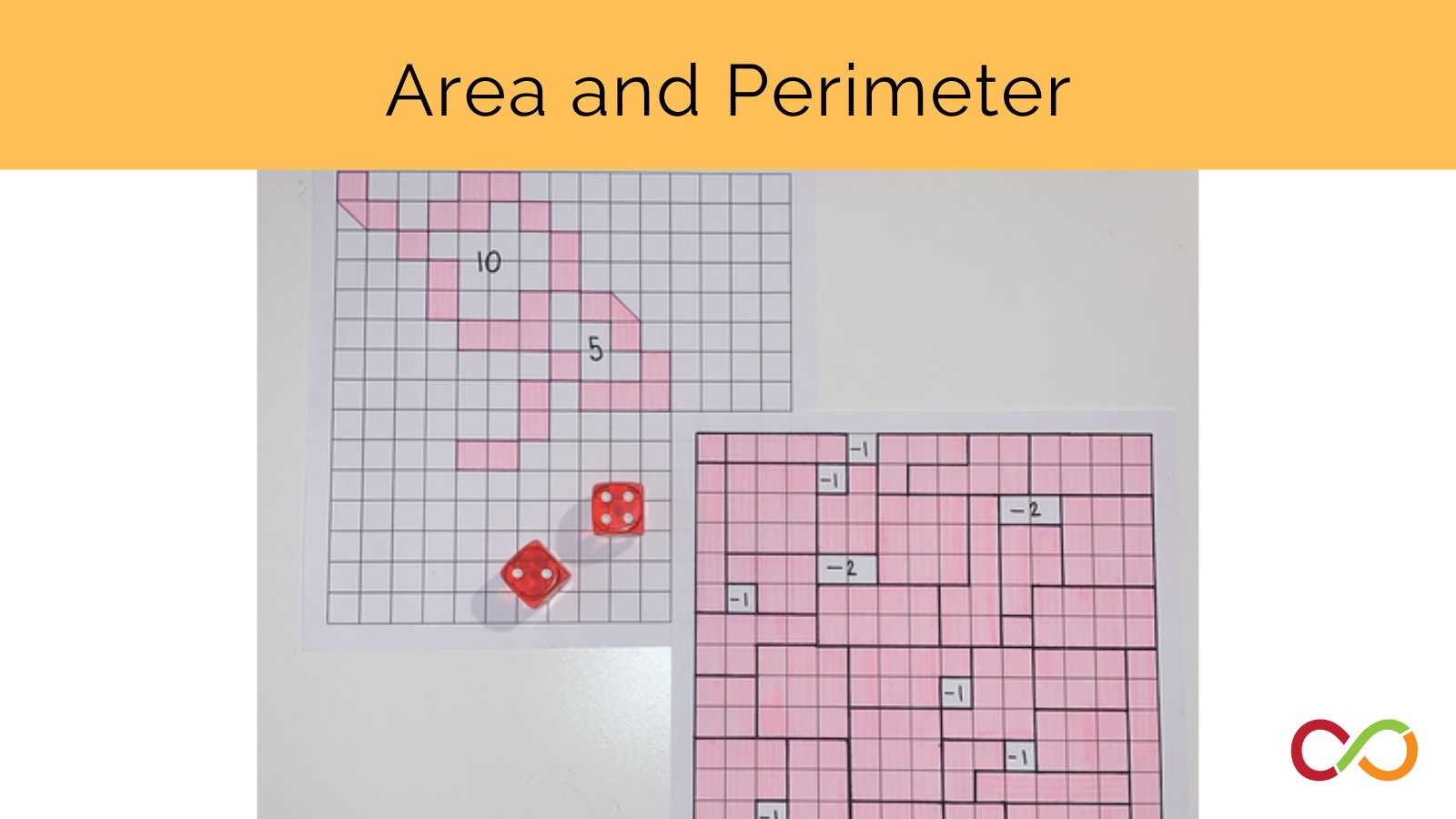
Students use the sum of two dice to create the perimeter and area of shapes on a grid. oise.utoronto.ca/robertson/less…
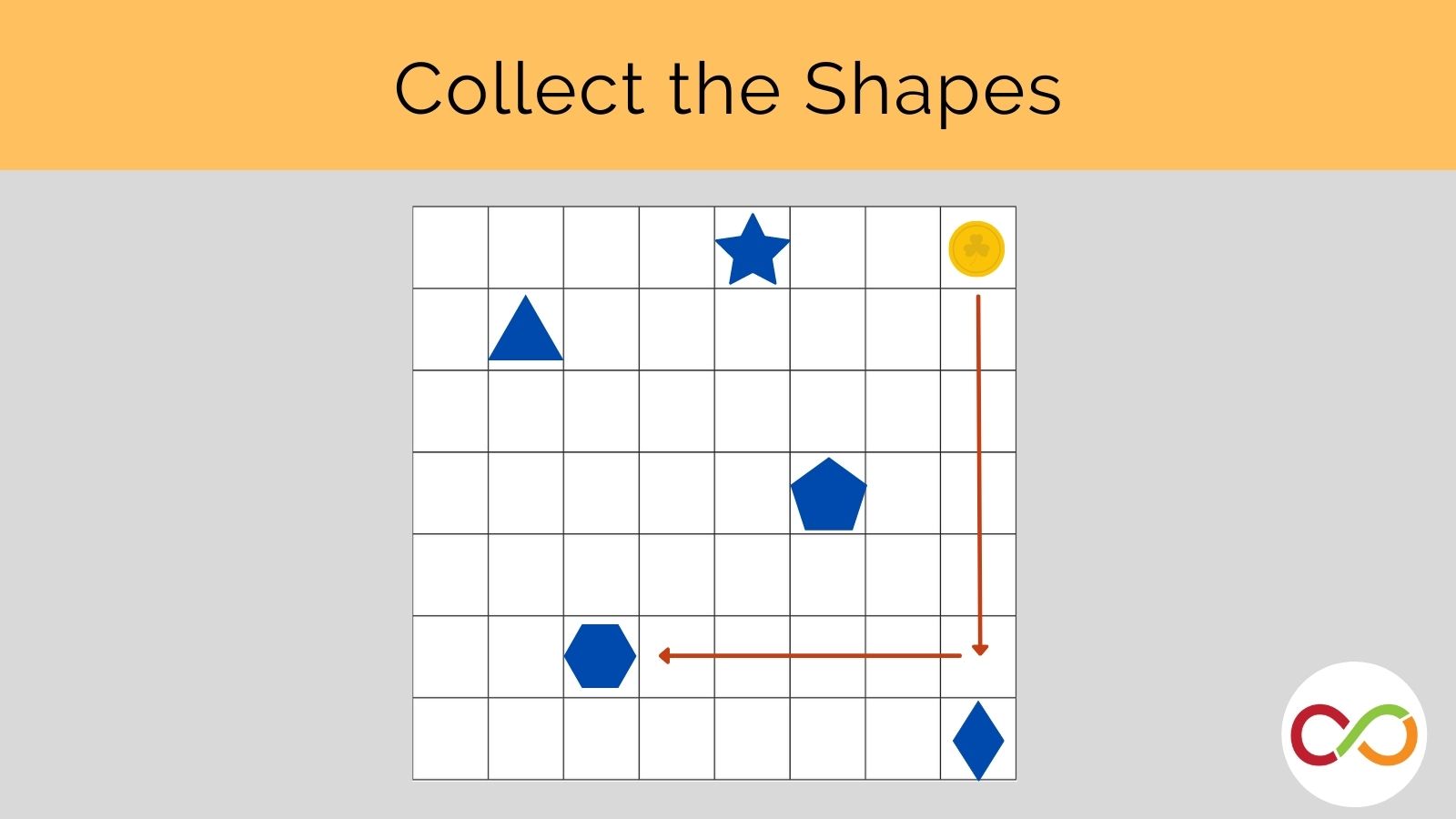
Primary students use directional language and describe the attributes of 2D shapes to identify and communicate the location of a shape on a grid. Free lesson + printables: oise.utoronto.ca/robertson/less…
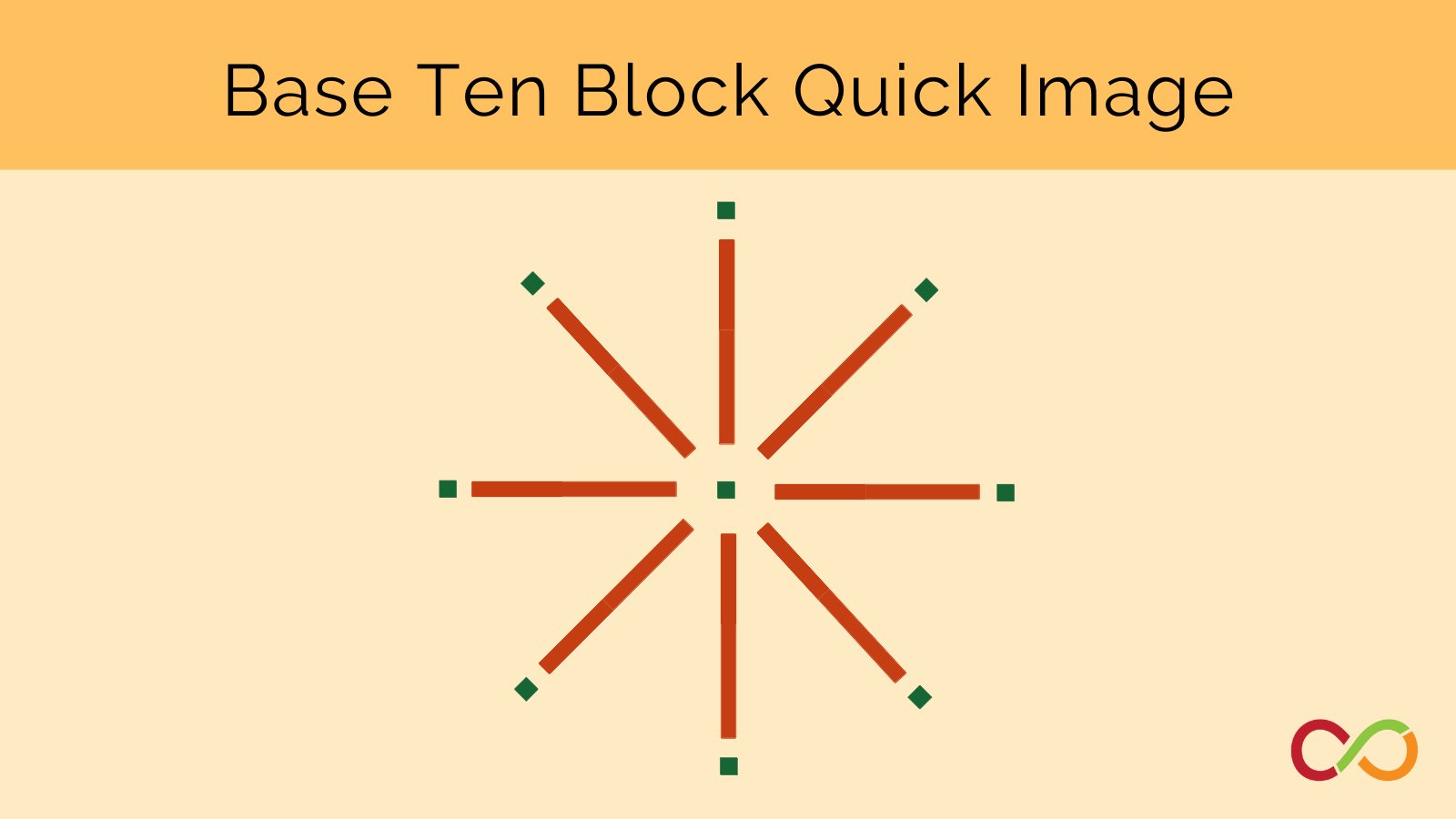
Students recreate images composed of base ten blocks using base ten blocks and calculate the sum of the blocks used in this teacher led activity. oise.utoronto.ca/robertson/less…
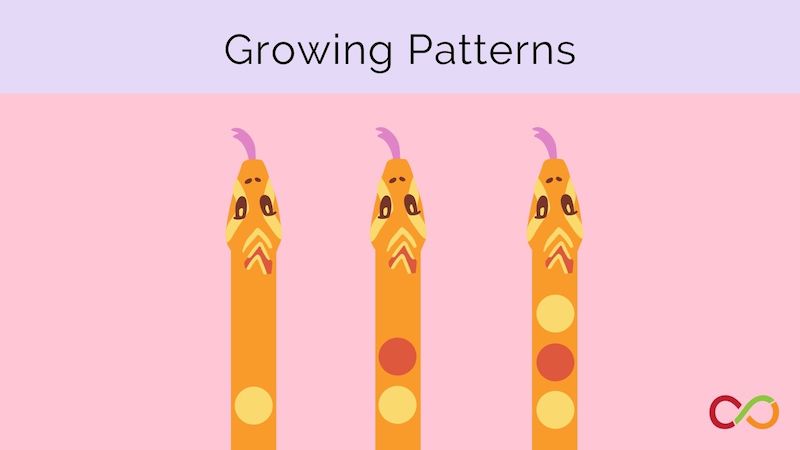
3 paper “snakes” and “magic pellets” are at the centre of this story-based, early years patterning lesson. What theories do children come up with for how many pellets each snake must eat? Do they recognize the patterns created? Free lesson + printable: oise.utoronto.ca/robertson/less…
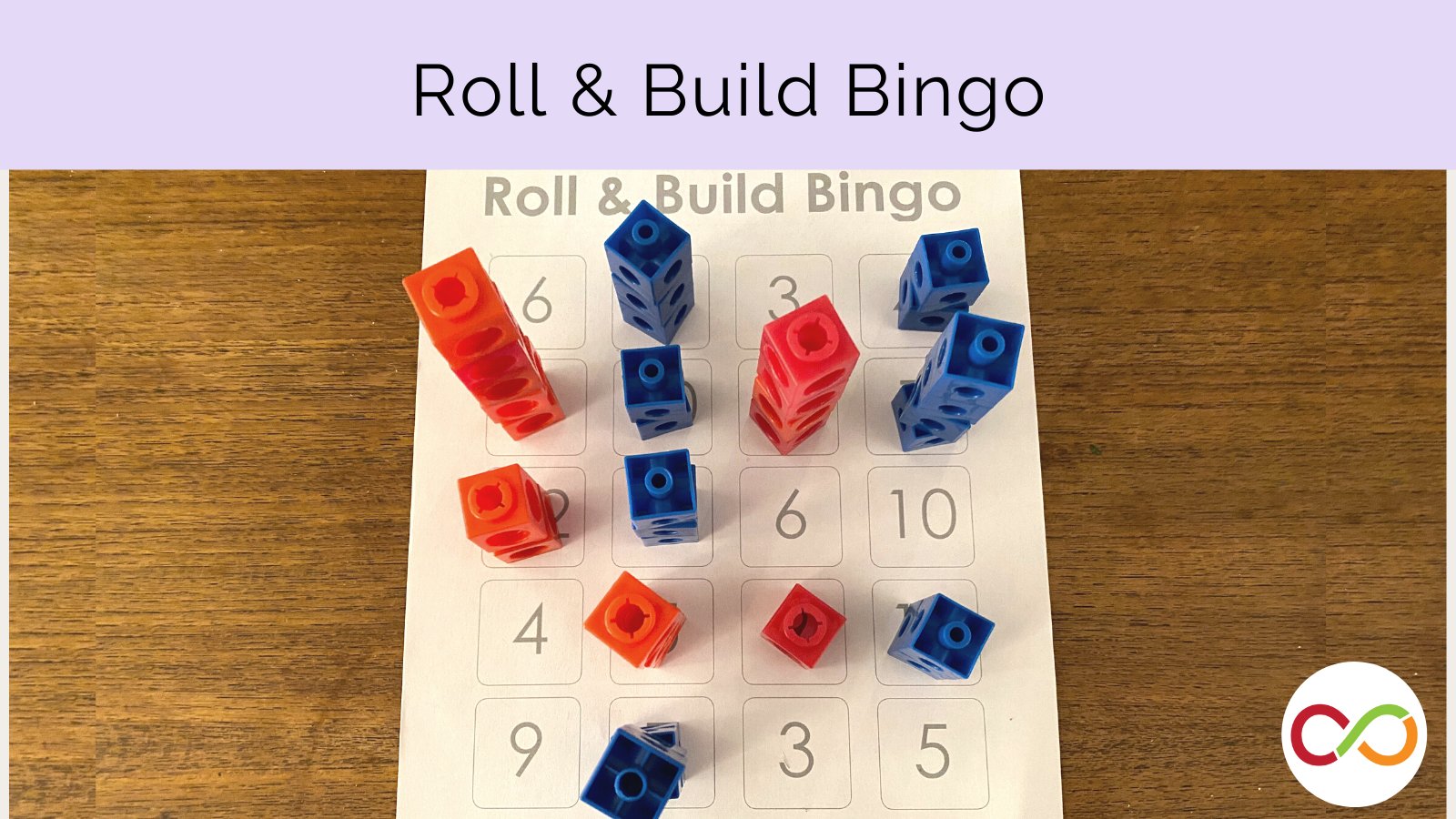
In this activity, students practice reading and representing numbers through a fun bingo game. oise.utoronto.ca/robertson/less…
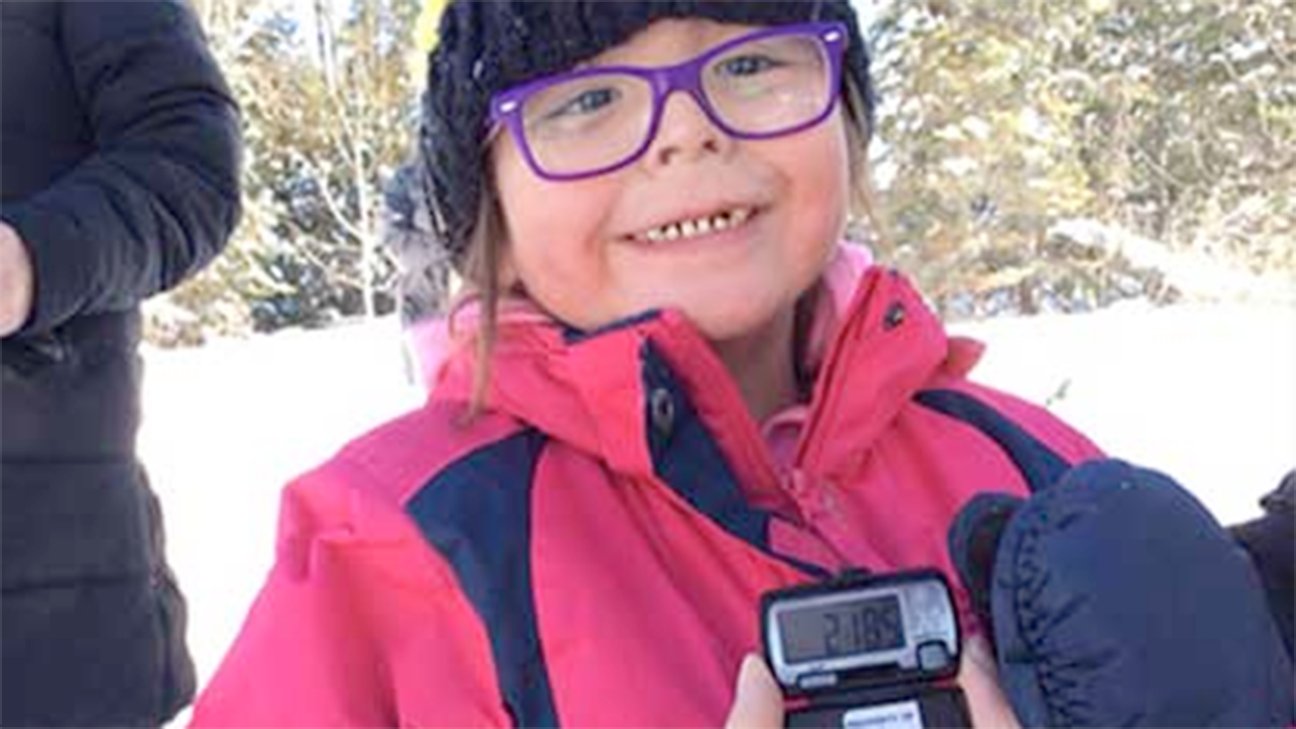
Students quantify distance by walking along a pathway from one location to another wearing pedometers. oise.utoronto.ca/robertson/less…
Integrate literacy and math by exploring the number of letters in each child's name .oise.utoronto.ca/robertson/less…
oise.utoronto.ca
Using Names to Explore Graphing
Integrate literacy and math by exploring the number of letters in each child's name.
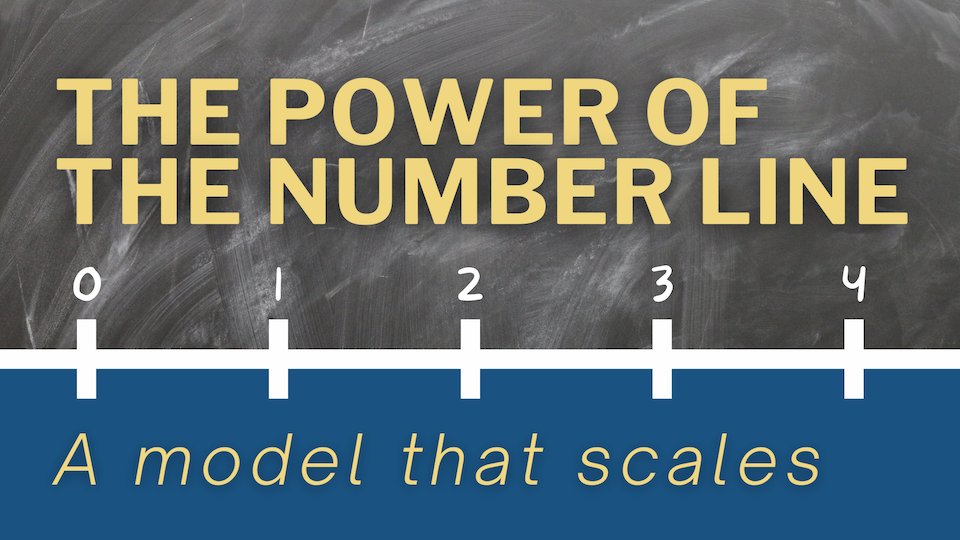
Of all the early assessments, a child’s ability to accurately map numbers onto a number line is a robust predictor of their achievement in mathematics," @oise prof Zack Hawes. Number lines support children’s understanding of ratio, proportion and scaling. oise.utoronto.ca/robertson/blog…




















































































United States Xu hướng
- 1. Spotify 1.26M posts
- 2. Chris Paul 38K posts
- 3. #WhyIChime N/A
- 4. Clippers 52.3K posts
- 5. Ty Lue 4,608 posts
- 6. Hartline 12.9K posts
- 7. Henry Cuellar 9,803 posts
- 8. Apple Music 244K posts
- 9. ethan hawke 6,072 posts
- 10. #HappyBirthdayJin 116K posts
- 11. SNAP 172K posts
- 12. David Corenswet 9,930 posts
- 13. Giannis 25.7K posts
- 14. Jonathan Bailey 11K posts
- 15. #NSD26 29.1K posts
- 16. Lawrence Frank 3,465 posts
- 17. Courtois 4,908 posts
- 18. Chris Henry Jr 2,822 posts
- 19. Garcelle N/A
- 20. Jack Smith 21.7K posts



Something went wrong.
Something went wrong.