

The Robertson Program
@robertsonprog
Collaborating with educators and researchers to create inquiry-based math and science resources. Part of the Ontario Institute for Studies in Education, U of T.


Students decompose composite numbers and identify prime factors using factor trees. oise.utoronto.ca/robertson/less…
oise.utoronto.ca
Prime Factor
Students decompose composite numbers and identify prime factors using factor trees.
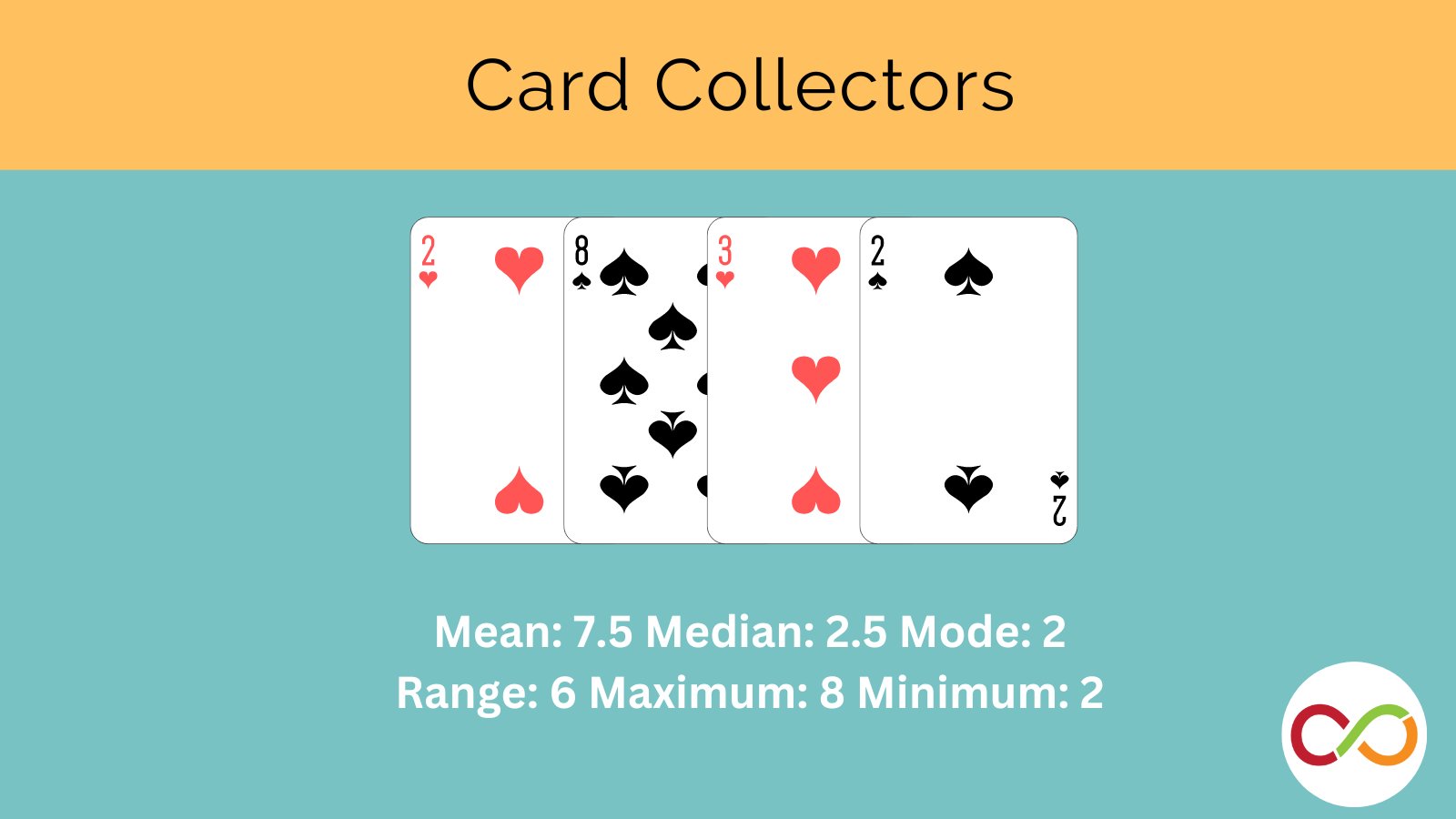
Students work in teams to determine the maximum, minimum, mean, median, mode and range of a group of playing cards. oise.utoronto.ca/robertson/less…
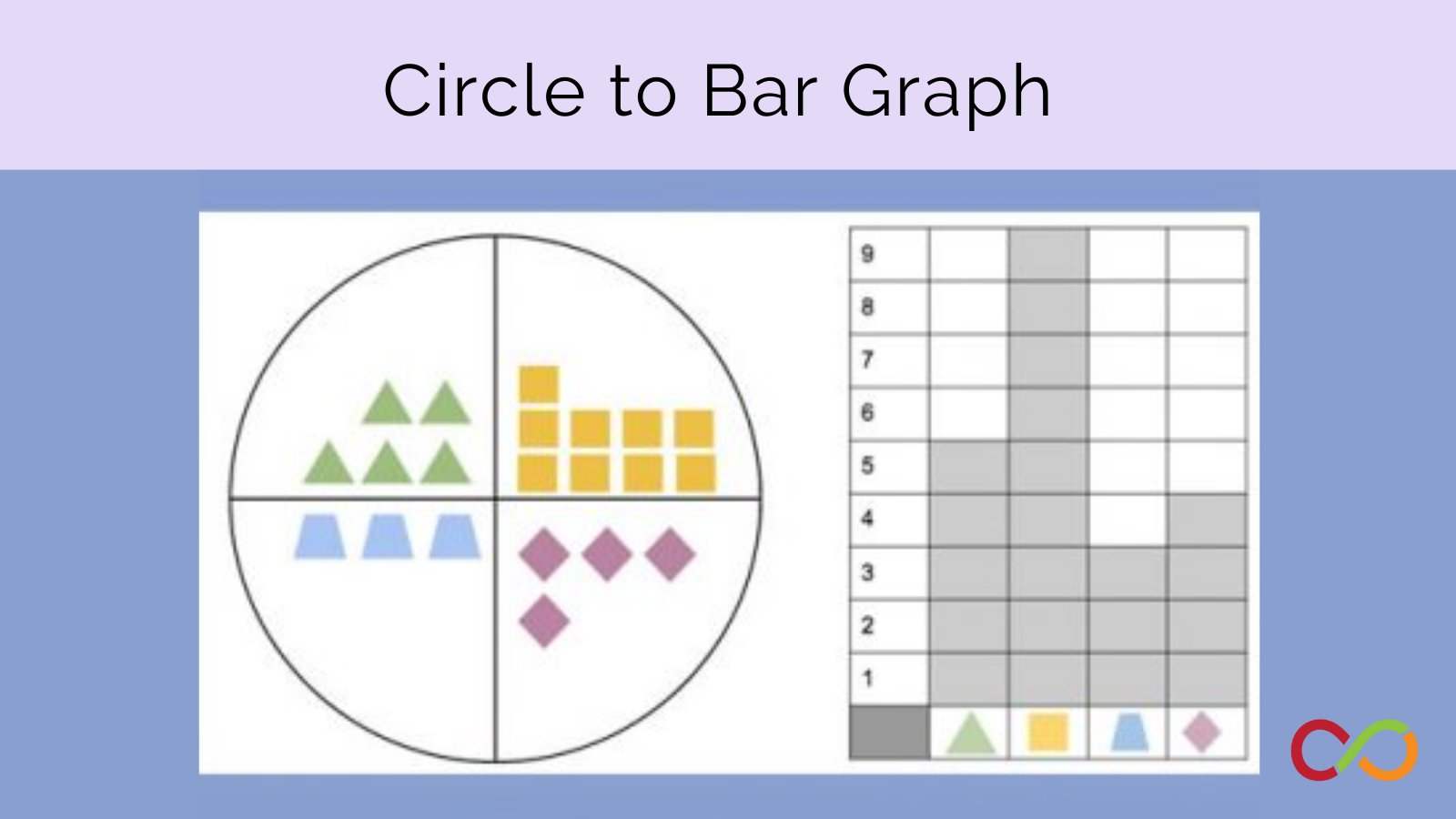
What is easier to read - a circle graph or a bar graph? Children discover the answer in this lesson. oise.utoronto.ca/robertson/less…
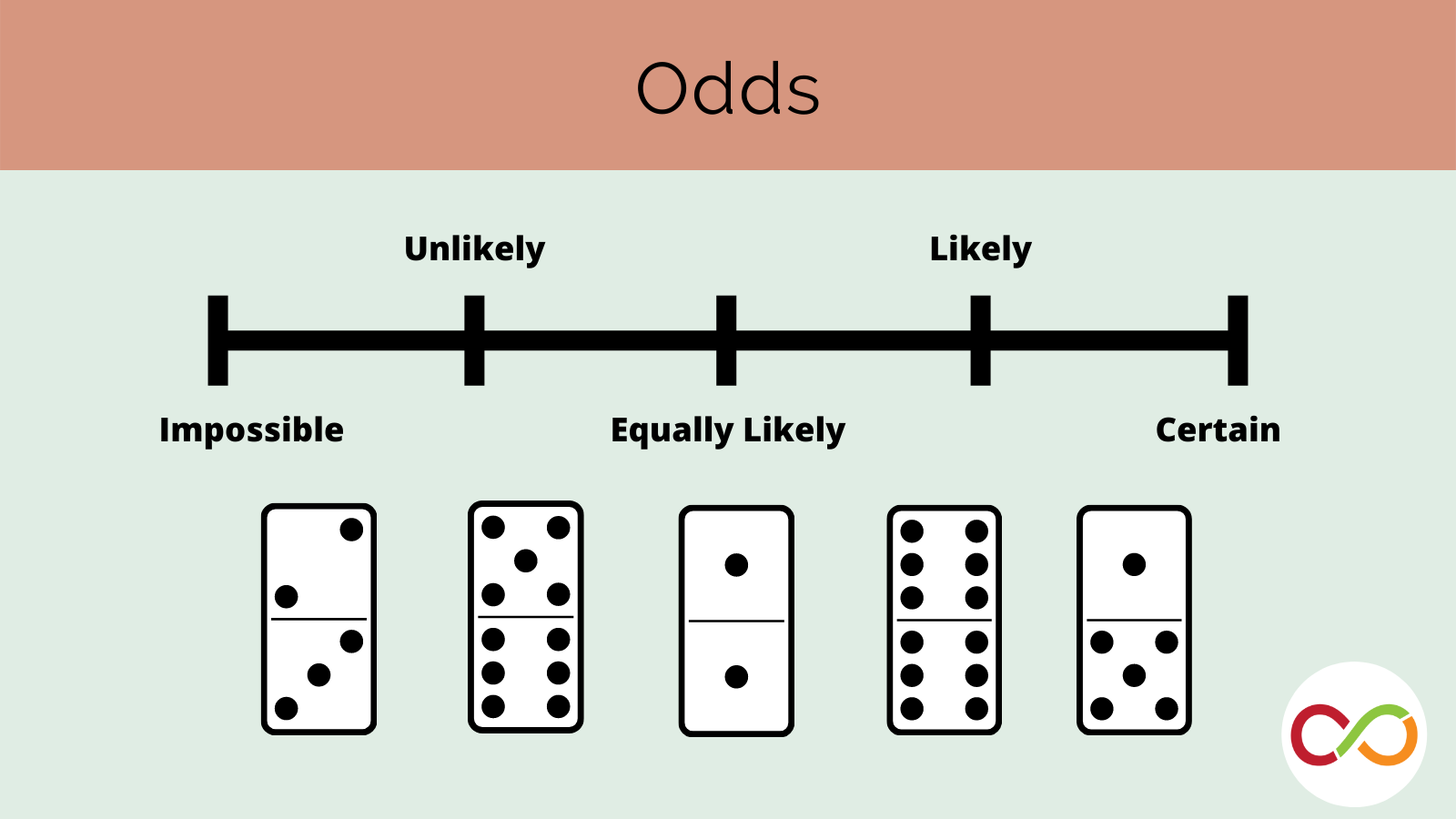
Using a probability line, students will make predictions informed by the likelihood of selecting a domino that is greater, equal, or lesser to the one in their hand. oise.utoronto.ca/robertson/less…
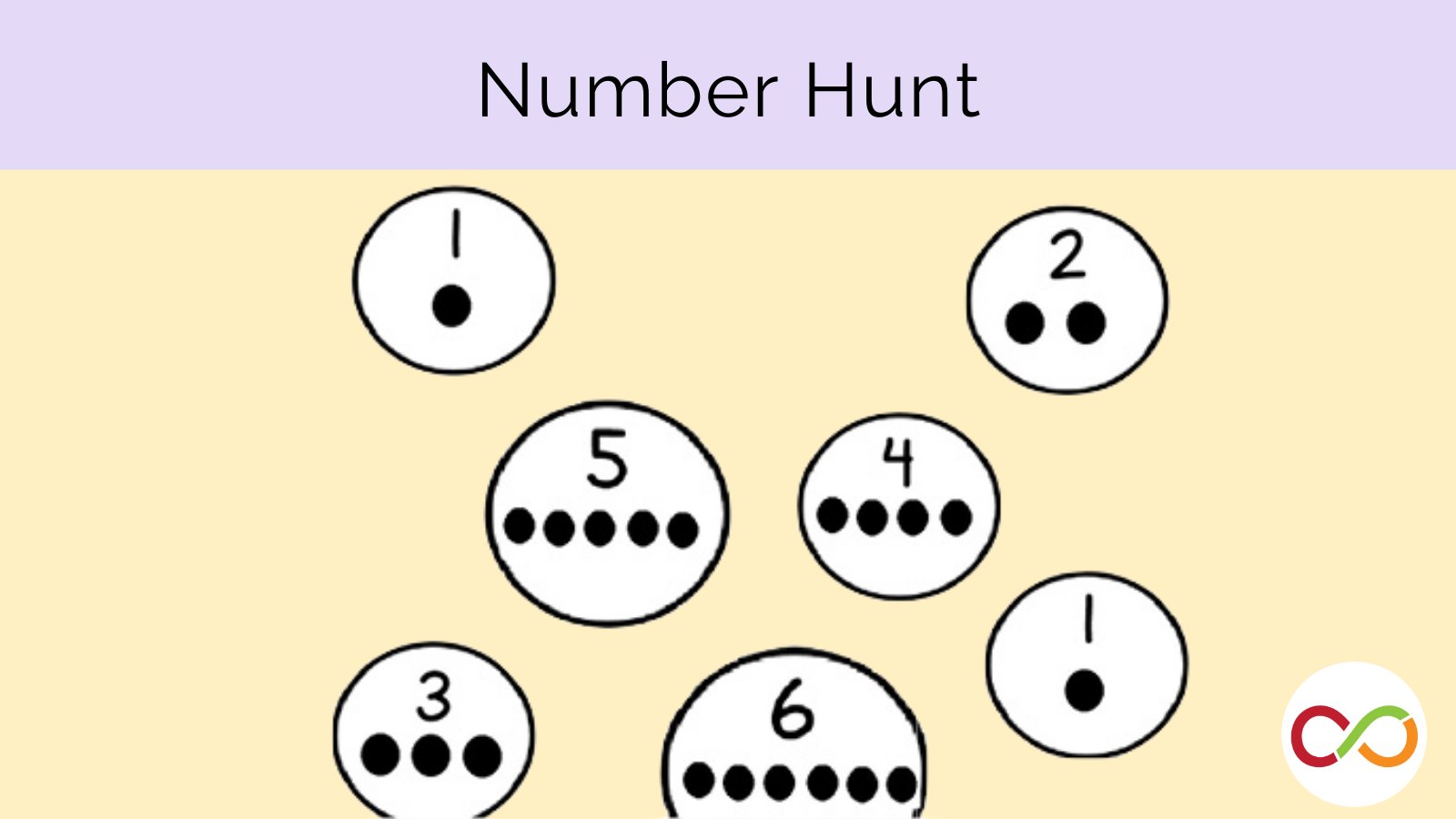
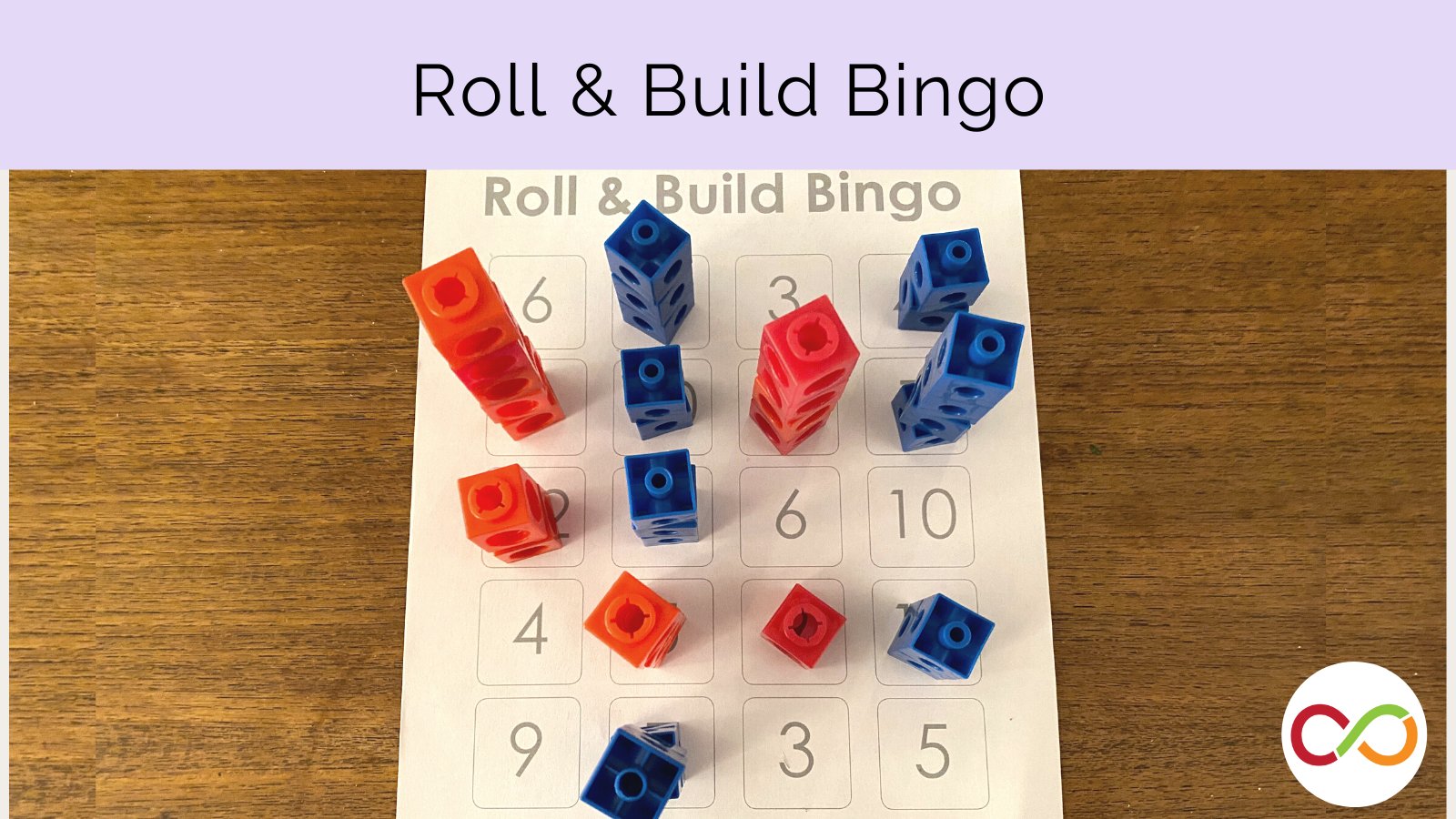
Students practice one-to-one correspondence in this fun dice-rolling, bingo-dabbing game. oise.utoronto.ca/robertson/less…
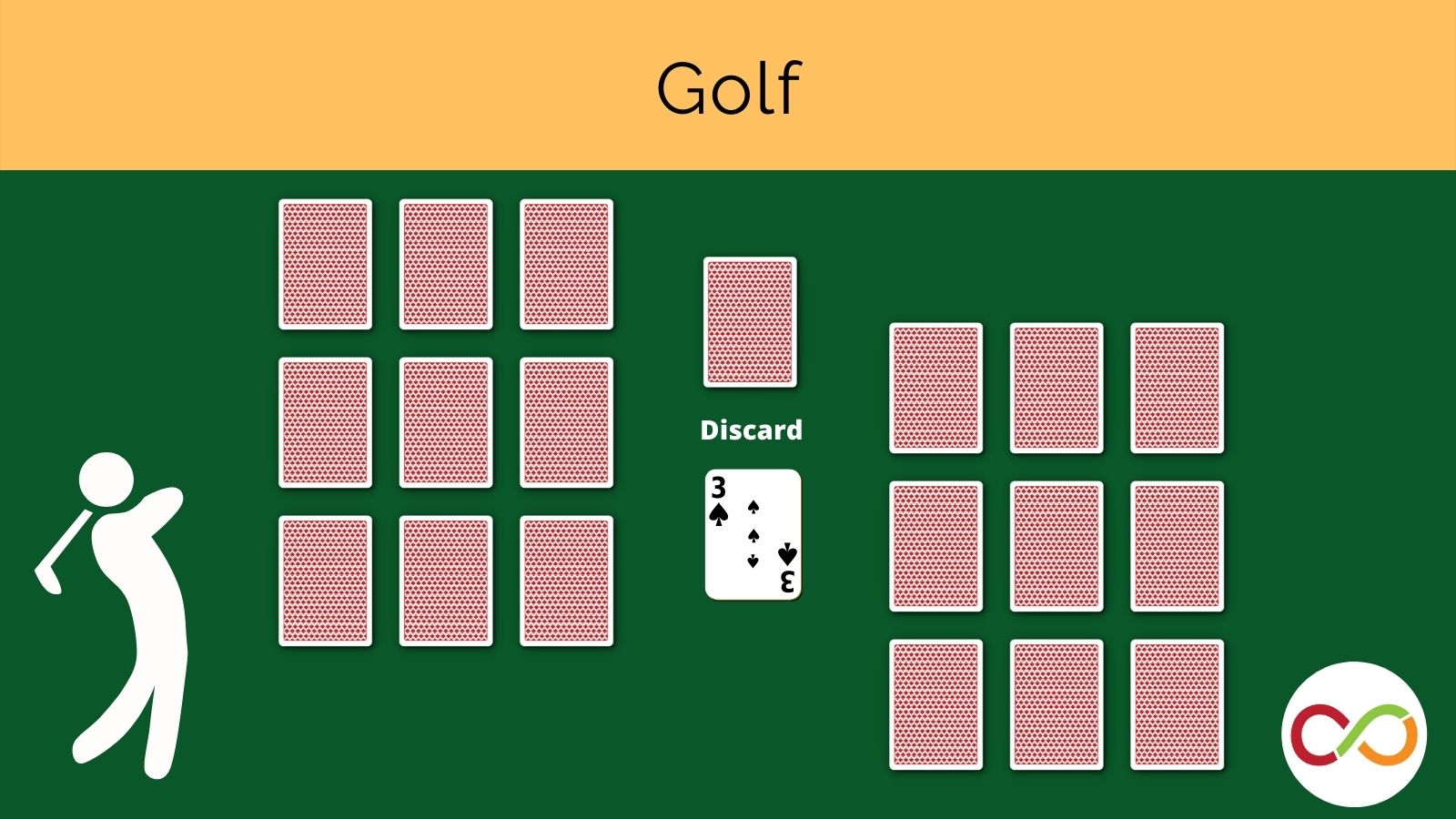
Students attempt to minimize the value of their hand in this competitive card game using addition, subtraction, multiplication and division. oise.utoronto.ca/robertson/less…
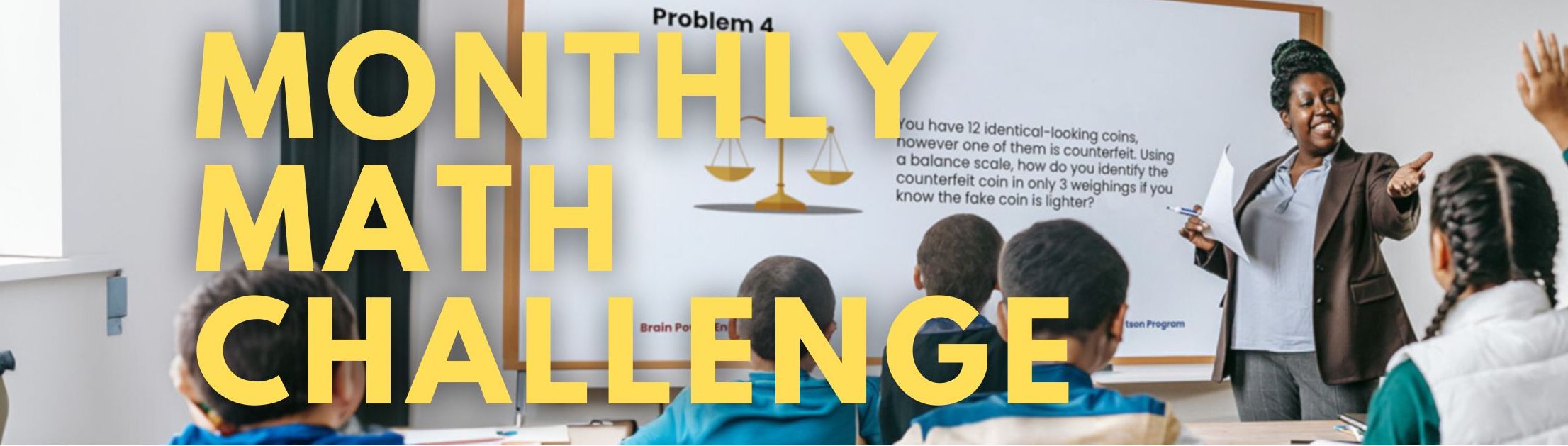
Check out our recent monthly challenge exploring patterning and order of operation word problems! oise.utoronto.ca/robertson/mont…
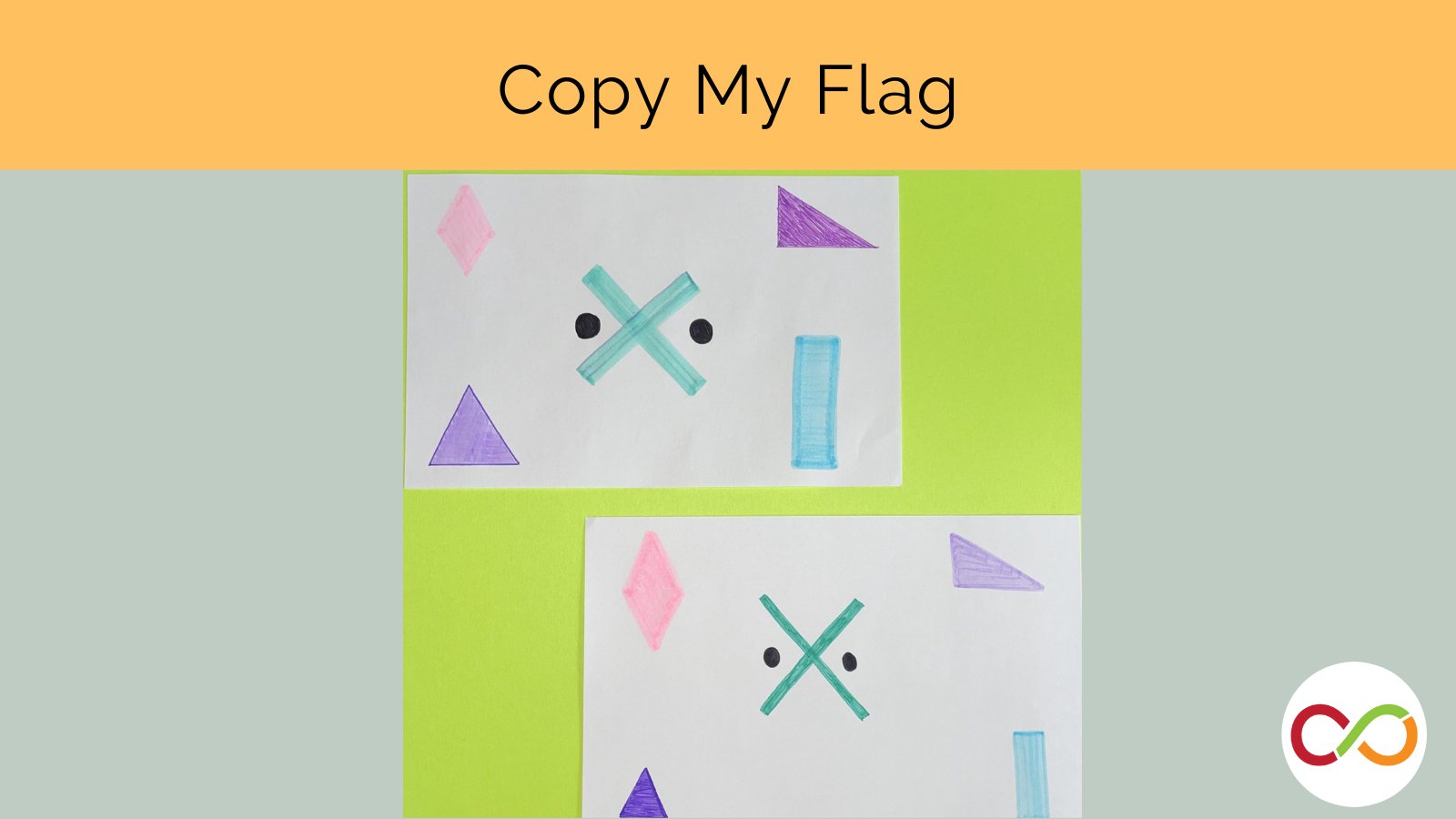
Students practice spatial language as they design and describe their geometric flags to their partner. oise.utoronto.ca/robertson/less…
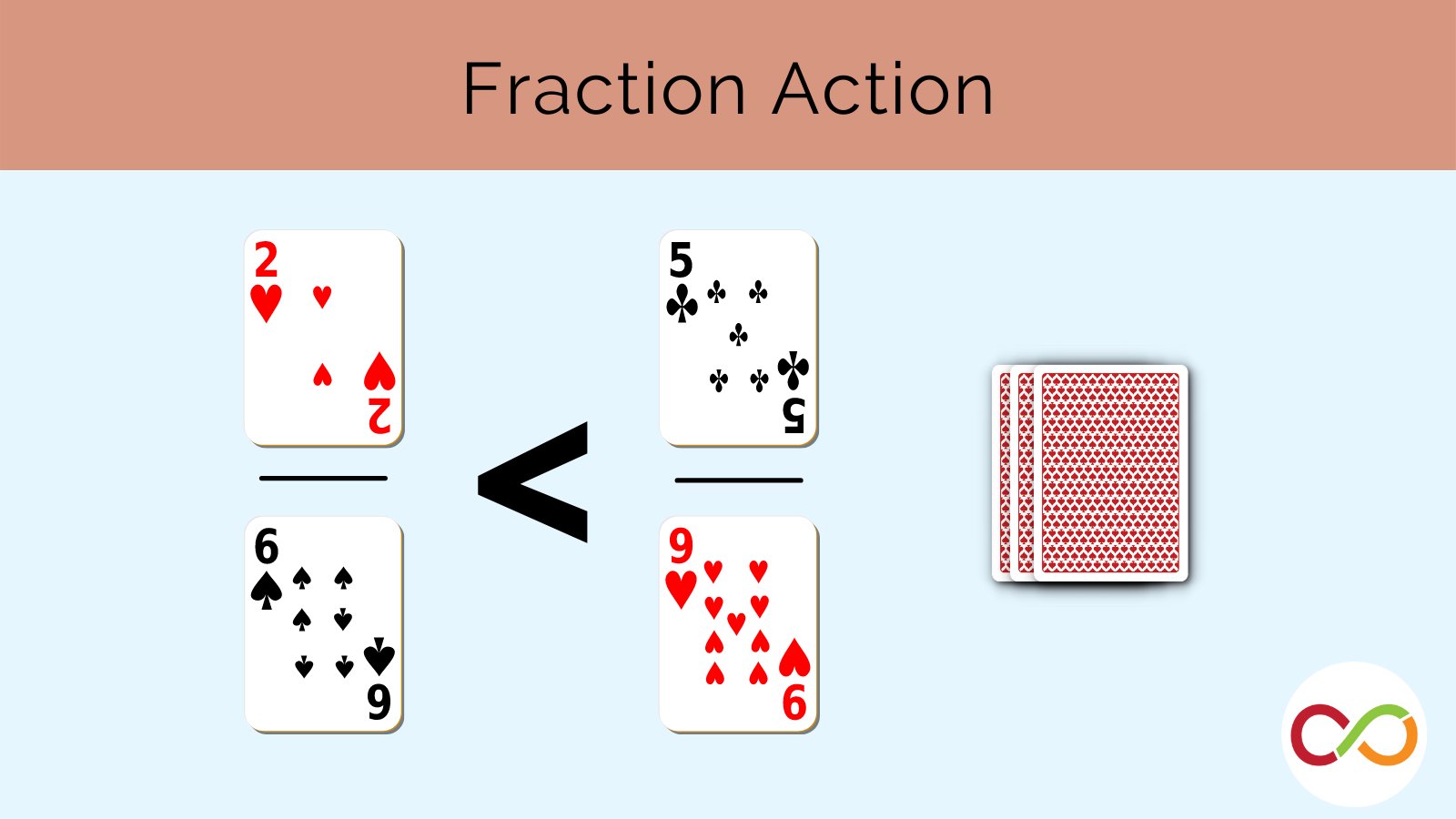
Get your students in on some fraction action as they strategically create and compare fractions. The player with the most cards is the winner! oise.utoronto.ca/robertson/less…
As an educator, has your student ever asked why they should be learning math? In this blog, we hope to inspire educators by exploring the relevance of math and introduce methods that can strengthen math teaching through a joyful approach. oise.utoronto.ca/robertson/blog…
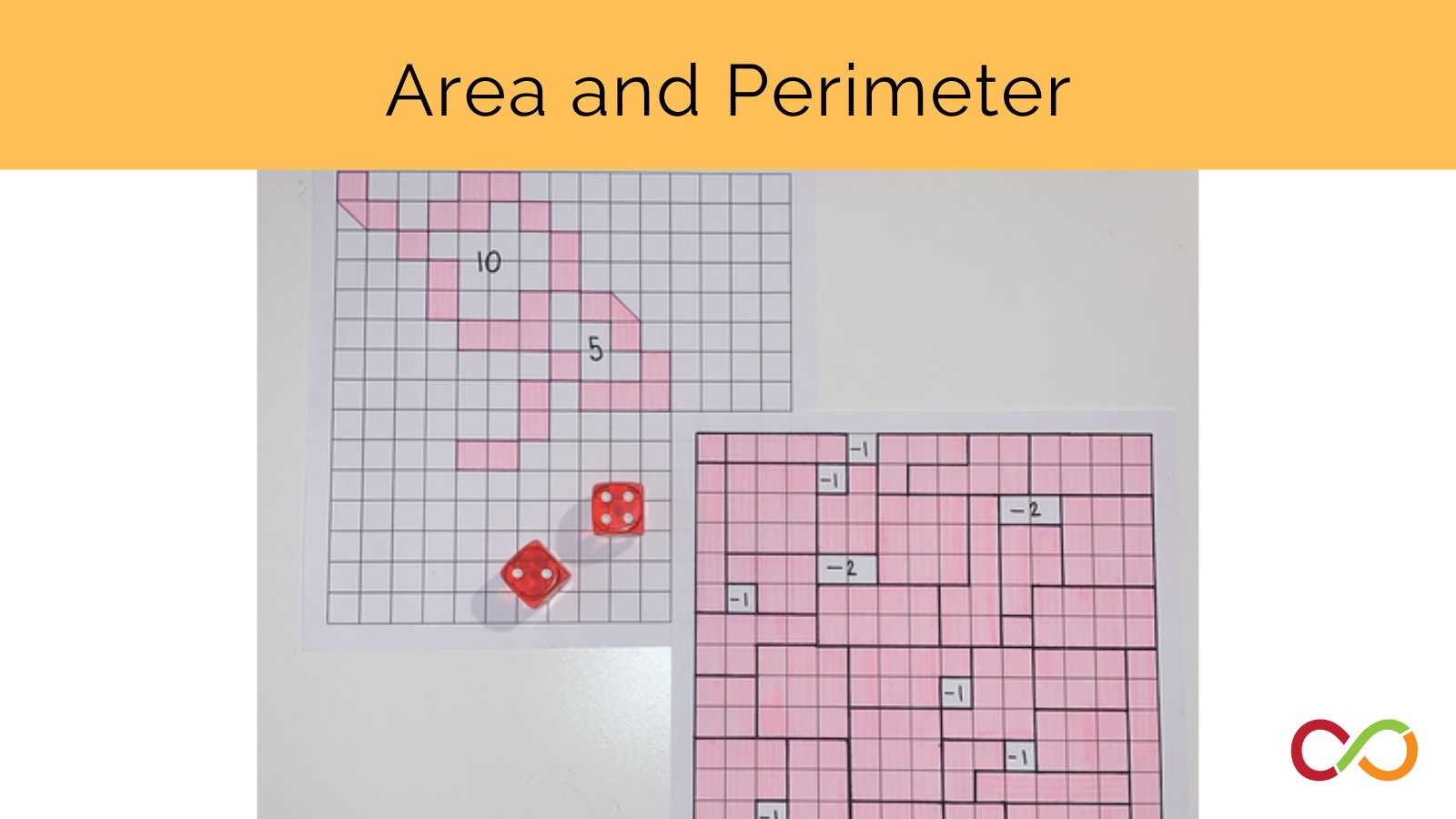
Students use the sum of two dice to create the perimeter and area of shapes on a grid. oise.utoronto.ca/robertson/less…
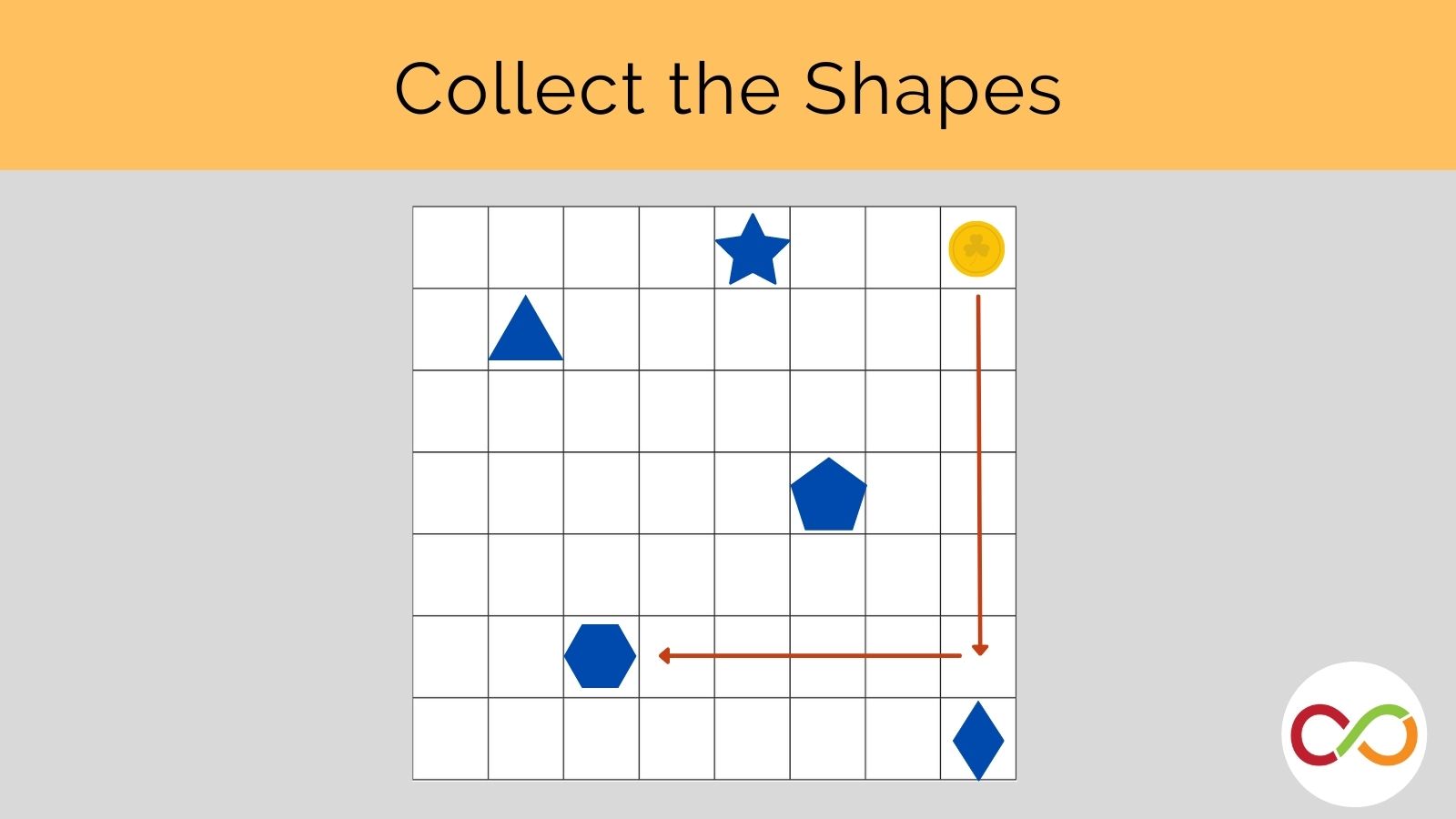
Primary students use directional language and describe the attributes of 2D shapes to identify and communicate the location of a shape on a grid. Free lesson + printables: oise.utoronto.ca/robertson/less…
Students recreate images composed of base ten blocks using base ten blocks and calculate the sum of the blocks used in this teacher led activity. oise.utoronto.ca/robertson/less…
oise.utoronto.ca
Base Ten Block Quick Image
Students recreate images composed of base ten blocks and calculate the sum of the blocks used.
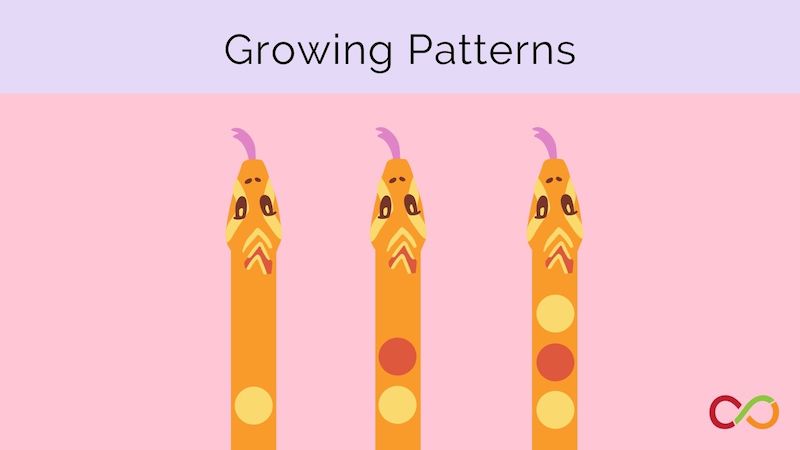
3 paper “snakes” and “magic pellets” are at the centre of this story-based, early years patterning lesson. What theories do children come up with for how many pellets each snake must eat? Do they recognize the patterns created? Free lesson + printable: oise.utoronto.ca/robertson/less…
In this activity, students practice reading and representing numbers through a fun bingo game. oise.utoronto.ca/robertson/less…
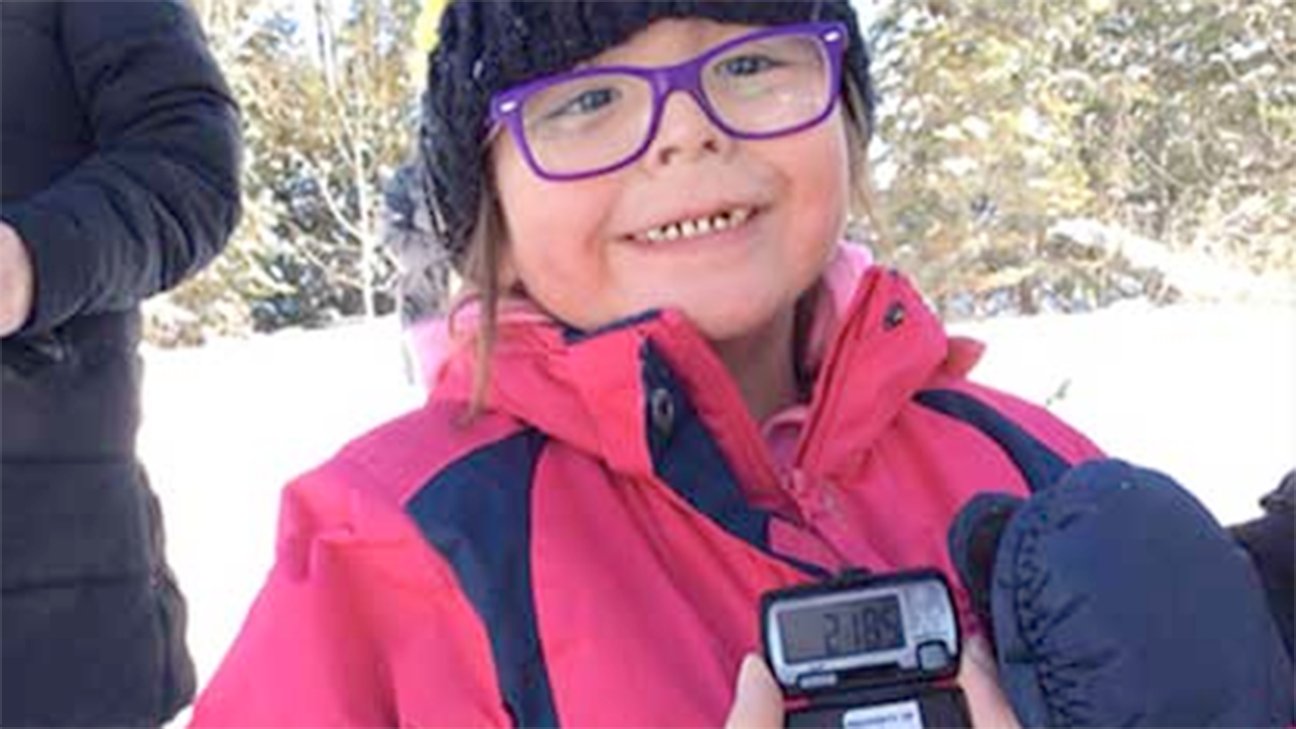
Students quantify distance by walking along a pathway from one location to another wearing pedometers. oise.utoronto.ca/robertson/less…
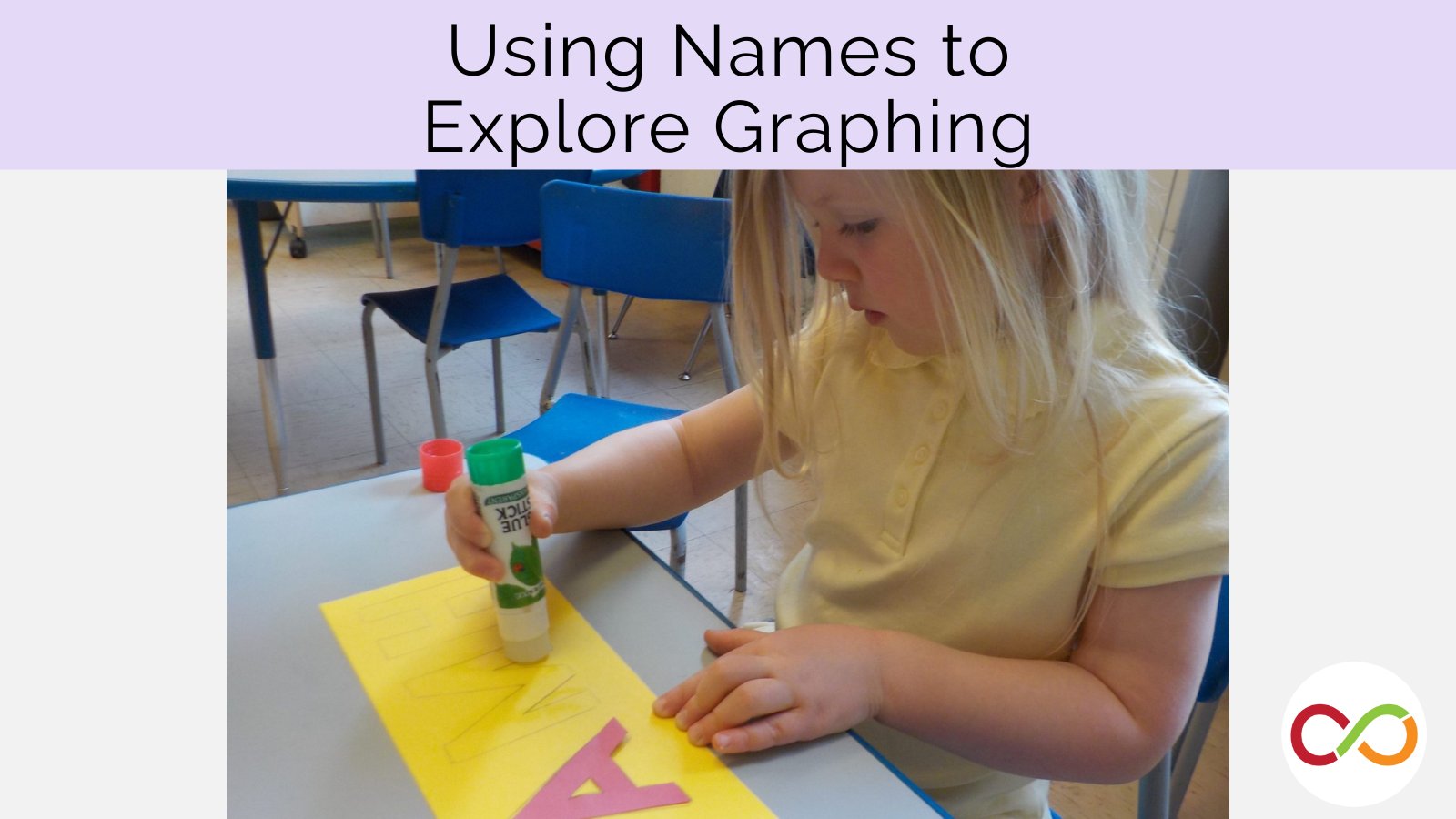
Integrate literacy and math by exploring the number of letters in each child's name .oise.utoronto.ca/robertson/less…
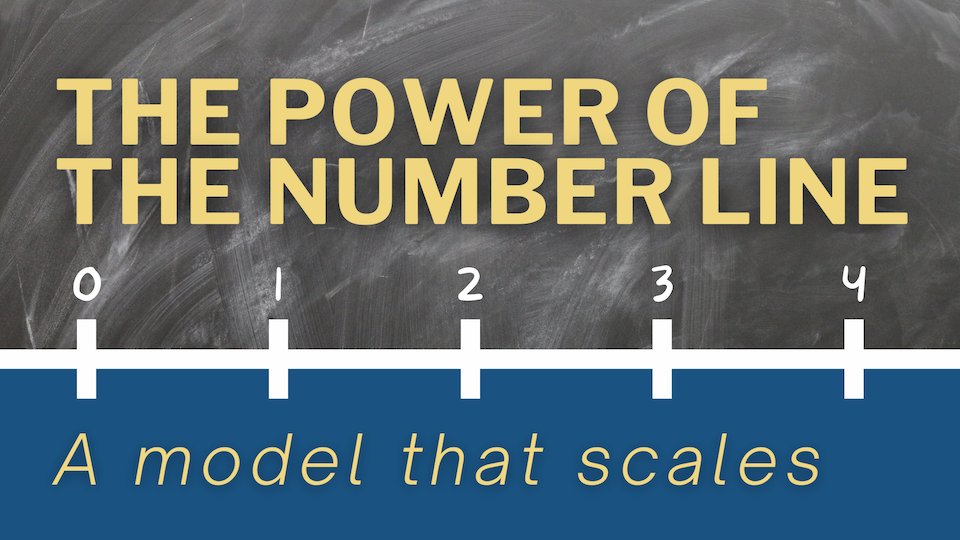
Of all the early assessments, a child’s ability to accurately map numbers onto a number line is a robust predictor of their achievement in mathematics," @oise prof Zack Hawes. Number lines support children’s understanding of ratio, proportion and scaling. oise.utoronto.ca/robertson/blog…
Get students using spatial language at the beginning of math class with this quick activity you can use over and over again. Students improve visualization and communication skills over time! Free slides with prompts in presenter's notes for teachers: oise.utoronto.ca/robertson/less…
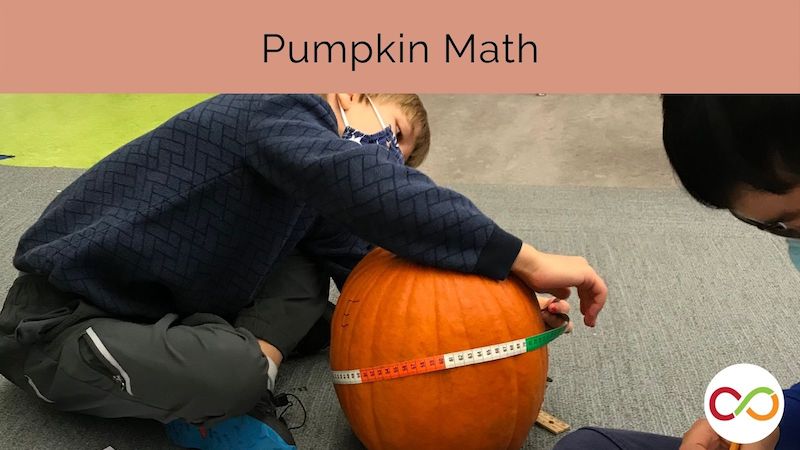
A 2-part lesson from @JackmanICS lab school that gets students practicing how to measure height, circumference & weight. Non-standard measurements pave the way for standard units. Free lesson plan w Ontario curriculum connections! oise.utoronto.ca/robertson/less… @OISEUofT #mathteacher















































































United States الاتجاهات
- 1. Kanata 18K posts
- 2. #JUPITER 98.5K posts
- 3. The BIGGЕST 484K posts
- 4. #ALLOCATION 98.4K posts
- 5. #GMMTVxTPDA2025 53.2K posts
- 6. Lakers 49.5K posts
- 7. Dillon Brooks 7,455 posts
- 8. Hololive 14.5K posts
- 9. Giants 86.8K posts
- 10. Bron 25.4K posts
- 11. Patriots 135K posts
- 12. Dart 37K posts
- 13. #WWERaw 73.3K posts
- 14. #AvatarFireAndAsh 3,316 posts
- 15. Suns 19.7K posts
- 16. STEAK 10.5K posts
- 17. Drake Maye 24.8K posts
- 18. James Cameron 5,027 posts
- 19. Collin Gillespie 2,131 posts
- 20. Pats 16.3K posts



Something went wrong.
Something went wrong.