
Tai Chaiamarit
@BioTai1
Lecturer in Physiology, Faculty of Science, Mahidol University. Doing research on neuronal stress response and neurodegeneration. Opinions are my own.
You might like


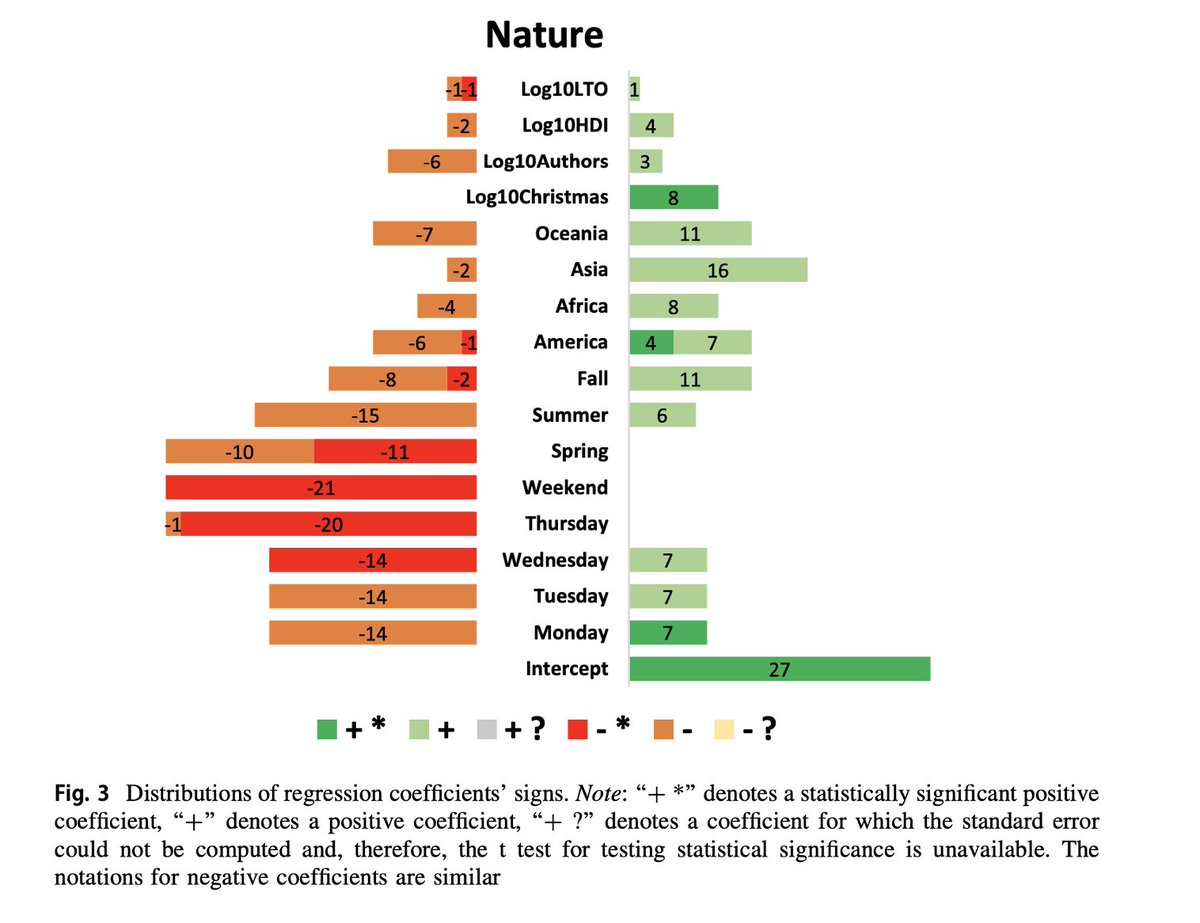
Papers submitted on Tuesdays are more likely to be accepted by Nature whereas Wednesdays seem the most likely day to submit and secure acceptance to PLOS ONE. For Cell, Mondays and Tuesdays seem the best submission days in case of accepted papers. link.springer.com/article/10.100…

Incredible news in medicine! New treatment for one of the cruellest neurodegenerative conditions - Huntington’s Disease - has resulted in 75% slowing down of disease progression, allowing patients to go back to work and potentially gain decades of life 🙏 bbc.co.uk/news/articles/…


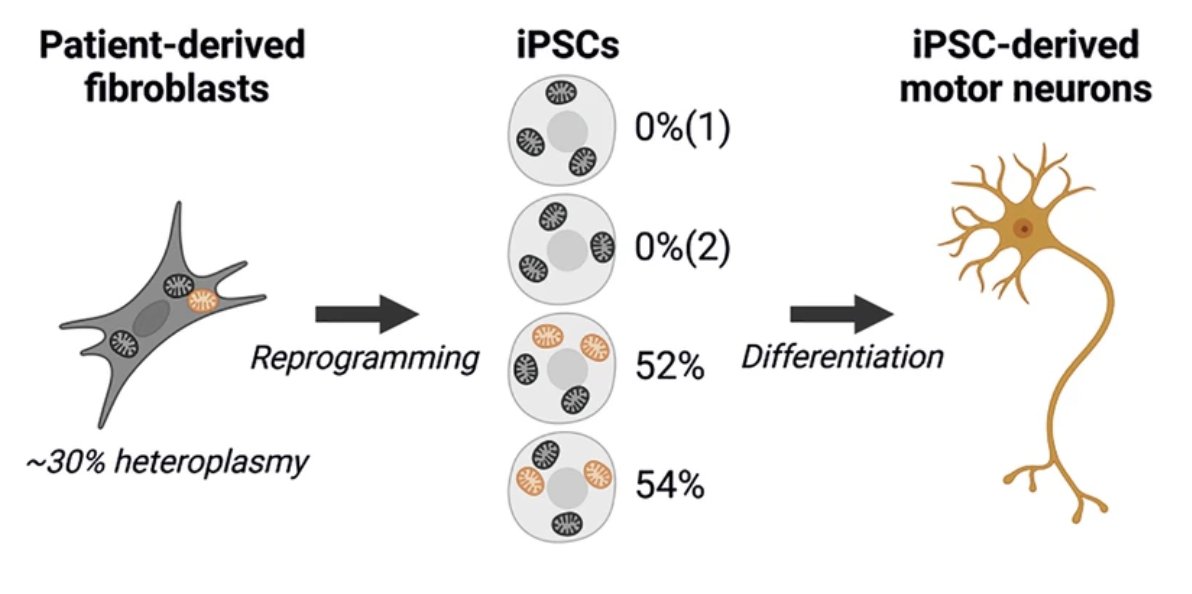
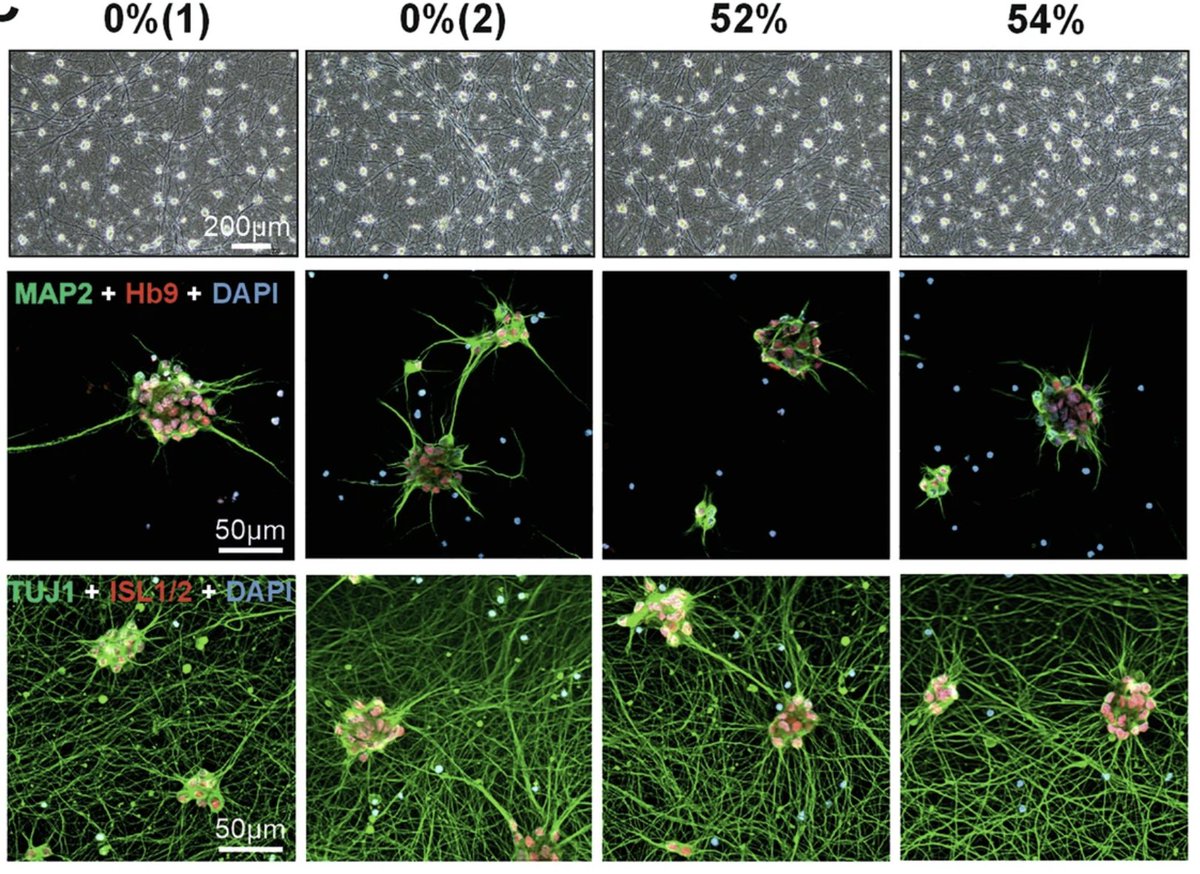
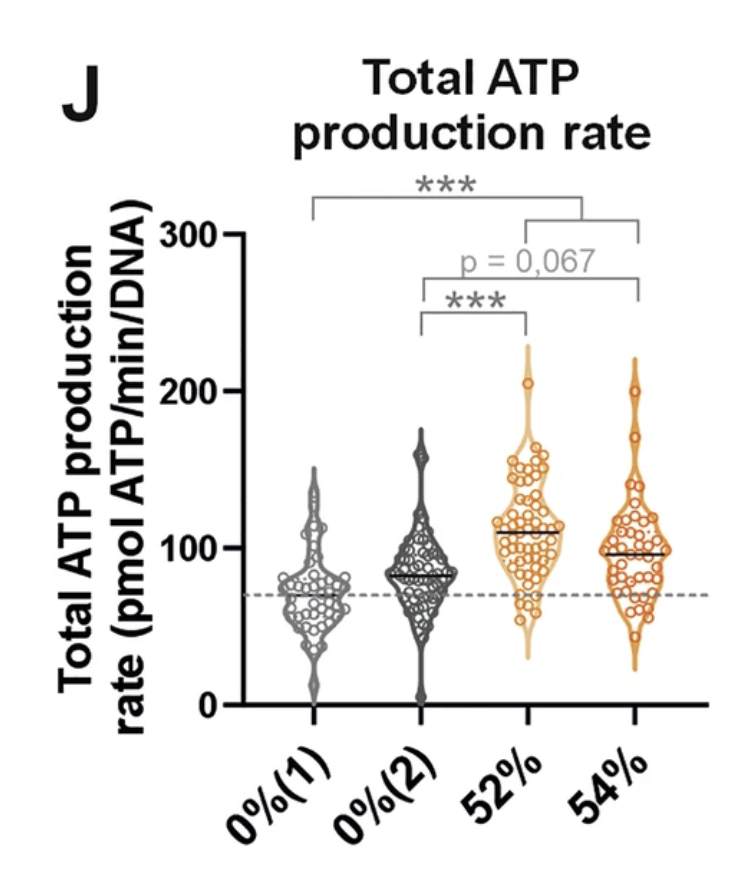
Neurons with mtDNA mutations are hypermetabolic: they burn ~35% more energy than cells with normal mitochondria. Mitochondrial defects decrease cellular energy efficiency, increasing the cost of living. Beautiful new paper by @HTyynismaa and team. nature.com/articles/s4200…
Circulating proteins in the blood contain *information* about the age of our organs. nature.com/articles/s4358…


Online Now! Reversing lysosomal dysfunction restores youthful state in aged hematopoietic stem cells dlvr.it/TPRWSQ #stemcells


Pressure to publish jumps. And researchers have no time to do science. (New survey from Elsevier) Survey of 3200 researchers: 1. Only 45% of scientists have sufficient time for actual research. 2. For 68%, the pressure to publish today is greater than 2-3 years ago. 3. 29% of…


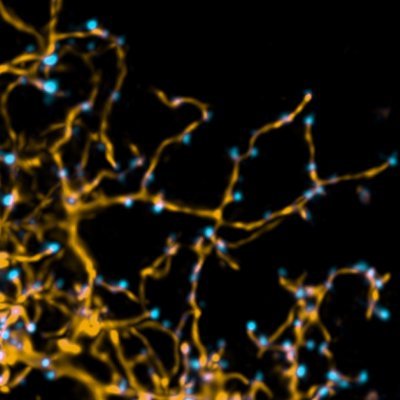
🧠 65-Hour Live Imaging: Hippocampal Neurons Building Circuits Real-time dendritic growth & synaptic remodeling in the rat hippocampus; important to memory & plasticity. 🔬 Continuous multi-day view of neural adaptation. Credit: Louis Romet & Dr. C. Leterrier

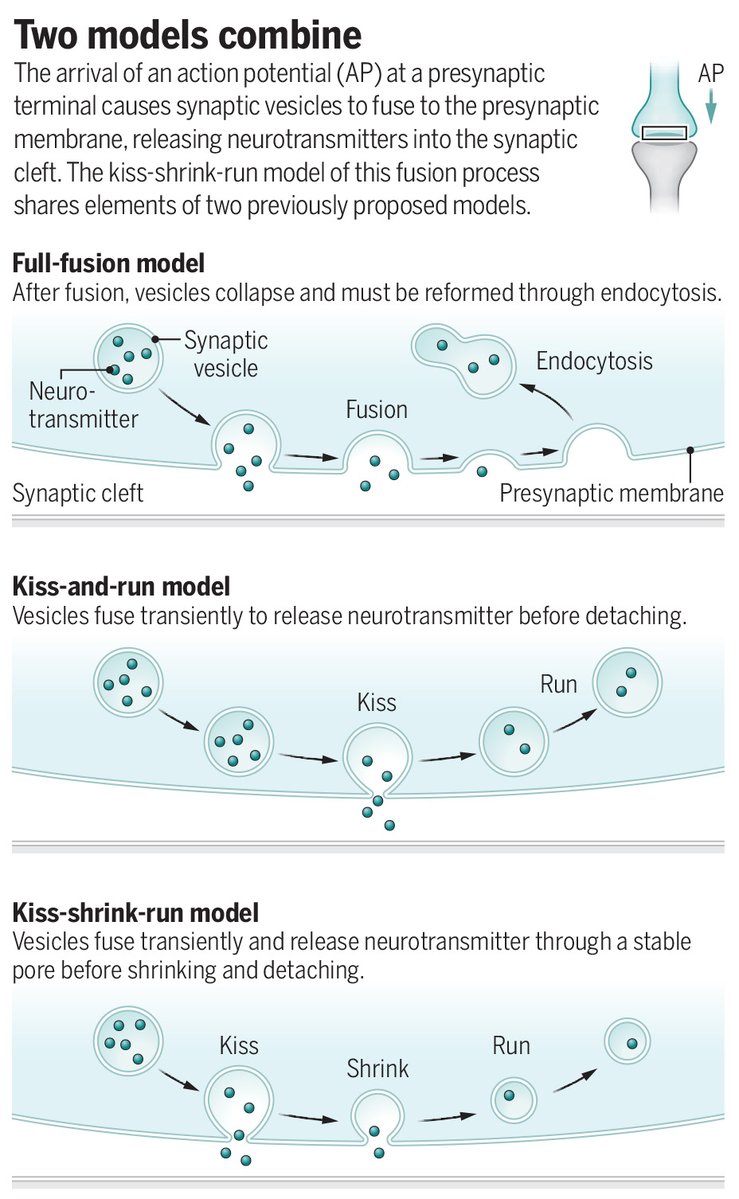
Neurons transmit signals through synaptic vesicle release, but the nanoscale dynamics of this process have been unclear. In a new Science study, researchers report using time-resolved cryo–electron tomography to visualize synaptic vesicle dynamics in situ and propose a unified…

Our RAEFISH spatial transcriptomics technology is now published in Cell @CellCellPress! RAEFISH enables sequencing-free whole genome spatial transcriptomics at single molecule resolution. This work represents the first time that transcripts from more than 23,000 genes were…


We reassessed the @TheLancet 14 dementia risk factors and added poverty, wealth shocks, income inequality, & HIV. This provides a larger estimation of preventable dementia & exposes gender inequities with larger burdens in women. Out in @eBioMedicine bit.ly/4nU30fU.…


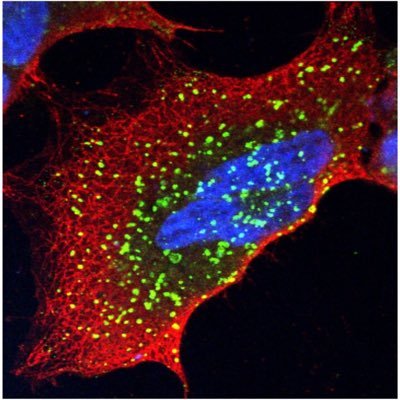
Klein and Overholtzer @mskcancercenter discuss new findings from the Deretic group (@duque_thabata et al. hubs.la/Q03JDppD0) showing ATG16L, a regulator of lysosomal stress responses, has a day job regulating the v-ATPase. hubs.la/Q03JDrSM0


A rare genetic variant confers resistance to neurodegeneration across multiple neurological disorders by augmenting selective autophagy: Neuron cell.com/neuron/fulltex…



The fate of mitochondrial respiratory complexes in aging: Trends in Cell Biology cell.com/trends/cell-bi…

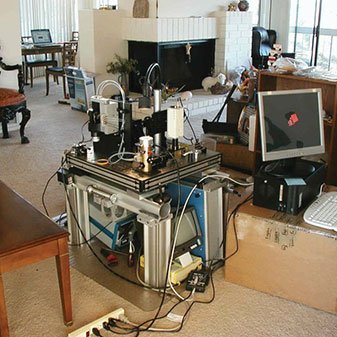
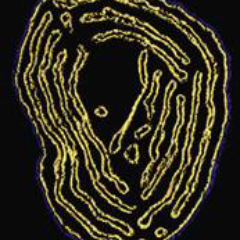
Apoptotic vesicle release from a cell as it gives up the ghost under oxidative stress, as seen by MOSAIC lattice light sheet mode.
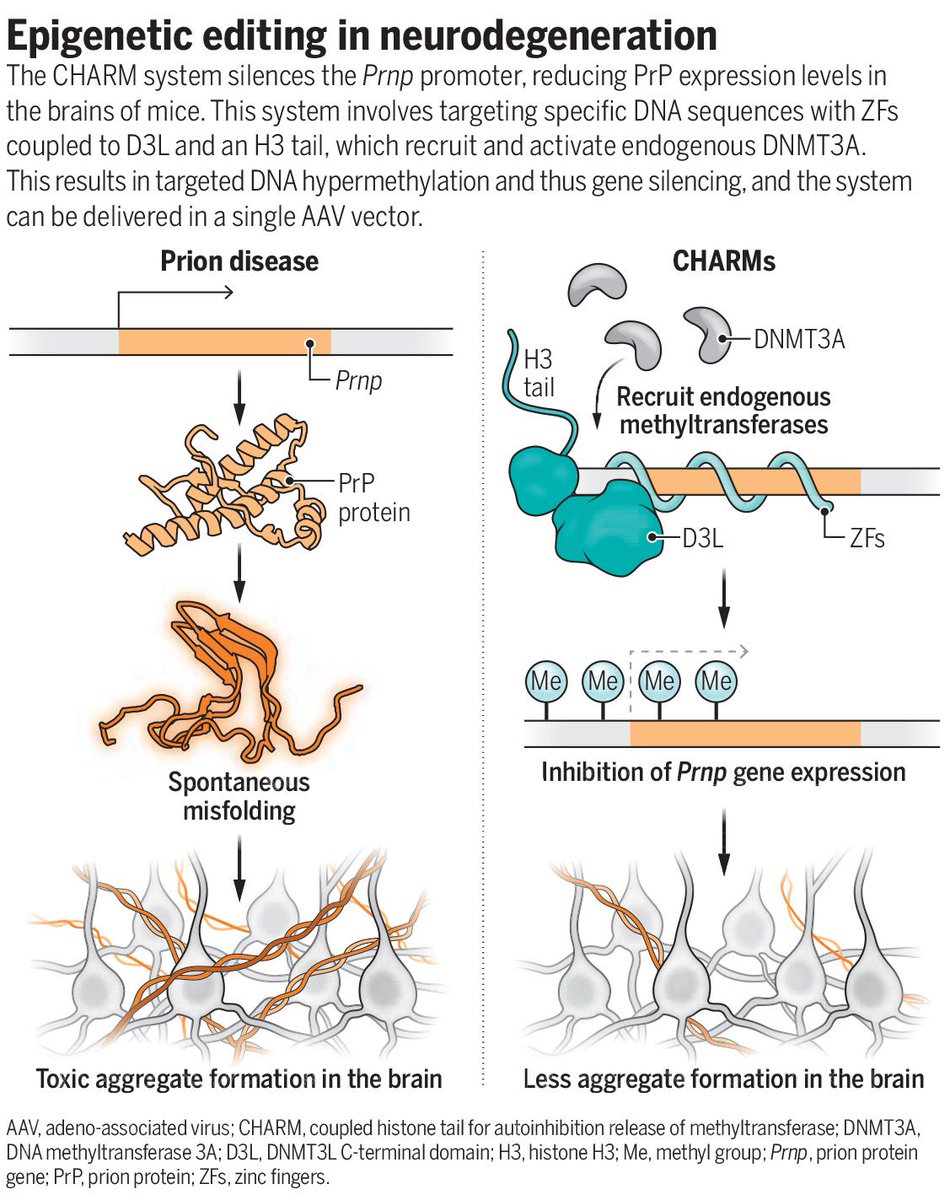
In a Science study last year in mice, researchers introduced CHARM, a compact and versatile epigenetic editor that can be used to silence prion protein throughout the brain. Learn more in this #SciencePerspective: scim.ag/3IBm0jz


I’m excited, relieved, and honored to announce that my paper describing non-canonical mitotic mechanisms in the early mouse embryo is out in @ScienceMagazine ! (link at end of 🧵)

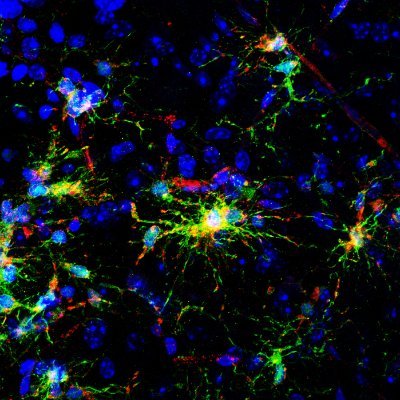
Big News: Thrilled to share that my latest PhD work is now published in @Nature. We identify PLA2G15 as the lysosomal BMP hydrolase and show that blocking it improves outcomes in a severe neurodegenerative disease model. Read the article here tinyurl.com/3b9zt5fw (1/7)




























































United States Trends
- 1. #WWERaw N/A
- 2. Arizona N/A
- 3. Bovino N/A
- 4. Tony Padilla N/A
- 5. Finn N/A
- 6. Brayden Burries N/A
- 7. Jrue N/A
- 8. Rob Wright N/A
- 9. El Centro N/A
- 10. #TheRookie N/A
- 11. Jaxson Hayes N/A
- 12. Homan N/A
- 13. Jaden Bradley N/A
- 14. Punk N/A
- 15. Zverev N/A
- 16. Maple Grove N/A
- 17. Learner Tien N/A
- 18. Schwartz N/A
- 19. #RawOnNetflix N/A
- 20. Dybantsa N/A


Something went wrong.
Something went wrong.